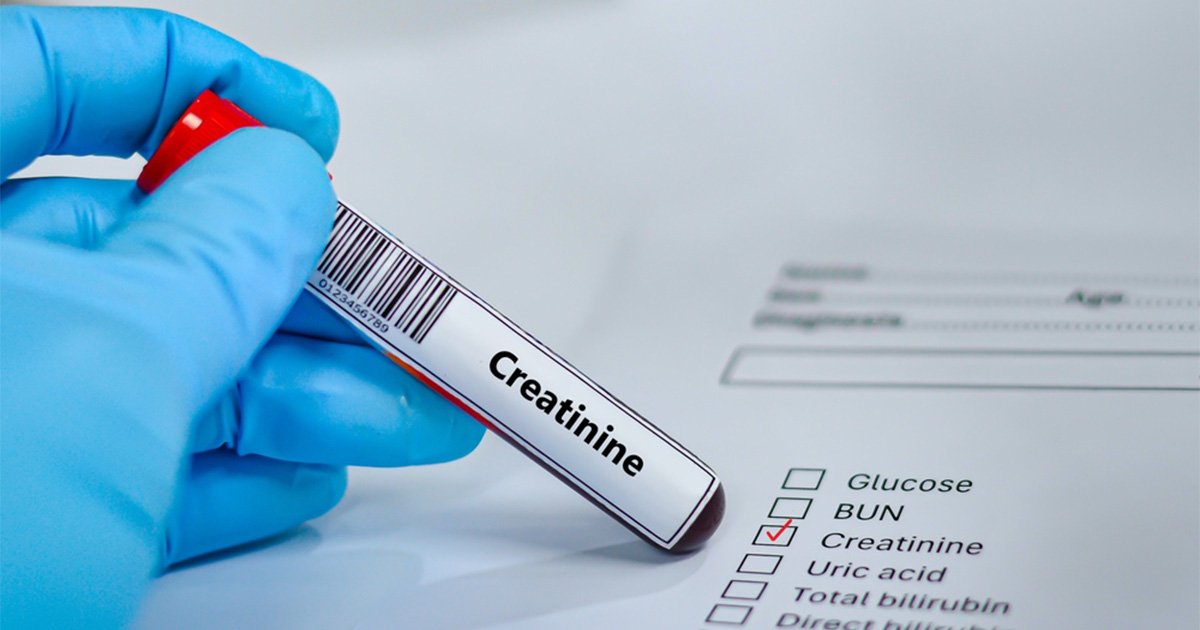
Creatinine Test: Importance, Types & Normal Levels
When something goes wrong in our body, doctors recommend some tests to find out the exact problem. From these tests, they can understand what is really causing the issue. Similarly, a creatinine test is also one such blood test that checks how well your kidneys are working.
A creatinine test is a simple blood test that checks how well your kidneys are filtering waste. It helps detect kidney disease early and monitor conditions like diabetes or hypertension
What Is Creatinine?
Let's first understand the term creatinine. What does it mean?
Creatinine is a waste product that forms in your body when your muscles use energy. It is a chemical that is made from creatine. Your kidneys filter creatinine from your blood and then remove it from the body in the form of urine.
Why Is The Creatinine Test Important?
The creatinine test is an important test because it helps to detect kidney problems early. Creatinine can build up in your blood if the kidneys are not working properly. This is because the kidneys remove creatinine and other waste products from your blood.
High creatinine levels in your blood can be a sign that your kidneys are not performing their filtration process efficiently. This test helps doctors find out the kidney problems before they get worse. If you are a person with diabetes, high blood pressure or other health conditions that can affect your kidneys, then you must get regular tests and check renal dosage guidelines. These can be beneficial in monitoring the kidney function in your body.
Normal Creatinine Levels
According to Medicalnewstoday, average creatinine levels can vary depending on a person’s age, gender, and muscle mass. However, normal ranges are 0.7 to 1.2 milligrams per deciliter (mg/dL) for males and 0.5 to 1.0 for females.
Causes Of High and Low Creatinine Levels
High creatinine levels can be due to kidney disease, dehydration, or a blockage in the urinary tract. It can also increase temporarily after exercise.
Similarly, low creatinine levels may indicate low muscle mass, poor nutrition, pregnancy or certain health conditions like muscle-wasting diseases that can reduce muscle activity.
Types of Creatinine Tests and How They Are Done
There are various tests for creatinine, which are as follows
Serum creatinine test
- Creatinine clearance test
- Urine creatinine test
Serum Creatinine Test(Blood Test) :
It is a blood test that measures the amount of creatinine in your blood. It is often used to calculate the eGFR(estimated glomerular filtration rate). Its purpose is to check the kidneys' function, whether they are filtering wastes properly or not. It is the most common and simplest test to check kidney function. A small blood sample is taken from a vein, usually in your arm. The sample is sent to a lab to measure creatinine levels and assess kidney function.
Creatinine Clearance Test (Blood + Urine Test) :
It is a simple but slightly time-consuming test. This test checks how well your kidneys filter and remove creatinine from your blood. It requires two samples, one of your urine and one of your blood.
In this test, you will need to collect all your urine for 24 hours and then have a small blood sample taken from your body. The lab uses both results to see how efficiently your kidneys are filtering waste (eGFR).
Before the test, your doctor may also advise you to avoid meat, drink a normal amount of water and inform them about any medications you are taking. Also, avoid creatinine supplements as they can affect results. This test gives a more accurate measure of kidney filtration ability than a blood test alone.
Urine Creatinine Test (Spot Urine Test) :
This test uses a single urine sample to check the amount of creatinine in your urine. It helps your doctor to see if your kidneys are excreting creatinine normally. This test is often done along with other urine tests, like the urine albumin test. It helps detect early signs of kidney damage or other kidney problems.
Creatinine-Related Tests: eGFR & uACR
eGFR(estimated glomerular filtration rate)
The eGFR test estimates how well your kidneys are filtering waste from your blood. This value cannot be measured directly; instead, it is calculated using your blood creatinine level, age, gender, and sometimes race. The result shows how many millilitres of blood your kidneys clean per minute. Depending on the value, A low eGFR can be a sign of early or advanced kidney disease.
uACR( Urine Albumin-to-Creatinine Ratio)
The uACR test checks your urine for albumin(a type of protein) and then compares it to the amount of creatinine. Normally, little or no protein is found in urine; therefore, a higher uACR means your kidneys may be leaking protein. This test can detect early kidney damage, which is especially important for people with diabetes or high blood pressure, as it can reveal kidney problems even before blood creatinine levels rise.
The first three tests, such as the serum creatinine test, the creatinine clearance test, and the urine creatinine test, directly measure the creatinine. On the other hand, eGFR and uACR tests use creatinine values to evaluate the overall kidney health and detect early kidney damage.
When To Get Tested
If you experience any symptoms like fatigue, swelling in the legs, changes in urine or nausea, then you should get tested. People with chronic conditions such as hypertension or diabetes should also get regular creatinine tests to monitor their kidney health.
Conclusion
Regular creatinine testing, along with related tests like eGFR and uACR, helps monitor kidney health and detect problems early. Tracking your kidney function allows timely action to prevent complications and maintain overall well-being. If results are abnormal, consult your doctor promptly for proper diagnosis.
Frequently Asked Questions
Q1: What is a normal creatinine level in the blood?
Normal creatinine levels are usually 0.7–1.2 mg/dL for men and 0.5–1.0 mg/dL for women. Levels outside this range may indicate kidney issues.
Q2: What causes high creatinine levels?
High creatinine can result from kidney disease, dehydration, urinary blockages, intense exercise, or certain medications.
Q3: How is a creatinine test done?
There are a few ways to test creatinine. The most common is a blood test (serum creatinine). There’s also a creatinine clearance test, which combines blood and a 24-hour urine sample, and a urine creatinine test, which uses a single urine sample. Your doctor will tell you which one you need.
Q4: What does a high creatinine level mean for the kidneys?
High creatinine usually signals reduced kidney filtration, indicating potential early or advanced kidney problems.
Q5: How often should I get my creatinine levels checked?
If you have diabetes, high blood pressure, or other conditions affecting your kidneys, regular testing is important, often once or twice a year. Even if you feel healthy, testing can catch kidney problems early, before serious symptoms appear.









