Cost, ROI, and Campaign Planning: Breaking Down the Economics of Auto Rickshaw Advertising
By Riya 31-10-2025 30
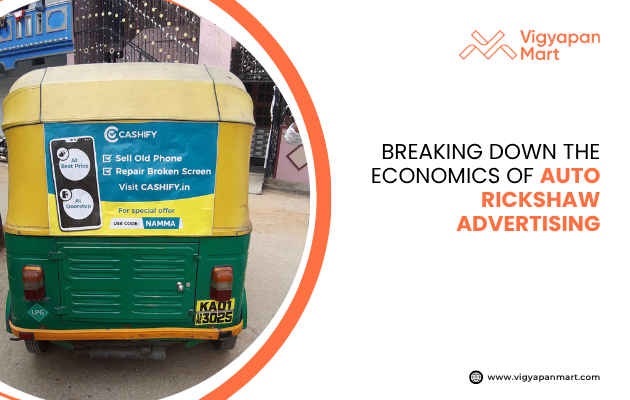
Auto rickshaw advertising is one of India’s smartest and most affordable ways for a brand to gain attention from the local people. However, if executed smartly, one auto ad can go viral in a single day and get thousands of impressions from the internet. They are like moving billboards that put brands right in the middle of daily life. From beauty startups to food delivery giants, all sizes of brands are choosing auto rickshaw advertising to take their message directly to customers.
What Is Auto Rickshaw Advertising?
Auto rickshaw advertising uses India’s popular three-wheeler vehicles as moving billboards. Brands place ads on the hood, sides, back panel, or even inside the auto. This makes their message visible to all people passing through. This means thousands of riders, drivers, and pedestrians see your ads every day.
These ads on three-wheelers offer their high visibility and unmatched local reach, but that’s not all! The modern auto rickshaw advertising uses digital screens, QR codes, and GPS tracking, making the ads smarter and interactive for the viewers. In a survey, 74% of people remembered products seen on autos, and many recalled the brand even months later, showing the strong impact and recall power of the auto rickshaw advertising.
But the biggest advantage? Autos go everywhere- main roads, narrow lanes, office districts, markets, and residential neighborhoods. These are places where big billboards can’t reach.
Why Brands Choose Autos in 2025?
- Massive audience: Over 1 million autos operate in India’s cities and towns.
- Affordable rates: These ads are of lower cost than billboards, buses, or digital ads.
- Hyperlocal impact: Autos reach people in areas where bigger ads can’t physically go.
- Long engagement: Each ride lasts 15-20 minutes, giving riders and other road users plenty of time to see and remember the ad.
What’s New? 2025 Trends in Auto Advertising
Brands in 2025 are making rickshaw ads smarter and greener:
- Digital screens: Some autos now have LED displays showing rotating ads.
- QR codes: QR codes let the viewers scan a code to unlock offers, discounts, or even start WhatsApp chats with the brand.
- GPS targeting: GPS technology helps advertisers track which areas autos visit most. They can ensure that their ads are reaching the right neighborhoods.
- Sustainability: Electric rickshaws (e-rickshaws) are rising in popularity, offering brands promote their green agenda.
Types of Auto Rickshaw Ads
- Hood branding: wraps the whole outer cover. Such ads are most visible from all sides.
- Back panel: covers the back side of the auto. These are great for traffic visibility.
- Side stickers: Less expensive, but targeted toward pedestrians and passing traffic.
- Interior branding: Posters, seat covers, or QR cards aimed at passengers.
What Does It Cost? Pricing of Auto Rickshaw Ads in 2025
The costs for an auto rickshaw advertising campaign depend on city size, ad type, number of vehicles, and campaign length. Here’s a breakdown:
Note:
- Custom designs and high-quality materials cost extra (typically ₹200-600 per vehicle upfront).
- Bulk bookings and long campaigns can offer discounts.
- E-rickshaw branding is offered at similar or slightly higher rates, with an added “eco-friendly” appeal.
What’s the ROI? Is It Worth It?
Auto rickshaw advertising gets a strong return on investment (ROI) for several reasons:
- Cost per Impression (CPM) is much lower than other out-of-home channels.
- Each auto can make 50–100 trips daily, traveling 60–100 km and passing thousands of people.
- Studies show 60-80% recall rates. People tend to remember what they see every day in familiar neighborhoods.
- Many small businesses see a lift in footfalls and direct customer inquiries within the first 1–2 months.
- Brands can digitally track QR codes and offers to measure response.
Planning an Auto Rickshaw Ad Campaign: Step-by-Step Guide
Launching an auto rickshaw advertising campaign isn’t rocket science. Though you must do heavy research and set goals, making the ads highly engaging & result-oriented. Here’s the simplified, actionable process from start to finish for you:
Define Your Target Audience
Decide who you want to reach, such as students, office workers, shoppers, local families, etc. Best would be creating a simple and ideal customer persona with metrics like age, gender, income, location, and habits.
Choose Key Routes and Areas
Think about where your audience actually goes. Consider places like schools, colleges, tech parks, city centers, or neighborhood markets. Use auto driver insights or GPS data to find the busiest routes and best neighborhoods for your ad.
Select Ad Format and Budget
Choose the right ad formats according to your requirement, such as hood, back, sides, or inside advertising. Next, divide your budget based on the number of autos and campaign duration. Most brands run 1-6 months long campaigns. Consider a modern, attractive design. They look different and attract more. However, they also cost a bit more too.
Design Creative Ads
Here are a few tips:
- Use simple, bold visuals that work best. People notice these ads while moving.
- Add QR codes for digital interactivity (offers, feedback, contests).
- Include your contact number or a short call to action.
Get Permits and Permissions
Get all the permits & permission from the Regional Transport Office (RTO), especially for full wraps or large campaigns. To settle this down, you can work with a local vendor or advertising company in India. They usually handle the permits and auto driver co-ordination.
Deploy and Monitor
First, install your branding on selected rickshaws within 1-2 weeks. Next, keep tracking the results using QR code scans, missed calls, or footfalls in stores. You also need to check at intervals to ensure branding is fresh and undamaged.
Optimize and Renew
After the campaign, analyze data (routes covered, responses, recall). Make tweaks and renew with modifications for improving results next time.
Citywise Cost Examples (2025)
- Mumbai: ₹600–1,000 per month for hood branding, over 4–6 lakh autos in service.
- Bangalore: ₹550–1,000/month, high density in IT corridors.
- Delhi: ₹480–900/month, with deep penetration in all suburbs and slums.
- Chennai: ₹230–650 for hood, ₹375–775 for back panel, up to ₹4,100 for a full wrap.
- Tier 2 cities (Pune, Indore, Bhopal, Coimbatore): ₹300–650 for hood branding; less for sides or stickers.
Conclusion
Auto rickshaw advertising in India is booming because it gives brands the power to go where people are. They move through city streets, traffic, or move outside economic and community buildings. They are low-cost, have a massive reach, and with new digital features, brands can track campaigns easily.
From hyperlocal stores to large enterprises, everyone’s jumping on the auto-rickshaw bandwagon. The lesson for 2025 advertising- think local, act creative, and make your brand ride with the crowd.
Tags : .....