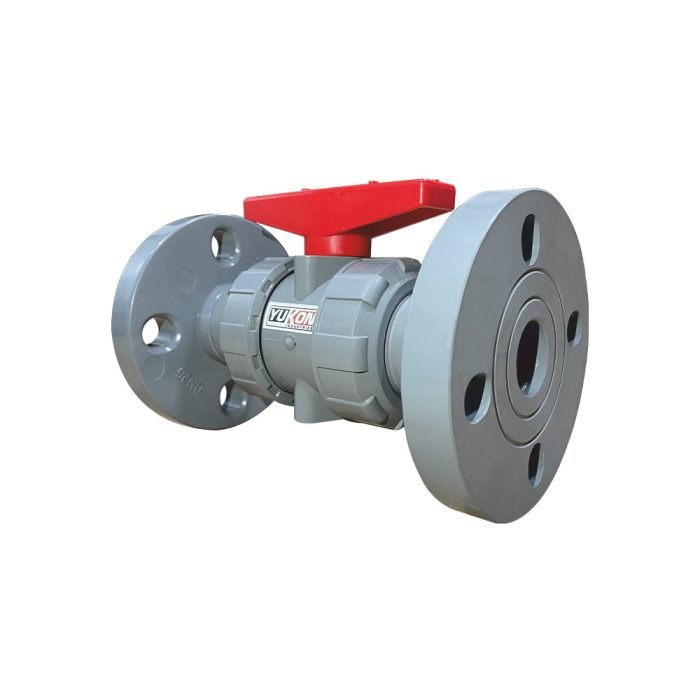
In today’s competitive industrial environment, selecting the right flow control components is crucial for balancing performance, safety, and cost. Among various valve options available, CPVC valves have gained significant attention for their cost-effectiveness and reliable performance across multiple applications. But are CPVC valves truly the right choice for your system? Let’s explore their benefits, applications, and important selection factors to help you make an informed decision.
What Are CPVC Valves?
CPVC (Chlorinated Polyvinyl Chloride) valves are made from a thermoplastic material that offers excellent corrosion resistance, thermal stability, and strength compared to standard PVC. These valves are available in various types, including ball valves, butterfly valves, check valves, and diaphragm valves, making them suitable for a wide range of industries.
Unlike metal valves, CPVC valves are lightweight, easy to install, and resistant to chemical attack, which makes them particularly appealing for industries handling corrosive fluids or operating in humid environments.
Advantages of CPVC Valves for Cost-Effective Operations
The main reason CPVC valves are widely adopted is their ability to deliver long-term performance at a lower overall cost. Here are some key benefits:
- Corrosion Resistance: CPVC material resists a wide range of chemicals, including acids, alkalis, and salts. This resistance helps reduce leaks, failures, and maintenance costs over time.
- Lightweight and Easy Installation: CPVC valves are easier to handle and install compared to metal valves, saving labor time and lowering installation expenses.
- Low Maintenance: Their resistance to scaling, rust, and corrosion means fewer repairs and replacements, contributing to lower lifecycle costs.
- Thermal and Pressure Tolerance: CPVC valves can handle moderate temperatures and pressures, making them suitable for both hot and cold water systems and certain chemical processes.
- Cost Savings: The combination of lower upfront cost, minimal maintenance, and longer service life makes CPVC valves a cost-effective alternative to traditional valve materials.
Common Applications of CPVC Valves
CPVC valves are versatile and can be found in a wide range of industrial and commercial environments:
- Water Supply and Distribution: Ideal for cold and hot water systems, CPVC valves are used in municipal, commercial, and residential water networks.
- Chemical Processing Plants: Their excellent chemical resistance makes them suitable for handling aggressive fluids and corrosive chemicals.
- Water Treatment Facilities: Used in filtration systems, dosing lines, and pipelines that require reliable and leak-free flow control.
- HVAC and Fire Protection Systems: CPVC butterfly and ball valves are often installed in temperature control and fire suppression systems.
- Industrial Manufacturing: CPVC valves are used in various process control applications where cost efficiency and chemical compatibility are priorities.
Key Considerations When Choosing CPVC Valves
While CPVC valves offer many advantages, selecting the right type for your application is essential for achieving optimal performance. Consider the following factors:
- Temperature and Pressure Ratings: Ensure the valve meets the operating conditions of your system.
- Chemical Compatibility: Verify that CPVC is compatible with the fluids being handled to avoid premature wear.
- Valve Type and Size: Choose the appropriate valve configuration (ball, butterfly, check, etc.) based on your flow control requirements.
- Quality Standards: Always select valves that meet relevant industry standards to ensure long-term reliability and safety.
Conclusion
CPVC valves have become a popular choice for industries seeking cost-effective and reliable flow control solutions. Their corrosion resistance, lightweight design, and low maintenance needs make them well-suited for applications in water distribution, chemical processing, and industrial manufacturing.
While they may not replace metal valves in every high-pressure or high-temperature scenario, CPVC valves offer a smart, economical alternative for many systems. By carefully evaluating your operating conditions and selecting high-quality valves, you can significantly reduce installation, maintenance, and operational costs over the long term.
Tags : .....