Comparing Manual, Pneumatic, and Electric Industrial Valves: Key Differences and Applications
By Cair Euromatic 29-09-2025 49
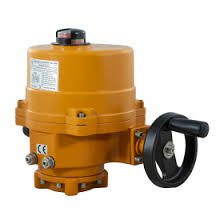
In industrial operations, valves are critical components that regulate, control, and direct the flow of fluids and gases. Selecting the right type of valve not only ensures operational efficiency but also enhances safety, reduces maintenance costs, and optimizes process control. Among the most commonly used valve actuation methods are manual, pneumatic, and electric systems. Understanding their differences and applications is essential for engineers, plant managers, and procurement professionals aiming to make informed decisions.
Manual Industrial Valves: Simplicity and Reliability
Manual valves are operated directly by human intervention, typically through handwheels, levers, or gear mechanisms. Their design is simple, which makes them highly reliable and easy to maintain. Common types include gate valves, globe valves, and ball valves with manual operation.
Applications: Manual valves are ideal for low-frequency operations, emergency shut-offs, or systems where automation is unnecessary. They are widely used in water treatment plants, small-scale chemical processing units, and low-pressure pipelines.
Advantages:
- Low cost and minimal maintenance requirements.
- Easy to install and repair without specialized tools.
- High durability in basic industrial environments.
Limitations: While reliable, manual valves require human presence for operation, making them unsuitable for systems that demand frequent or precise adjustments.
Pneumatic Industrial Valves: Speed and Efficiency
Pneumatic valves are actuated using compressed air, offering fast, consistent, and repeatable operation. They are commonly found in automated industrial systems, including manufacturing lines, chemical plants, and process automation setups. Pneumatic actuators can operate gate, ball, or butterfly valves efficiently, even in hazardous or hard-to-reach environments.
Applications: Pneumatic valves are ideal for systems requiring rapid opening and closing, such as automated filling lines, batch processing, and pressure regulation. Industries like pharmaceuticals, food and beverage, and oil and gas rely heavily on pneumatic valves for operational precision.
Advantages:
- Fast actuation with minimal human intervention.
- Suitable for hazardous or remote areas.
- Compatible with automation and control systems for repeatable performance.
Considerations: Pneumatic systems require a reliable source of compressed air and periodic maintenance to prevent leaks and ensure optimal performance.
Electric Industrial Valves: Precision and Control
Electric valves utilize electric motors or solenoids for actuation, offering high precision and integration with digital control systems. They are commonly used in applications where fine-tuned flow control, remote operation, or complex process automation is required. Electric actuators are particularly useful in industries with advanced monitoring and control infrastructure.
Applications: Electric valves are preferred in large chemical plants, power generation facilities, and HVAC systems where automated, precise control of fluid flow is critical. They allow seamless integration with SCADA systems and other digital platforms for real-time process monitoring.
Advantages:
- Precise flow control and position feedback.
- Remote and automated operation reduces labor requirements.
- Easy integration with digital process control systems.
Considerations: Electric valves can be more expensive and require electrical supply, along with regular maintenance of the actuator and control systems.
Choosing the Right Industrial Valve: Insights from a Valve Manufacturer
Selecting the right valve requires understanding both the operational requirements and the specific advantages of each actuation type. A trusted valve manufacturer like Cair Euro Automation provides expertise in designing and supplying valves that meet industry standards and performance expectations. Factors to consider include system pressure, temperature, fluid type, frequency of operation, and automation needs.
For instance, manual valves are best for simple, low-frequency systems, pneumatic valves excel in fast-paced automated lines, and electric valves deliver precision for complex processes. By evaluating these factors, industrial facilities can optimize efficiency, safety, and long-term reliability.
Conclusion
Understanding the key differences between manual, pneumatic, and electric industrial valves is crucial for efficient and safe industrial operations. Each type offers unique benefits, and selecting the right one depends on operational requirements, automation needs, and process complexity. Collaborating with an experienced valve manufacturer ensures that you choose the most suitable solution for your facility, enhancing performance and minimizing downtime.
Whether you are upgrading existing systems or designing new pipelines, informed valve selection can significantly impact productivity, safety, and cost-efficiency.
Tags : valve manufacturer