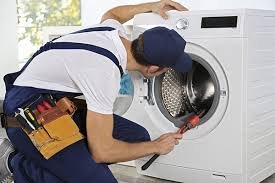
Washing machines are vital in every home. They save time and effort while keeping our clothes fresh and clean. But like any machine, they can develop problems over time. Knowing common washing machine problems and how to fix them can save you money and hassle. Here are common washing machine issues and simple fixes you can try before calling for help.
1. Washing Machine Won’t Start
If your washing machine doesn’t start at all, it could be due to a power issue, a door lock problem, or a faulty control board. First, check the power supply to make sure the plug is firmly inserted and the outlet is working. Try plugging in another device to confirm. Next, inspect the door or lid switch—many washers won’t start unless the door is properly closed. For front-load models, check for a broken door latch; for top-load washers, inspect the lid switch. You can reset the machine by unplugging it for a few minutes. Then, plug it back in to reset the electronic controls. If the problem continues, you may have a faulty control board or wiring issue. This needs a professional's help.
2. Washer Isn’t Spinning or Agitating
When the washer fills with water but doesn’t spin or agitate, the motor, belt, or lid switch could be at fault. First, make sure the load is balanced. Redistribute clothes evenly in the washer. This helps with spinning. Open the lid, adjust the laundry, and then try again. Check the drive belt—over time, belts can loosen or break. If you hear the motor running but the drum doesn’t move, inspect and replace the belt if necessary. If the washer won’t spin, check the lid switch. It might be faulty. You can test it with a multimeter or call a technician for help.
3. Washing Machine Won’t Drain
A washer that won’t drain properly often points to a clogged drain hose, pump filter, or faulty pump. Start by inspecting the drain hose for blockages such as lint, coins, or small clothing items. Disconnect the hose and rinse it out thoroughly. Clean the pump filter if your washer has one. Most front-load models have an easy-to-reach filter behind a small panel. If the washer won't drain and you hear humming but no water moves, the drain pump may be defective. It might need replacing.
Read More: Washing Machine Repair Near Me
4. The Washing Machine Is Leaking Water.
Leaks can occur due to loose connections, damaged hoses, or a faulty door seal. Inspect the fill and drain hoses for cracks or loose fittings. Tighten or replace them if necessary. Inspect the door gasket — front-load washers often develop leaks from a worn or dirty rubber seal. Wipe it down regularly and replace it if torn. Don't overload the washer. This can cause water to splash out or strain the seals. Follow your manufacturer’s load recommendations.
5. Washer Makes Loud or Unusual Noises
Banging, grinding, or squealing noises usually indicate an unbalanced load or worn-out components. Pause the cycle and redistribute the laundry evenly. If the noise keeps happening, check the drum bearings, dampers, or suspension springs. They might need to be replaced. Sometimes, small things like coins or buttons can get stuck between the drum and tub. If you hear metallic clanking, check for foreign items.
6. Bad Smell Coming from the Washer
A musty or moldy smell often comes from front-load washers. This happens because of detergent buildup and trapped moisture. Clean the drum and rubber gasket often. Wipe down the seal after each wash. Leave the door open to let air flow. Run a monthly cleaning cycle using a washing machine cleaner or a mix of vinegar and baking soda on a hot wash. Also, avoid using too much detergent, as excess soap residue can cause odor problems.
Final Thoughts
Many washing machine issues are easy to spot and fix yourself, but some need a pro's help. If you see electrical problems, leaks, or error codes you can't fix, call a qualified repair technician. Regular maintenance helps keep your washing machine running well for years. Simple tasks like cleaning filters, balancing loads, and checking hoses are key.
Tags : .....