Coated Electrodes vs TIG Filler Wires: Which Welding Consumable Should You Use?
By Isha 24-09-2026 11
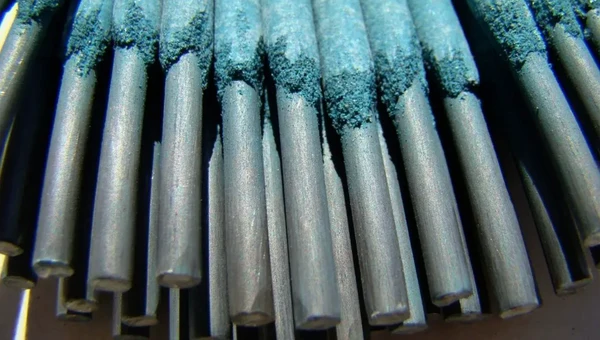
Coated Electrodes and TIG Filler Wires are two commonly used welding consumables for joining metal components in industrial applications. Both can produce strong welds. They differ heavily in the welding process, electrode design, shielding method, operator control, and application suitability. Understanding the distinction between Coated Electrodes vs TIG Filler Wires determines the success of a fabrication project. The choice affects the equipment needed, the location of the work, and the final mechanical properties of the joint.
What Are Coated Electrodes?
Coated Electrodes are the primary consumable used in the Shielded Metal Arc Welding (SMAW) process. They consist of a solid metal core wire surrounded by a baked flux coating. The operator strikes the electrode against the base metal for arc generation. The intense heat melts the core wire into the joint. Simultaneously, the flux coating burns. This combustion produces a shielding gas. The gas protects the molten weld pool from oxygen and nitrogen in the surrounding air. The melted flux also floats to the top of the weld pool. This creates a slag formation. The slag layer protects the cooling metal from rapid oxidation. It also helps shape the weld bead. Sourcing materials from a reliable coated welding electrodes stockist ensures consistent flux composition. The coating dictates the arc stability, penetration depth, and exact operating parameters.
What Are TIG Filler Wires?
TIG Filler Wires are paired with the Gas Tungsten Arc Welding (GTAW/TIG) process. The operator uses a non-consumable tungsten electrode mounted in a torch to strike the arc. The torch supplies an external shielding gas, typically argon or helium, over the weld area. The arc creates a highly controlled weld pool on the base metal. The operator performs manual filler addition by feeding the separate filler wire into the leading edge of the puddle. The separate wire allows exact control over the deposition rate. The welder controls the heat with a foot pedal or thumb switch. TIG Filler Wires are commonly selected when precision and weld appearance are important. The process produces zero slag. The resulting joint requires minimal post-weld cleaning.
Coated Electrodes vs TIG Filler Wires: What Are the Main Differences?
The practical differences dictate the working environment. The SMAW process relies entirely on the flux coating to shield the weld. You do not need to transport heavy gas cylinders to the job site. The GTAW process requires constant external gas flow. A slight breeze will blow the shielding gas away and ruin a TIG weld. This restricts GTAW mostly to controlled indoor environments.
When Should You Choose Coated Electrodes?
You should select Coated Electrodes for outdoor welding and remote construction sites. They are standard for repair work on heavy equipment. Structural fabrication relies heavily on them. They handle heavy fabrication tasks like shipbuilding and pipeline construction. They are practical for maintenance applications. Portability is their biggest advantage. The equipment is simple. A welder only needs a power source and cables. The flux coating allows them to work in locations where external shielding gas is difficult to manage. They also tolerate rust, mill scale, and dirt on the base metal better than other processes.
When Are TIG Filler Wires the Better Choice?
TIG Filler Wires are the better choice for applications requiring precise heat control and clean welds. They are mandatory for stainless steel fabrication in the food and medical sectors. Welders use them on extremely thin sections to prevent burn-through. They are specified for critical joints in pressure vessels. Pipe welding often requires TIG for the root pass to ensure full penetration without defects. Aerospace components demand TIG due to strict metallurgical requirements. Precision fabrication shops rely on GTAW. TIG is preferred where weld appearance, control, and cleanliness are important.
How Do Welding Conditions Affect the Choice?
You must evaluate several conditions before deciding between Coated Electrodes or TIG Filler Wires. The base metal type restricts your options. The material thickness dictates the required amperage. The welding position influences how the molten metal behaves. Joint design determines accessibility. The required weld quality sets the testing standard. An indoor or outdoor location physically limits the equipment you can use. Welding speed requirements affect productivity. TIG is a slow process compared to SMAW. Operator skill is a major factor. TIG requires complex hand-eye coordination. Equipment availability on the shop floor will finalize the decision.
Which Consumable Gives Better Weld Quality?
Neither consumable universally guarantees better results. Weld quality depends heavily on the welding process, operator technique, consumable selection, base material preparation, shielding, and correct welding parameters. TIG offers unmatched precision by producing X-ray-quality welds with zero spatter. Coated Electrodes offer practical versatility. A skilled operator can produce defect-free welds with SMAW in harsh conditions. Compare the precision of TIG with the rugged reliability of SMAW. The better consumable is the one that matches the technical demands of the specific joint.
Coated Electrodes vs TIG Filler Wires: Application Guide
What Should You Check Before Selecting a Welding Consumable?
You must verify the exact base metal grade before starting. Check the filler/electrode classification to ensure chemical compatibility. Measure the material thickness and confirm the required mechanical properties, including tensile strength and impact toughness. Determine the welding position, set the correct current type and polarity on the power source. Follow the approved welding procedure exactly. Verify the storage conditions. Some electrodes require baking in ovens to remove moisture. Confirm the consumable matches applicable AWS/ASME standards. Gather the required certifications for traceability.
Conclusion
Coated Electrodes are generally suitable when portability, versatility, outdoor welding, and heavy fabrication are priorities. They perform in environments where external shielding fails. TIG Filler Wires are better suited to precision welding, thin materials, and applications requiring greater control and cleaner welds. The consumable should be selected strictly according to the base metal, joint requirements, welding environment, and desired weld quality.