Choosing the Right Indoor Sign Company in Los Angeles: What to Know
By Global Signs & Graphics 01-04-2026 412
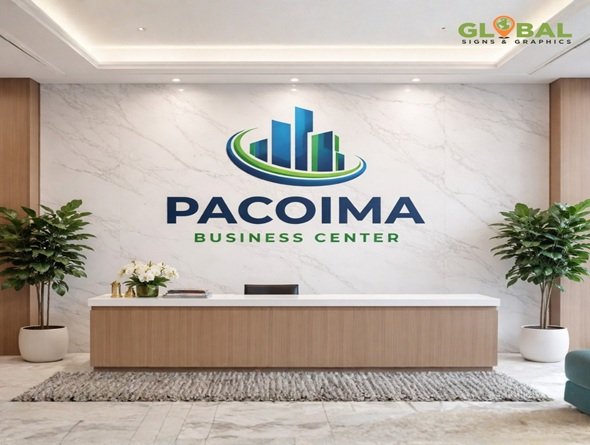
Indoor signage plays a critical role in how customers perceive and interact with your business. From lobby signs to wayfinding systems, the right indoor signs don’t just decorate a space—they guide, inform, and reinforce your brand identity. In a competitive market like Los Angeles, choosing the right indoor sign company is a strategic decision that can directly impact your customer experience and brand credibility.
Why Indoor Signage Matters
Once customers step inside your business, your indoor signage takes over the job of communication. It helps visitors navigate your space, understand your offerings, and form impressions about your professionalism. Studies and industry insights show that interior signs influence customer perception and buying behavior, making them just as important as outdoor signage.
Whether it’s a sleek lobby logo, directional signs, or promotional displays, well-designed indoor signage enhances both functionality and aesthetics.
1. Look for a Full-Service Sign Company
One of the first things to evaluate is whether the company offers end-to-end services. A reliable indoor sign company should handle:
- Consultation and concept development
- Custom design
- Fabrication
- Permitting (if required)
- Installation and maintenance
Working with a full-service provider ensures consistency and reduces coordination issues. It also means one team is accountable for the final result, which improves quality control.
2. Evaluate Experience and Portfolio
Los Angeles is a diverse market with industries ranging from retail and hospitality to corporate offices and entertainment. Your signage partner should have experience across different business environments.
Review their portfolio and ask:
- Have they worked with businesses similar to yours?
- Do their designs align with your brand style?
- Can they handle both simple and complex signage systems?
Experienced companies understand how to create signage that increases foot traffic, improves navigation, and strengthens brand recognition.
3. Prioritize Customization and Branding
Your indoor signage should reflect your brand—not look like a generic template. A good sign company will tailor every detail, including:
- Colors and typography
- Materials (acrylic, metal, vinyl, etc.)
- Lighting and dimensional elements
- Placement within your space
Consistency is key. Repeating brand elements across signage builds recognition and trust with customers.
4. Understand Materials and Sign Types
Not all indoor signs are created equal. Depending on your needs, you may require:
- Lobby signs for brand identity
- Directional signs for navigation
- Informational signs for compliance or safety
- Promotional signs for marketing
Materials also matter. Indoor signage can be made from acrylic, metal, foam, or fabric, each offering a different aesthetic and durability level.
A knowledgeable sign company will guide you in selecting the right combination of materials and formats based on your space and goals.
5. Check Knowledge of Local Regulations
Even indoor signage can be subject to local codes, especially in commercial buildings or shared spaces. In Los Angeles, compliance with ADA (Americans with Disabilities Act) signage standards is often required.
A professional sign company should:
- Understand local regulations
- Handle permitting if needed
- Ensure your signage meets legal requirements
Failure to comply can lead to costly redesigns or penalties, so this expertise is essential.
6. Assess Design and Wayfinding Expertise
Good indoor signage isn’t just visually appealing—it’s functional. Effective wayfinding systems help customers move through your space intuitively.
For example:
- Offices use directories and room identifiers
- Retail stores use product displays and navigation cues
- Warehouses use safety and directional signage
Well-designed signage reduces confusion and improves the overall customer experience.
7. Review Installation Quality
Even the best design can fail if installation is poor. Ask potential companies about:
- Their installation process
- Whether they use in-house teams or subcontractors
- How they ensure precision and durability
Proper installation ensures your signage is safety, aligned, and long-lasting.
8. Consider Budget and Timeline
Indoor signage is an investment, and costs can vary depending on:
- Size and complexity
- Materials used
- Customization level
- Installation requirements
A good company will provide transparent pricing and realistic timelines. They should also help you prioritize features based on your budget without compromising quality.
9. Look for Collaboration and Communication
The best signage companies work closely with clients throughout the process. From initial consultation to final installation, collaboration ensures the end result matches your vision.
Choose a company that:
- Listens to your needs
- Offers expert recommendations
- Provides clear updates and timelines
Strong communication minimizes errors and leads to better outcomes.