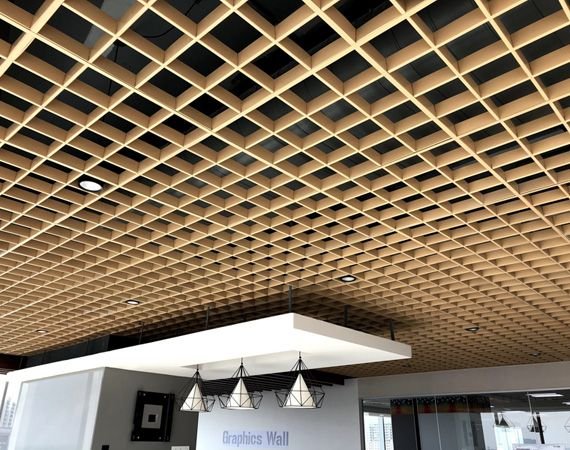
Ever found yourself staring up at a ceiling and wondering what actually goes into creating sleek, professional grid ceilings? Have you considered how the right grid ceilings material could transform your space, improve acoustics, or even boost energy efficiency? If you're planning a renovation or fit-out, these questions matter more than you might think.
Grid ceilings, also known as suspended or drop ceilings, are everywhere—from bustling commercial offices to modern residential spaces across Australia. But here's the thing: not all grid ceilings materials are created equal. The material you choose affects everything from sound absorption and fire safety to maintenance requirements and overall aesthetics.
In this guide, we'll walk you through the most popular materials used for grid ceilings today. You'll discover how to match grid ceiling materials to your specific needs, understand the pros and cons of each option, and learn what factors to consider before making your final decision. Whether you're installing grid ceilings in a corporate headquarters, a healthcare facility, a retail space, or even a home basement, you'll find practical insights to help you choose the best solution for your project.
Understanding Grid Ceiling Systems: A Quick Overview
What Is a Grid Ceiling System?
A grid ceiling system consists of a metal framework suspended from the structural ceiling above. This framework creates a grid pattern that holds ceiling tiles or panels in place. It's a brilliantly practical solution that hides unsightly ductwork, electrical wiring, and plumbing while providing easy access for maintenance.
These systems have become incredibly popular in both commercial and residential settings. They're relatively straightforward to install, and replacing damaged tiles is a breeze compared to traditional fixed ceilings.
Key Components of a Suspended Ceiling Grid
The main components include main runners, cross tees, wall angles, and suspension wires. The main runners form the primary framework, while cross tees create the grid pattern. Wall angles provide a finished edge where the ceiling meets the walls.
Understanding these components helps you appreciate why material selection matters. The tiles or panels you choose must work harmoniously with this framework while meeting your performance requirements.
What Are the Most Common Materials Used for Grid Ceilings?
Mineral Fibre Tiles
Mineral fibre tiles are arguably the most popular choice for commercial applications. Made from a combination of mineral wool, clay, and organic fibres, these tiles offer excellent acoustic performance. They absorb sound effectively, making them ideal for open-plan offices where noise control matters.
These tiles are also fire-resistant and relatively affordable. However, they're not the best choice for high-moisture environments, as they can sag or deteriorate when exposed to humidity.
Metal Grid Ceiling Panels
Metal panels bring a contemporary, industrial aesthetic to any space. Aluminium and steel are the most common choices, offering exceptional durability and longevity. They're perfect for environments requiring high hygiene standards, such as commercial kitchens and healthcare facilities.
Metal panels resist moisture brilliantly and are easy to clean. On the downside, they don't absorb sound as well as softer materials and can be more expensive upfront.
Gypsum Ceiling Tiles
Gypsum tiles provide a smooth, seamless appearance that many architects love. They offer good fire resistance and can be painted to match any colour scheme. These tiles work well in spaces where aesthetics take priority.
They're heavier than mineral fibre alternatives, which means stronger support systems are sometimes necessary. Gypsum also doesn't handle moisture particularly well.
Fibreglass Ceiling Panels
Fibreglass panels excel in thermal insulation and acoustic control. They're lightweight, making installation easier, and resist moisture better than mineral fibre options. Many healthcare and educational facilities choose fibreglass for these reasons.
PVC and Plastic Options
PVC ceiling tiles are budget-friendly and highly resistant to moisture. They're popular in bathrooms, basements, and areas prone to humidity. However, they may not offer the same acoustic performance as other materials.
How Do I Choose the Right Grid Ceiling Material for My Space?
Assessing Your Acoustic Requirements
Sound control should be near the top of your priority list, especially for office environments. Consider how much noise reduction you need. Open-plan offices benefit enormously from materials with high Noise Reduction Coefficients (NRC).
Mineral fibre and fibreglass typically offer the best acoustic performance. If you're creating meeting rooms or quiet zones, investing in premium acoustic tiles pays dividends.
Considering Fire Safety and Building Regulations
Australian building codes have strict requirements for fire safety. Your chosen material must meet relevant standards, particularly in commercial buildings. Always check the fire rating of any material you're considering.
Metal and gypsum tiles generally offer excellent fire resistance. Ensure your supplier provides documentation proving compliance with Australian standards.
Evaluating Moisture and Humidity Resistance
Moisture is the enemy of many ceiling materials. In areas like kitchens, bathrooms, or pool facilities, you'll need materials that won't sag, stain, or deteriorate when exposed to humidity.
Metal and PVC panels handle moisture brilliantly. If you're working in a high-humidity environment, prioritise moisture resistance over acoustic performance.
Matching Aesthetics to Your Interior Design
Your ceiling contributes significantly to the overall look and feel of a space. Consider how different materials complement your interior design vision. Metal panels suit contemporary, industrial aesthetics, while gypsum creates a more traditional, seamless appearance.
Many modern offices incorporate **glass partitions for offices** and **glass wall partitioning** to create light-filled, collaborative environments. Your ceiling material should complement these design elements, creating a cohesive aesthetic throughout the space.
What Is the Best Ceiling Material for Commercial Offices?
Durability and Maintenance Considerations
Commercial environments demand materials that withstand daily wear and tear. Consider how easy tiles are to clean, replace, and maintain over time. Metal and mineral fibre tiles both offer good durability for office settings.
Regular maintenance extends the life of any ceiling system. Choose materials that won't show marks easily and can be spot-cleaned when necessary.
Balancing Cost with Long-Term Performance
The cheapest option isn't always the most cost-effective in the long run. Consider the total cost of ownership, including installation, maintenance, and potential replacement costs.
For offices featuring **office glass panels** and **glass partition walls**, a well-chosen ceiling material enhances the professional atmosphere while providing practical benefits like sound absorption.
Are Grid Ceilings Suitable for Residential Use?
Popular Applications in Australian Homes
Absolutely! Grid ceilings are increasingly popular in Australian homes, particularly in basements, home theatres, and renovated spaces. They provide easy access to utilities while creating a finished, polished look.
Many homeowners appreciate the flexibility these systems offer. When combined with modern features like **glass partition walls residential** applications, they create stunning contemporary living spaces.
Material Recommendations for Home Installations
For residential use, consider lighter-weight options that are easy to handle. Mineral fibre and PVC tiles work well for DIY installations. Prioritise acoustic performance for home theatres and comfort.
Sustainability and Eco-Friendly Grid Ceiling Options
Recycled Content Materials
Many manufacturers now offer tiles containing recycled content. These options reduce environmental impact without sacrificing performance.
Low-VOC and Green-Certified Products
Look for products certified by recognised environmental standards. Low-VOC tiles improve indoor air quality, benefiting building occupants.
Final Thoughts: Making the Right Choice for Your Project
Choosing the best grid ceiling material involves balancing multiple factors—acoustic requirements, fire safety, moisture resistance, aesthetics, and budget. There's no single "best" material; the right choice depends entirely on your specific situation.
For most commercial offices, mineral fibre tiles offer the best combination of acoustic performance, fire safety, and value. If you're designing a space with **glass office partition** walls and **glass partitions melbourne** style aesthetics, consider how your ceiling choice complements these contemporary elements.
Take time to assess your priorities carefully. Visit showrooms, request samples, and consult with professionals when needed. Your ceiling might seem like a background element, but the right material choice enhances every aspect of your space—from comfort to productivity to long-term maintenance costs. Make it count.
Tags : grid ceilings melbourne