Chemical vs. Natural Termite Treatments: Which One is Right for You?
By Brayden Mocatta 11-12-2025 29
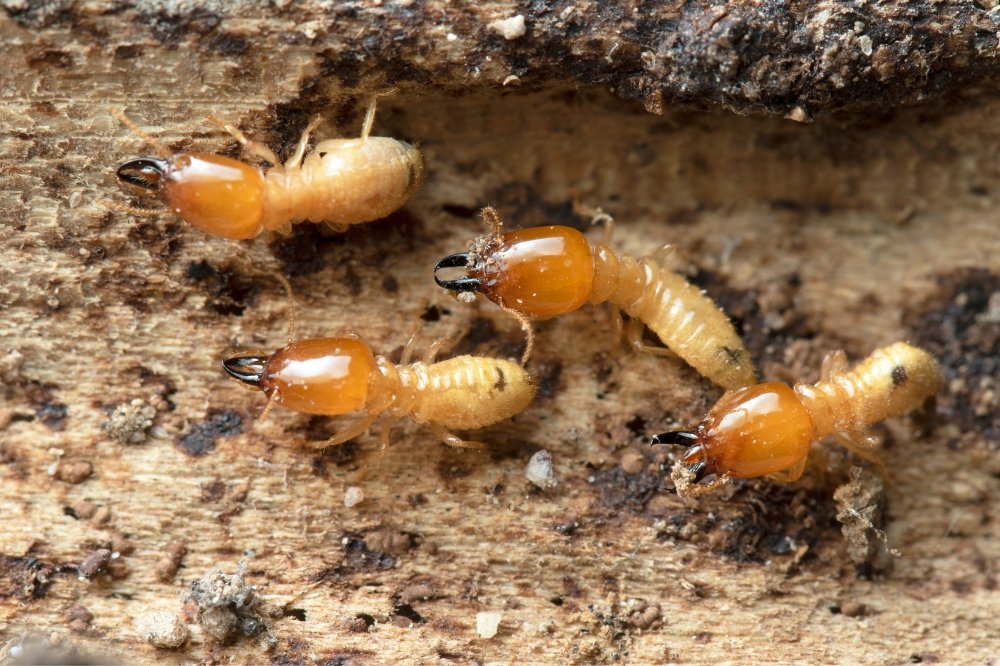
Termites are often called silent destroyers because they work quietly behind walls, under floors, and inside structural beams—often causing significant damage before they are even detected. Whether you’re responding to an active termite infestation or focusing on prevention, one of the biggest decisions you’ll face is choosing between chemical and natural termite treatments. Both methods offer unique advantages and disadvantages, and the right choice depends on your needs, priorities, and the specific conditions of your property.
Below, we explore how these two approaches differ, evaluate their strengths and weaknesses, and help you determine which one may be best for your situation.
Understanding Chemical Termite Treatments
Chemical termite treatments use synthetic pesticides specifically designed to eliminate termite colonies or prevent termites from entering your home. These treatments are typically applied by certified pest control professionals due to their potency and regulatory requirements.
Common Types of Chemical Treatments
Liquid Soil Treatments
These treatments involve applying chemical termiticides to the soil around the foundation of a structure. The goal is to create a long-lasting barrier that either repels termites or kills them when they come in contact with the treated soil.
Termiticides
Many modern termiticides are non-repellent, meaning termites don’t detect them. Termites walk through the treated soil, pick up the chemical, and carry it back to the colony, affecting other termites through contact and shared food.
Bait Systems
Bait stations are placed around the perimeter of a property. Termites feed on the bait and transport it back to the colony, gradually eliminating the entire population.
Wood Treatments
These can include injecting or painting chemicals directly onto wood to protect it from future termite activity.
Benefits of Chemical Treatments
Chemical solutions are known for delivering high effectiveness. They can eliminate entire colonies, even in severe infestations. Many chemical treatments offer long-term protection, lasting years when applied correctly. Because professionals typically administer these treatments, homeowners benefit from expert monitoring, warranties, and periodic inspections. Another advantage is the speed of action; many chemicals begin reducing termite numbers almost immediately.
Drawbacks of Chemical Treatments
Chemical treatments can raise environmental concerns, especially when it comes to runoff, contamination of soil and water sources, or harm to beneficial insects. There may also be health risks if these substances are applied incorrectly, though licensed professionals follow strict safety protocols. Chemical termite control can also be costly, especially for large properties or extensive infestations. In many cases, implementing the treatment involves disruptive trenching or drilling, which may not be ideal for all homeowners.
Understanding Natural Termite Treatments
Natural termite treatments use botanical extracts, biological agents, and physical barriers to repel or eliminate termites without relying on synthetic chemicals. These strategies are popular among eco-conscious homeowners or those concerned about children, pets, or sensitive environments.
Common Natural Treatment Options
Neem Oil
Derived from the neem tree, this oil acts as a natural insect growth regulator. When termites ingest neem, it disrupts their ability to grow and reproduce.
Orange Oil (D-Limonene)
Extracted from citrus peel, orange oil kills termites on contact and is often used in localized infestations where termites are confined to small areas.
Boric Acid
This naturally occurring mineral can be used as a dust or incorporated into bait systems. Boric acid affects termites’ digestive systems and gradually kills them.
Beneficial Nematodes
These microscopic roundworms, harmless to humans and pets, invade termite larvae and cause fatal infections. This method works especially well in gardens and outdoor areas.
Physical Barriers
Mesh screens, sand barriers, and crushed stone can be installed during construction to deter termites from entering a structure. These options are chemical-free and long-lasting.
Essential Oils and Herbal Repellents
Cedar, clove, and thyme oils have demonstrated termite-repelling properties. These methods are helpful for prevention but are generally not strong enough to handle major infestations.
Benefits of Natural Treatments
Natural treatments are appealing because they are eco-friendly and generally safer for humans and pets. They are excellent choices for preventative maintenance, especially in areas where termites are present but not yet causing severe problems. Many natural methods are budget-friendly and can be applied by homeowners themselves, making them ideal for routine upkeep or supplementing other protection measures.
Drawbacks of Natural Treatments
The biggest limitation of natural treatments is that they are often less powerful than chemical options, especially when handling serious or widespread infestations. Many natural substances degrade quickly, meaning they require frequent reapplication. The effectiveness of natural methods can also vary depending on termite species, climate, moisture levels, and how thoroughly they are applied. While natural treatments are valuable for prevention and spot treatments, they often lack the long-lasting protection that chemical methods provide.
How to Decide Which Treatment Is Best
Choosing between chemical and natural termite treatments depends on several key factors.
1. Severity of Infestation
If termites are already causing significant damage or are deeply established in your home, chemical treatments typically offer the best chance of fully eliminating the colony. Natural treatments may not be strong enough to stop a severe or advanced infestation.
2. Environmental or Health Concerns
If minimizing chemical exposure is a priority—whether due to pets, children, gardens, or personal values—natural options provide a safer and more eco-friendly approach. Homeowners can combine botanical remedies with physical barriers for added protection.
3. Budget Considerations
Natural treatments often have lower upfront costs, especially when used as DIY solutions. However, they may require more frequent applications. Chemical solutions may be more expensive initially, but their long lifespan can make them more cost-effective over time.
4. Type of Property
Homes that house sensitive individuals—such as schools, daycare centers, or medical facilities—may benefit from natural treatments. Conversely, commercial buildings, rental units, or homes in high-risk areas may require the robustness of chemical termiticides.
5. Long-Term Maintenance
If you prefer low-maintenance, long-term protection, chemical treatments may be the better choice. Natural methods typically require more hands-on upkeep.
Integrated Termite Management: The Best of Both Worlds
For many homeowners, a combined approach—known as Integrated Pest Management (IPM)—offers the most balanced solution. This method emphasizes prevention using natural techniques, paired with targeted chemical use only when necessary. Regular inspections, moisture control, and improved home maintenance support long-term termite prevention while reducing chemical reliance.
Conclusion
Both chemical and natural termite treatments have distinct advantages and limitations. Chemical treatments are powerful, long-lasting, and highly effective against severe infestations. Natural treatments are safer, environmentally friendly, and great for prevention or minor termite issues.
The best choice depends on your specific situation—your property’s needs, your values, the severity of the infestation, and your long-term protection goals. When in doubt, consulting a licensed pest control expert can help you select a solution that provides both safety and peace of mind.
Tags : .....