CCTV Regulations in Canada: What Businesses and Property Owners Must Know
By United Security Systems 13-10-2026 12
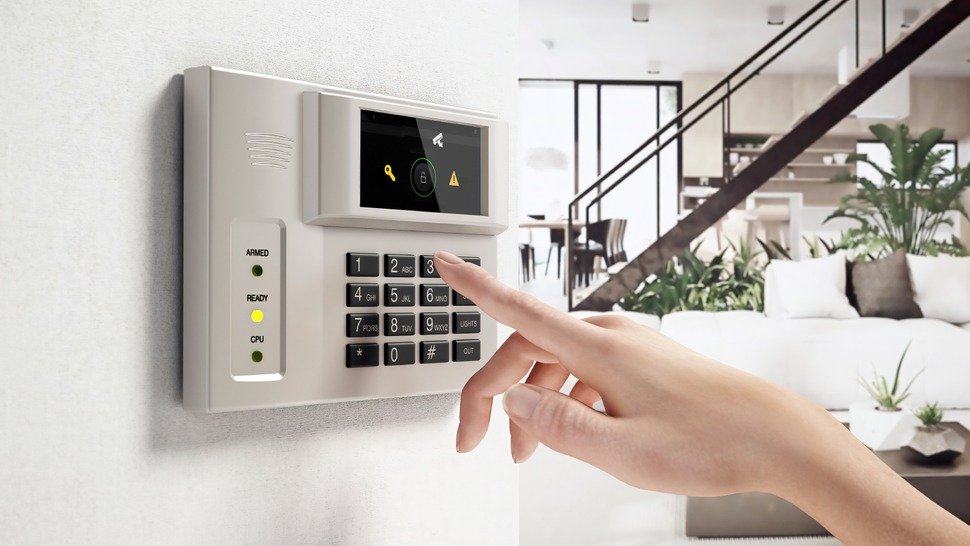
Installing a security camera sounds simple: buy it, mount it and press record. In Canada, however, a camera that records people is also collecting personal information, and that brings legal responsibilities. Businesses that ignore them risk privacy complaints, employee disputes and even criminal exposure in some situations.
This guide explains the main CCTV regulations in Canada in plain language, covering privacy laws, signage, audio recording, workplace surveillance, footage storage and practical steps to stay compliant. It is general information, not legal advice, so speak with a lawyer for your specific situation.
Is CCTV Legal in Canada?
Yes. Using security cameras is legal in Canada, and they are widely used by retailers, offices, warehouses, condominiums and homeowners. The key point is that the use must be reasonable. You need a genuine purpose such as preventing theft, protecting people or investigating incidents, and you must collect only what you actually need.
There is no single national “CCTV Act.” Instead, the rules come from a mix of federal and provincial privacy laws, the Criminal Code, employment law and, for public bodies, freedom of information legislation. That is why the answer to a CCTV question often depends on who you are, where you are and what the camera is pointed at.
CCTV Regulations Canada: Key Rules at a Glance
Here are the main legal layers that shape CCTV regulations in Canada:
- Federal privacy law (PIPEDA): Applies to many private-sector organizations in the course of commercial activity. Video recordings and live monitoring both count as collecting personal information.
- Provincial privacy laws: Alberta, British Columbia and Quebec have their own private-sector privacy laws that are similar to PIPEDA, so businesses there follow the provincial rules.
- Public sector laws: Government bodies, municipalities, police, schools and similar organizations are generally governed by freedom of information and privacy statutes. In Ontario, these include FIPPA and MFIPPA.
- The Criminal Code: Sets limits on recording private communications, which is the reason audio recording is a sensitive issue.
- Employment and labour law: Shapes how cameras can be used to monitor employees, including in unionized workplaces.
- Charter principles: Protect against unreasonable intrusion in certain contexts, especially for government use.
Privacy Law and Overt Video Surveillance
For private businesses, the best-known guidance is the set of guidelines for overt video surveillance in the private sector, issued by the Privacy Commissioner of Canada together with the Alberta and British Columbia commissioners. Courts and commissioners have referred to them often, so they work as a practical benchmark.
In simple terms, the guidelines ask you to:
- Decide whether a less privacy-invasive option would meet your needs before installing cameras.
- Identify a clear business reason and use the footage only for that purpose.
- Limit camera placement and recording times to what is necessary.
- Tell people that video surveillance is taking place.
- Protect recordings and restrict who can view them.
- Keep footage only as long as necessary and destroy it securely.
- Create a written video surveillance policy.
- Review from time to time whether the cameras are still needed.
If you remember only one thing, remember notice. Posting clear and visible signage is the usual way businesses obtain implied consent, and it is one of the most commonly missed requirements.
Signage Requirements
Signs should be placed where people can see them before they enter the monitored area, such as at entrances and parking lots. A good sign states that video surveillance is in use, explains the purpose and gives contact details for someone who can answer questions about it, such as a privacy officer or manager.
A tiny “smile, you’re on camera” sticker is not enough. One review of business locations that did post notices found that none fully met the privacy law standard, mostly because the signs lacked required details. Take a few minutes to get the wording right, and it can save you a major headache later.
Audio Recording: The Biggest Legal Trap
Many modern cameras can record sound as well as video, and this is where business owners most often get into trouble. Under the Criminal Code, recording a private communication without the consent of at least one participant, or without legal authority, can be an offence. A camera that passively picks up conversations between customers or employees is very different from a recording in which the business is part of the conversation.
Some environments, such as concierge desks, are sometimes discussed as places where audio can be justified, but even then clear signage and legal advice are important. For most businesses the safest approach is simple: turn audio recording off unless you have a specific, well-documented reason and legal guidance.
CCTV in the Workplace
Employers often want cameras to prevent theft, protect staff and meet safety obligations. These are legitimate goals, but employee privacy still matters. Canadian courts and arbitrators have generally not looked kindly on cameras used to spy on employees without good reason.
To stay on the right side of the rules:
- Explain to employees why cameras are installed and where they are located.
- Use cameras for the stated purpose, such as security, rather than constant performance monitoring.
- Never place cameras in washrooms, change rooms or other places where people expect privacy.
- Include your surveillance policy in onboarding materials or the employee handbook.
- Be cautious about hidden cameras, which are generally difficult to justify and reserved for serious situations, usually after other options have failed.
- If your workplace is unionized, check your collective agreement and consult your labour advisor.
Rules for employee information can vary by province and by whether your business is federally or provincially regulated, so confirm which law applies to you.
Residential Cameras and Shared Spaces
Homeowners may install cameras for their own security, but the footage should focus on your own property. Pointing a camera into a neighbour’s windows, yard or other private space can lead to complaints and legal trouble. In condominiums and rental buildings, cameras in common areas are usually controlled by the corporation or landlord and should follow the building’s policies and applicable privacy rules. Tenants should not assume they can install cameras in shared hallways without permission.
Footage Retention and Security
There is no single national number of days for how long you must keep CCTV footage. The general principle is to keep recordings only as long as they are needed for the purpose you identified, then delete them securely. Many businesses keep footage for a few weeks, but you should choose a period that suits your risks and write it into your policy. If an incident occurs, such as a theft, injury or police investigation, preserve the relevant footage until the matter is resolved.
Security also matters. Store recorders in a locked location, use strong passwords, turn on multi-factor authentication for cloud access, update firmware and keep a log of who views or exports footage. A leaked video can create a privacy breach, so treat it with the same care as any other sensitive record.
Sharing Footage With Police and Others
If police ask for footage, ask for the request in writing where possible and have a manager or privacy lead handle it. Share only what is relevant to the investigation. If an individual asks for a copy of video that shows them, your obligations depend on the privacy law that applies to you, and you may need to protect the identities of other people in the footage. Keep a record of all requests and what was disclosed.
CCTV Used by Public Bodies
Municipalities, police services, housing providers and other public organizations typically operate under stricter, formal policies. Many require a privacy impact assessment, clear signage, limits on camera locations, controlled access and defined retention periods. If you work with or supply a public body, expect these requirements to flow into contracts and installation specifications.
A Practical CCTV Compliance Checklist
Before you switch on a new system, run through these steps:
- Write down the reasons you need cameras and what problem they solve.
- Map camera positions and avoid areas where people expect privacy.
- Turn off audio recording unless you have legal advice and a clear need.
- Post clear signs at entrances and in monitored zones.
- Create a short surveillance policy and share it with staff.
- Limit access to live feeds and recordings to named people.
- Set and document a retention and deletion schedule.
- Secure the equipment and your network.
- Review the system at least once a year.
Conclusion
CCTV compliance is easier when your system is planned properly from day one. A provider such as United Security Systems can help you choose camera locations, install equipment correctly, set up secure storage and access settings, and design a system that supports your security goals while respecting privacy requirements.
CCTV regulations in Canada are not meant to stop you from protecting your property. They are meant to make sure surveillance is reasonable, transparent and respectful of people’s privacy. If you define your purpose, post clear notices, limit what you record and protect your footage, your cameras can do their job without creating legal problems.














