Can Sustainable Fuel Unlock Carbon-Neutral Air Travel Faster Than Expected?
By Leadvent Group 28-05-2026 135
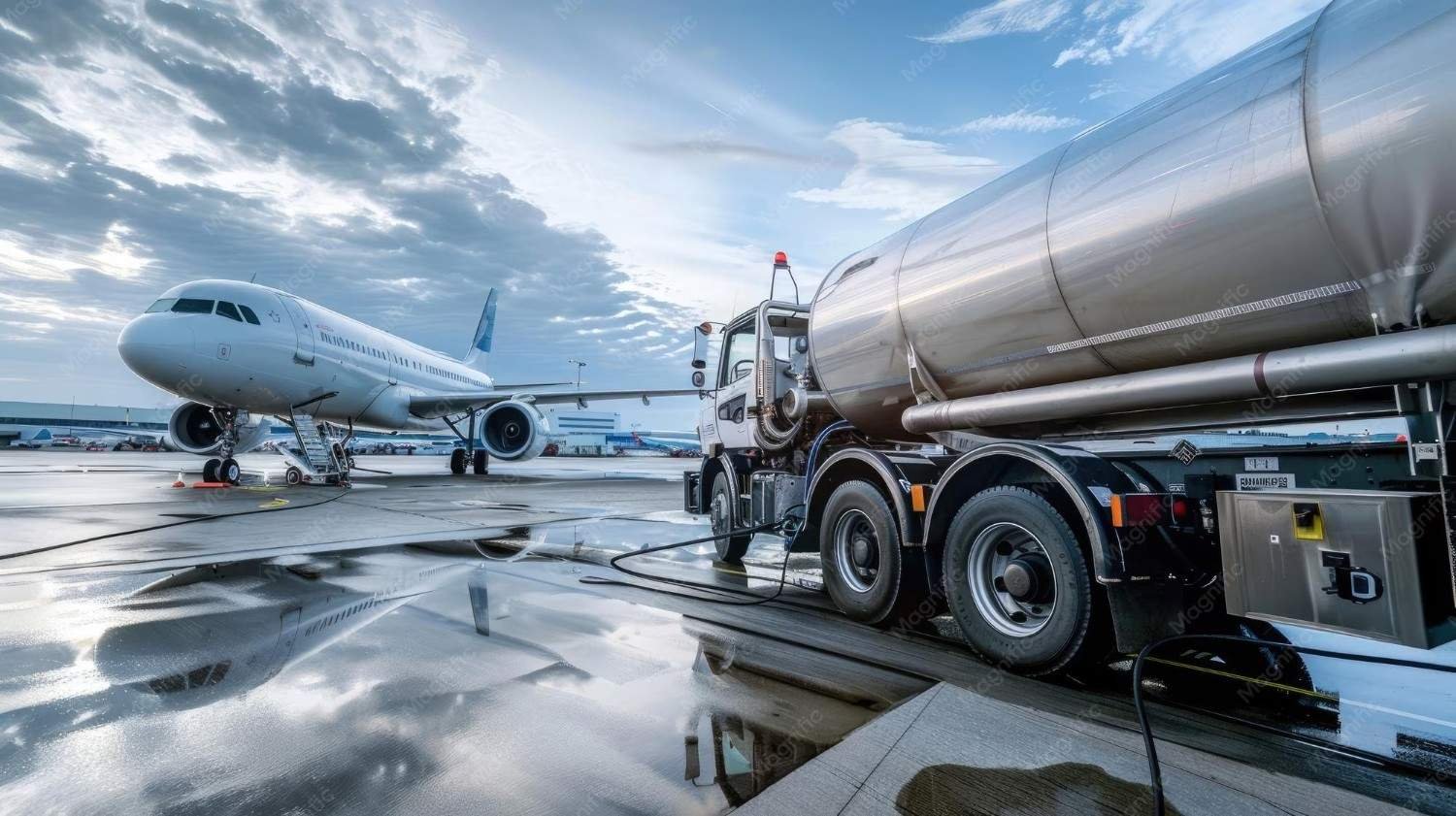
Aviation has long been one of the hardest industries to clean up. Unlike cars or buses, planes cannot simply switch to batteries overnight. But there is growing hope that Sustainable Aviation Fuel, often called SAF, could change the timeline for carbon-neutral flying much sooner than most people expected.
What Is SAF and Why Does It Matter?
SAF is a cleaner alternative to traditional jet fuel. It is made from sources like used cooking oil, agricultural waste, animal fat, and even captured carbon dioxide. When burned in an aircraft engine, it produces significantly fewer carbon emissions compared to conventional fossil fuel. The best part is that existing aircraft and airport infrastructure can use SAF without any major modifications.
The aviation industry accounts for around 2 to 3 percent of global carbon dioxide emissions. That number seems small, but the actual climate impact of flying is higher due to contrails and other atmospheric effects. SAF directly targets this problem by reducing the carbon footprint of each flight.
How Fast Is the Transition Actually Happening?
The adoption of SAF has been slower than many hoped, mainly because of cost and supply. SAF currently costs two to five times more than regular jet fuel. Production is also limited. In 2023, global SAF production covered less than 1 percent of total aviation fuel demand.
However, things are shifting. Governments in Europe, the United States, and parts of Asia are introducing blending mandates. The European Union has set targets requiring airlines to use at least 2 percent SAF by 2025, rising to 70 percent by 2050. The United States launched the SAF Grand Challenge, aiming to produce 3 billion gallons of SAF annually by 2030.
Airlines are also signing long-term purchase agreements with fuel producers, which is helping drive investment in new production facilities.
Real Case Studies Worth Knowing
United Airlines has been one of the most active investors in SAF. The airline partnered with several fuel producers and committed to purchasing 1.5 billion gallons of SAF over multiple years. United has also invested directly in companies developing next-generation production technologies. This has helped bring down costs and signal confidence to the broader market.
In Europe, Neste, a Finnish company, has become the world's largest producer of sustainable fuel. Its refinery in Rotterdam expanded capacity significantly in 2023, and Neste now supplies SAF to dozens of airlines and airports across Europe and North America. Their real-world results have demonstrated that large-scale SAF production is technically and commercially viable, not just a future ambition.
Challenges That Still Need Solving
Despite the progress, real barriers remain. Feedstock availability is a genuine concern. There is only so much used cooking oil and agricultural waste in the world. Scaling SAF to meet global demand will require new pathways, such as solar-powered electrofuels and direct air capture processes.
Cost remains the other major hurdle. Without subsidies or carbon pricing, most airlines struggle to justify SAF at current prices. Passengers are also not uniformly willing to pay more for a greener ticket.
Infrastructure investment is another challenge. Not every airport has the storage or distribution setup to handle SAF efficiently. Expanding that capacity requires both time and capital.
Why the Optimism Is Still Justified
Despite the challenges, the pace of change is accelerating faster than the aviation sector expected even five years ago. Technology costs are dropping. Policy frameworks are maturing. And investor interest in clean aviation has grown substantially.
A number of smaller regional airlines have started running entire routes on SAF blends. Research into power-to-liquid fuels, which uses green hydrogen and captured carbon to make jet fuel, is advancing quickly. If these technologies reach commercial scale in the 2030s, the economics of carbon-neutral flying could shift dramatically.
The Role of Industry Events and Collaboration
Progress in clean aviation does not happen in isolation. Collaboration across airlines, fuel producers, policymakers, and technology developers is essential. sustainable aviation events, such as industry conferences and clean energy summits, have played a quiet but important role in bringing these groups together. They create space for sharing research, forming partnerships, and aligning on standards. Many of the long-term fuel agreements and policy commitments in this space were shaped through exactly this kind of cross-industry dialogue.
Conclusion
Carbon-neutral air travel is not a distant fantasy. The pathway through SAF is real, tested, and already in motion. While the full transition will take decades, the direction is clear and the momentum is genuine. Sustainable aviation events, growing investment, and stronger policy signals are all pushing the timeline forward. The question is no longer whether clean aviation is possible. It is how quickly the industry can scale what already works.
Frequently Asked Questions
1. Is SAF safe to use in regular aircraft engines?
Yes. SAF is certified for use in commercial aircraft and can be blended with conventional jet fuel without any changes to the engine or aircraft design. Airlines have been using SAF blends safely for over a decade.
2. How much can SAF reduce carbon emissions from a flight?
SAF can reduce lifecycle carbon emissions by up to 80 percent compared to conventional jet fuel, depending on the feedstock and production process used.
3. Will passengers have to pay more for SAF-powered flights?
In the short term, SAF costs more to produce, which may lead to modest ticket price increases. However, as production scales up and technology improves, the cost gap with conventional fuel is expected to narrow.
4. Can SAF alone make aviation carbon neutral?
SAF is the most scalable near-term solution, but reaching true carbon neutrality will likely require a combination of SAF, improved aircraft efficiency, better air traffic management, and eventually hydrogen or electric propulsion for shorter routes.
5. Which countries are leading in SAF development?
The United States, the Netherlands, Finland, and the United Kingdom are currently among the leaders in SAF production, policy support, and research investment. The European Union as a whole is pushing the fastest regulatory agenda globally.