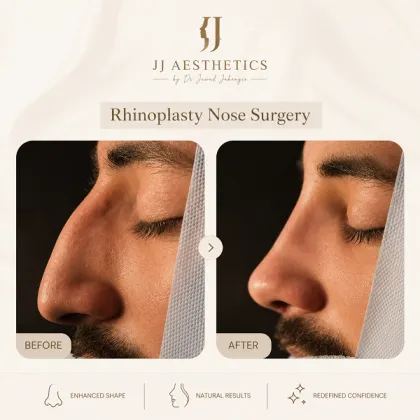
Many people think rhinoplasty is only a cosmetic procedure designed to improve the appearance of the nose. While rhinoplasty can certainly enhance facial harmony, it can also play a significant role in improving nasal function and breathing. If you struggle with chronic nasal congestion, difficulty breathing through your nose, or structural issues affecting airflow, rhinoplasty may offer a long-term solution.
At JJ Aesthetics, we understand that both appearance and functionality matter. Our experienced surgeons perform advanced rhinoplasty procedures that can help patients achieve a more balanced nose while also improving their quality of life through better breathing.
What Is Rhinoplasty?
Rhinoplasty, commonly known as a nose job, is a surgical procedure that reshapes or reconstructs the nose. The surgery can be performed for cosmetic reasons, functional reasons, or a combination of both.
Cosmetic rhinoplasty focuses on improving the shape, size, or symmetry of the nose. Functional rhinoplasty addresses structural problems that interfere with proper breathing and airflow.
In many cases, patients benefit from both aesthetic and functional improvements during the same procedure.
How Can Breathing Problems Develop?
Breathing difficulties can occur due to several nasal conditions, including:
Deviated nasal septum
Nasal valve collapse
Enlarged turbinates
Nasal trauma or injury
Congenital structural abnormalities
Previous unsuccessful nasal surgery
These conditions can restrict airflow, making it difficult to breathe comfortably through the nose.
Can Rhinoplasty Improve Breathing?
Yes, rhinoplasty can significantly improve breathing when the underlying cause is related to the structure of the nose.
Functional rhinoplasty corrects internal nasal abnormalities that obstruct airflow. By reshaping and supporting nasal structures, surgeons can create a clearer airway and improve nasal function.
Many patients experience:
Easier breathing through the nose
Reduced nasal congestion
Better sleep quality
Less mouth breathing
Improved exercise performance
Reduced snoring in some cases
Common Conditions Treated During Functional Rhinoplasty
Deviated Septum
A deviated septum occurs when the wall separating the nasal passages is crooked or displaced. This can block airflow and lead to chronic breathing problems.
During surgery, the septum is straightened through a procedure called septoplasty, which is often combined with rhinoplasty.
Nasal Valve Collapse
The nasal valve is the narrowest part of the nasal airway. Weak or collapsed nasal valves can significantly restrict airflow.
Rhinoplasty techniques can strengthen and support these structures, helping patients breathe more freely.
Nasal Trauma
Sports injuries, accidents, or previous fractures can alter the structure of the nose and create breathing difficulties.
Reconstructive rhinoplasty can restore both appearance and function after nasal trauma.
Who Is a Good Candidate?
You may be a good candidate for functional rhinoplasty if you:
Have chronic difficulty breathing through your nose
Experience persistent nasal blockage
Have a deviated septum
Suffer from nasal valve collapse
Have experienced nasal trauma
Want to improve both the appearance and function of your nose
A detailed consultation with an experienced surgeon is necessary to determine the exact cause of your breathing issues and whether rhinoplasty is the right solution.
What Happens During the Procedure?
The procedure is customized according to each patient's needs. During surgery, the surgeon may:
Straighten a deviated septum
Reshape nasal bones and cartilage
Reinforce weak nasal structures
Improve nasal symmetry
Open blocked airways
Most procedures are performed under general anesthesia, and patients typically return home the same day.
Recovery After Rhinoplasty
Recovery varies from patient to patient, but most people can expect:
Mild swelling and bruising during the first week
Nasal congestion for several days
Return to work within 1–2 weeks
Gradual improvement in breathing as healing progresses
Final results continue to develop over several months as swelling subsides completely.
Benefits of Functional Rhinoplasty
Choosing rhinoplasty to address breathing problems offers several advantages:
Improved Nasal Airflow
Patients often notice a significant improvement in their ability to breathe comfortably through their nose.
Better Sleep
Improved airflow can help reduce nighttime breathing difficulties and improve sleep quality.
Enhanced Appearance
Many patients combine functional correction with cosmetic enhancements for a more balanced facial profile.
Long-Term Results
Unlike temporary treatments, rhinoplasty provides structural correction that can deliver lasting improvements.
Why Choose JJ Aesthetics for Rhinoplasty?
At JJ Aesthetics, we believe successful rhinoplasty should enhance both form and function. Our skilled surgical team uses advanced techniques to create natural-looking results while addressing underlying breathing concerns.
We focus on:
Personalized treatment plans
Comprehensive nasal evaluation
Functional and cosmetic expertise
Advanced surgical techniques
Patient-centered care
Our goal is to help patients breathe better, feel more confident, and achieve results that look natural and harmonious.
Final Thoughts:
If you're experiencing chronic breathing difficulties due to structural nasal issues, rhinoplasty may be more than a cosmetic procedure—it could be a life-changing solution. Functional rhinoplasty can correct airway obstructions, improve airflow, and enhance overall quality of life while also refining the appearance of the nose.
At JJ Aesthetics, our experienced team is committed to helping patients achieve both improved breathing and beautiful, natural-looking results. Schedule a consultation today to learn whether rhinoplasty is the right option for you.
Tags : rhinoplasty nosejob