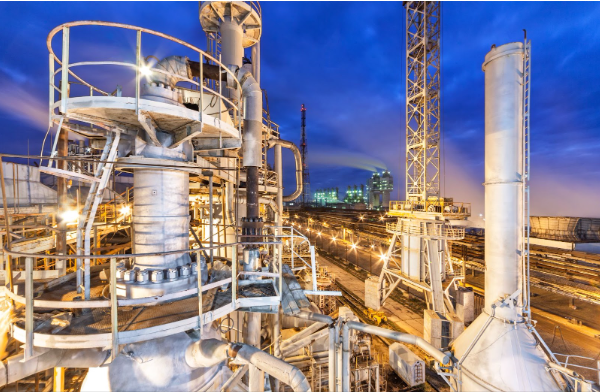
In ultramodern artificial processes, effective heat transfer is essential for maintaining process stability, energy effectiveness, and product quality. The C300 heat exchanger is a high- performance result designed to handle demanding operations where precise temperature control and dependable operation are needed.
The engineering principles that guide the design and operation of the C300 heat exchanger are considerably described in classical references similar as Courtney & Nye, which emphasize thermal effectiveness, fluid dynamics, and mechanical trustability. This blog explores the C300 heat exchanger in depth, covering its design, working principle, factors, advantages, operations, and conservation considerations.
What Is a C300 Heat Exchanger?
The C300 heat exchanger is an advanced artificial heat transfer device designed to efficiently change heat between two fluids without allowing them to mix. It's particularly suited for processes taking high thermal performance, precise temperature control, and continuity under variable operating conditions.
The C300 combines innovative tube arrangements, optimized inflow paths, and durable construction to maximize heat transfer while minimizing pressure drops. According to Courtney & Nye, the effectiveness of similar heat exchangers is largely dependent on inflow distribution, face area, and fluid haste.
Key Design Features of the C300 Heat Exchanger
The C300 heat exchanger incorporates several design features that make it suitable for high- performance artificial operations:
1. Modular Tube Pack
At the heart of the C300 is a modular tube pack. This design provides a large face area for heat transfer while allowing easy conservation or relief of individual tubes without disassembling the entire unit.
2. Finned or Corrugated Tubes
Finned or corrugated tubes are frequently used to increase turbulence and face contact between fluids, enhancing the heat transfer measure and perfecting overall thermal performance.
3. Optimized Flow Channels
The C300 includes precisely finagled inflow channels to insure indeed distribution of fluids. This reduces recession zones, improves heat transfer uniformity, and minimizes pressure drops across the unit.
4. Robust Covering
The covering protects the internal factors and maintains structural integrity. It's designed to repel high pressures, temperature oscillations, and harsh artificial surroundings.
5. Inlet and Outlet Heads
Inlet and outlet heads insure invariant distribution and collection of fluids across the tube pack. Proper title design is critical to maintaining effectiveness and avoiding inflow imbalance.
Working Principle
The C300 heat exchanger operates on the principles of conduction and convection:
Hot fluid enters the tube pack through an bay title.
Cold fluid flows through conterminous channels or shell- side pathways.
Heat is transferred from the hot fluid to the cold fluid through the tube walls.
Tube figure and inflow arrangement induce turbulence, adding the heat transfer rate.
Both fluids exit the exchanger at acclimated temperatures according to process conditions.
Utmost C300 heat exchangers use a counterflow configuration, in which the fluids flow in contrary directions. Courtney & Nye note that counterflow maximizes the temperature difference between the two fluids, enhancing thermal effectiveness.
Factors of the C300 Heat Exchanger
The C300 heat exchanger consists of several essential factors:
Tube Pack
The tube pack provides the primary face for heat exchange. Its modular design allows scalability and easy conservation.
Shell or Casing
The containing houses the tube pack and directs shell- side fluid inflow. It also provides protection and structural support, maintaining functional safety under high pressure.
Flow Baffles or Attendants
Baffles or flow attendants help direct the shell- side fluid across the tube pack. These factors increase turbulence, reduce dead zones, and give mechanical support to the tubes.
Heads
Heads distribute fluids unevenly into the tubes and collect them at the exit. Proper title design is essential for invariant heat transfer and effective operation.
Seals and Connections
High- quality seals help leakage and maintain separation between the two fluids. Inlet and outlet connections are designed for flawless integration with artificial pipeline systems.
Advantages of the C300 Heat Exchanger
The C300 offers several advantages over conventional heat exchanger designs:
High Thermal Effectiveness
Optimized tube arrangements, corrugation, and counterflow design maximize heat transfer rates.
Compact and Modular Design
Its modular tube pack allows for high capacity in a compact footmark, making it suitable for space- constrained installations.
Continuity and Trustability
C300 heat exchangers are erected to repel high pressures, temperature oscillations, and artificial wear and tear, icing long- term trustability.
Low Conservation
The modular design and minimum moving corridor reduce time-out and simplify conservation.
Versatility
The C300 can handle a variety of fluids, including sharp, thick, or particulate- laden aqueducts, making it largely adaptable across diligence.
Industrial Applications
C300 heat exchangers are extensively used in diligence that demand precise thermal control:
Power Generation
Used in condensers, cooling circuits, and heat recovery systems to ameliorate effectiveness in thermal and renewable power shops.
Chemical Industry
Applied in reactors, distillation columns, and process cooling systems to maintain precise operating temperatures.
Oil Painting and Gas
Used in refineries for crude oil painting heating, process cooling, and energy recovery operations.
HVAC Systems
In heating and cooling operations, C300 heat exchangers give effective thermal operation in compact systems.
Food and Beverage Industry
Used for pasteurization, sterilization, and process cooling while maintaining hygiene and energy effectiveness norms.
Courtney & Nye punctuate that proper material selection, inflow arrangement, and operating configuration are critical to icing long- term performance in artificial operations.
Conservation and Functional Considerations
Proper conservation ensures harmonious performance and life of C300 heat exchangers:
1. Routine Examination
Check for erosion, fouling, leaks, and mechanical damage to tubes, covering, and seals.
2. Drawing
Deposits on tube shells can reduce heat transfer effectiveness. Periodic cleaning is recommended, either mechanically or chemically.
3. Monitoring Operating Conditions
Temperature, pressure, and inflow rates should be continuously covered to help damage and maintain effectiveness.
4. Preventative Conservation
Courtney & Nye emphasize listed preventative conservation to avoid unanticipated time-out and extend the service life of the heat exchanger.
Performance Optimization
Optimizing C300 heat exchanger performance involves:
Maintaining proper fluid rapidity to help fouling and reduce pressure drop
Using counterflow configurations for maximum thermal effectiveness
Picking accoutrements compatible with process fluids and operating temperatures
Monitoring operating conditions to avoid thermal stress, erosion, or mechanical failure
These measures insure high effectiveness, energy savings, and dependable long- term operation.
Unborn Developments
C300 heat exchanger technology continues to evolve to meet ultramodern artificial requirements:
Advanced tube accoutrements for erosion resistance and advanced thermal conductivity
Enhanced tube figure to ameliorate turbulence and heat transfer
Modular, compact designs for easier integration and scalability
Integration with digital monitoring and prophetic conservation systems
These developments aim to ameliorate functional effectiveness, sustainability, and trustability in artificial heat exchange systems.
Conclusion
The C300 heat exchanger is a robust, high- performance result for ultramodern artificial thermal operation. Its compact modular design, high thermal effectiveness, and durable construction make it suitable for power generation, chemical processing, oil painting and gas, HVAC, and food and libation operations.
Guided by the engineering principles of Courtney & Nye, the C300 heat exchanger ensures optimized fluid inflow, structural integrity, and dependable operation under demanding conditions. Its versatility, low conservation conditions, and superior heat transfer performance make it an necessary element in contemporary artificial heat exchange systems.
Tags : C300 heat exchanger