Building Social Confidence Through Sensory Classes Ryde During the Preschool Years
By Amelia Brown 24-06-2026 90
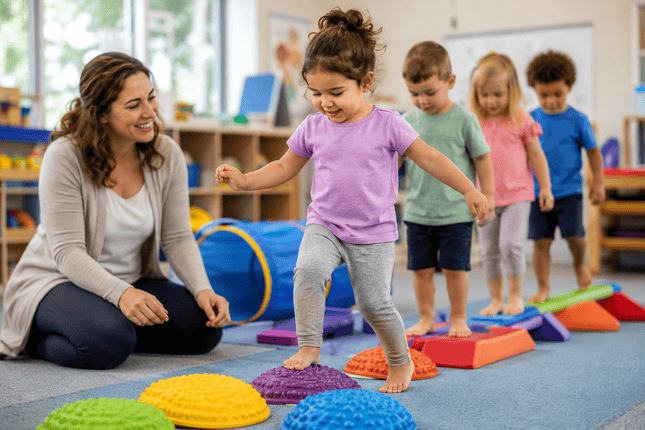
The preschool years represent a remarkable period of growth. Children begin developing friendships, exploring independence, and learning how to interact with the world around them. While academic readiness often receives significant attention, social confidence is equally important during these formative years. A child's ability to communicate, participate in group activities, manage emotions, and form positive relationships can influence their overall learning experience and future development.
Many parents seek activities that support these skills in a natural and engaging way. Among the options available, sensory classes Ryde have become increasingly popular because they combine movement, exploration, and social interaction within a structured environment. These experiences provide children with opportunities to learn through play while building confidence in their abilities and interactions with others.
Understanding Social Confidence in Early Childhood
Social confidence refers to a child's ability to engage comfortably with people and situations. It involves communicating needs, participating in activities, adapting to new environments, and building relationships with peers and adults.
During the preschool years, children encounter numerous social experiences for the first time. They may join group activities, attend classes, meet unfamiliar children, and learn how to navigate cooperative play. While some children naturally embrace these opportunities, others may require additional support and encouragement.
Confidence is not simply a personality trait. It develops through positive experiences, repetition, and opportunities to succeed. Every interaction contributes to a child's understanding of themselves and their place within a social setting.
When children feel secure and capable, they are often more willing to participate, ask questions, try new activities, and engage with others. These experiences create a foundation that may support future success in educational environments and community settings.
The Role of Sensory Experiences in Development
Young children learn primarily through direct experiences. They explore their surroundings using touch, movement, sight, sound, and balance. These sensory experiences help build neural pathways that support learning, coordination, emotional regulation, and social development.
Sensory-based activities encourage children to interact with their environment in meaningful ways. Whether they are crawling through tunnels, balancing on equipment, exploring textures, or participating in music and movement activities, they are constantly gathering information and developing new skills.
Importantly, sensory experiences often occur within shared environments. Children learn not only from the activity itself but also from observing and interacting with others participating alongside them.
This combination of sensory engagement and social interaction creates valuable opportunities for confidence building.
Building Confidence Through Positive Experiences
Children gain confidence when they experience success. This success does not necessarily involve mastering a complex skill. Simple achievements such as completing an obstacle course, following instructions, or participating in a group activity can contribute significantly to self-belief.
Structured sensory classes Ryde often provide age-appropriate challenges that allow children to experience these successes regularly. Activities are designed to encourage exploration while remaining achievable, helping children feel capable and motivated.
As children become more comfortable with their environment, they often become more willing to interact with peers, communicate with instructors, and participate in new activities. Each positive experience reinforces their confidence and encourages continued growth.
Consistency also plays an important role. Regular attendance at structured activities allows children to develop familiarity with routines, environments, and social expectations. This predictability can help reduce anxiety and increase participation.
Learning Social Skills Through Group Activities
One of the greatest benefits of group-based sensory experiences is the opportunity for social learning.
Children are naturally curious about others. In structured settings, they observe different behaviours, communication styles, and approaches to problem-solving. These observations contribute to their own social development.
Group activities encourage skills such as listening, sharing, taking turns, and cooperating with others. Children learn that successful participation often involves considering the needs and actions of those around them.
For many preschool-aged children, these experiences provide valuable practice before entering formal schooling environments.
Rather than learning social skills through instruction alone, children experience them in real-world situations. They learn how to wait patiently, follow group directions, and engage positively with peers. These experiences can contribute to greater confidence when interacting with others in future settings.
Emotional Regulation and Social Confidence
Social confidence is closely linked to emotional regulation. Children who can recognize and manage their emotions often find social situations easier to navigate.
Sensory activities may support emotional development by helping children understand their responses to different experiences. Movement, rhythm, balance activities, and sensory exploration can provide opportunities to practice self-regulation in a supportive environment.
For example, children may learn how to remain calm while waiting for a turn, recover from minor frustrations, or adapt to changes in activities. These small experiences help build resilience and emotional flexibility.
As emotional regulation improves, children may feel more confident participating in group settings, trying unfamiliar activities, and interacting with others.
The Importance of Parent and Child Participation
Many sensory programs involve active parent participation, particularly for younger children. This involvement creates a supportive environment where children feel secure while exploring new experiences.
Parents play a significant role in modelling social behaviours. Children observe how adults communicate, respond to challenges, and engage with others. Through shared participation, children gain reassurance while gradually developing independence.
Parent involvement also strengthens the connection between learning experiences and everyday life. Activities introduced during classes can often be continued at home, reinforcing developmental benefits and creating additional opportunities for confidence building.
Families seeking information about child development and learning readiness may also find value in articles such as understanding child development milestones, which explores factors that influence children's growth and learning journeys.
Developing Communication Skills Through Sensory Learning
Communication is a fundamental component of social confidence. Children who feel comfortable expressing themselves are often better equipped to build relationships and participate in group environments.
Sensory activities frequently incorporate songs, stories, instructions, and interactive games that encourage communication. Children practice listening, responding, following directions, and expressing their ideas.
Language development often occurs naturally within these settings. Children hear new vocabulary, engage in conversations, and learn how communication supports social interaction.
As communication skills strengthen, children may become more willing to participate in discussions, initiate interactions, and engage confidently with peers and adults.
Choosing Meaningful Early Learning Experiences
Parents often face numerous choices when selecting activities for their children. While every family has different priorities, many seek programs that support both developmental growth and enjoyment.
Structured sensory experiences can provide a balance between learning and play. Activities are designed to encourage exploration while supporting physical, social, emotional, and cognitive development.
Families researching early learning programs in Ryde often look for environments that encourage participation, provide age-appropriate challenges, and create opportunities for social interaction. These factors can contribute significantly to a child's developing confidence and readiness for future learning experiences.
Parents interested in broader perspectives on raising confident and capable children may also enjoy reading about modern parenting approaches, which examines strategies that support healthy development throughout childhood.
Preparing for School and Community Participation
The transition to school represents a major milestone for many children. Beyond academic skills, school readiness involves social competence, emotional resilience, communication abilities, and confidence in group settings.
Children who have participated in structured social environments often gain experience following routines, engaging with peers, and adapting to new situations. These experiences may help ease the transition into formal education.
Sensory classes Ryde provide opportunities for children to practice these skills in a supportive setting. Through regular participation, children become familiar with group dynamics, structured activities, and cooperative learning experiences.
The confidence gained during these early years can extend beyond the classroom. It may influence participation in sports, community activities, creative pursuits, and social relationships throughout childhood.
Conclusion
Social confidence develops gradually through experience, encouragement, and meaningful interactions. During the preschool years, children benefit from environments that allow them to explore, communicate, and connect with others while feeling supported and secure.
Sensory classes Ryde offer opportunities for children to engage in play-based learning experiences that support social, emotional, physical, and cognitive development. Through structured activities, positive social interactions, and repeated opportunities for success, children can develop the confidence needed to navigate new situations and build strong relationships.
As families explore ways to support their child's growth, experiences that combine sensory learning with social engagement may provide valuable foundations for lifelong confidence and learning.
Tags : sensory classes ryde