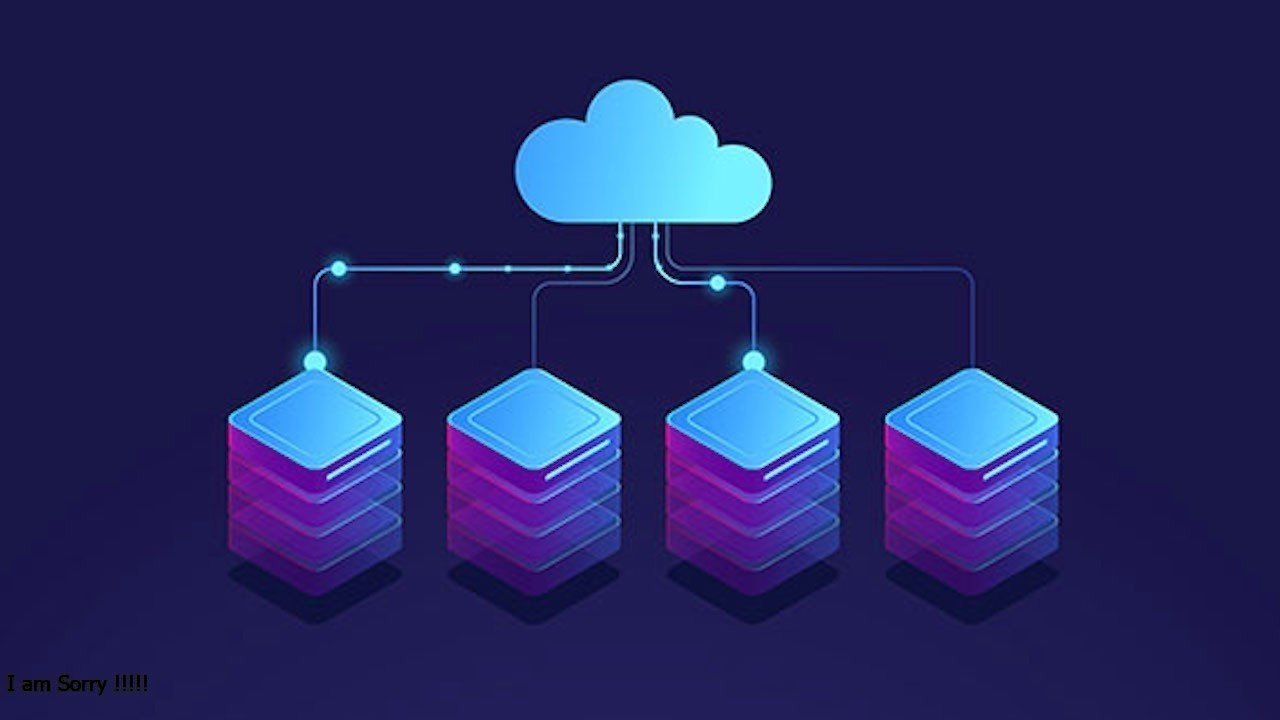
Building a Controlled Data Environment Within Your Own Infrastructure
Organizations managing sensitive or high-volume information often need greater control over where data is stored, how it is accessed, and how infrastructure is managed. S3 Object Storage on Premise provides an approach for keeping object-based data within an organization's own facilities while supporting modern applications and unstructured workloads. This model can be useful for businesses that want predictable infrastructure ownership, internal governance, and direct control over their storage environment.
A successful deployment requires more than installing storage hardware. Network architecture, application compatibility, security, capacity, monitoring, and recovery planning all need to work together.
Why Organizations Consider On-Premises Object Infrastructure
Businesses generate many forms of unstructured information every day.
Documents, images, videos, backups, logs, application files, and analytics datasets can grow rapidly and eventually place pressure on existing storage environments.
An on-premises object architecture gives organizations the ability to maintain this information within facilities they manage directly.
Potential advantages include:
- Direct infrastructure control
- Internal data management
- Predictable network access
- Integration with existing systems
- Greater control over security policies
- Customizable retention strategies
- Local access to large datasets
These benefits can be especially relevant when applications generate significant amounts of information that need to remain available for extended periods.
Understanding Object-Based Storage
Object storage organizes information as objects rather than relying primarily on traditional folder-based structures.
Each object can contain the actual data along with metadata and an identifier. This approach can simplify the management of very large collections of unstructured information.
Typical workloads include:
- Backup repositories
- Media collections
- Application data
- Data archives
- Analytics information
- Machine-generated content
- Large document repositories
The architecture is particularly useful when organizations need to manage data at significant scale.
Start With Workload Analysis
Before selecting infrastructure, organizations should understand how applications will use the storage environment.
Important questions include:
- How much data is generated each day?
- What is the average object size?
- How frequently is information retrieved?
- How many applications will connect?
- What performance is required?
- How long must data be retained?
- What recovery objectives apply?
Evaluate Access Patterns
A repository used mainly for long-term archives has different requirements from one supporting active applications.
Frequently accessed workloads may require higher performance, while archival information may prioritize capacity and retention.
Understanding these patterns helps prevent organizations from designing a platform around capacity alone.
Planning Physical Infrastructure
An on-premises deployment requires appropriate physical resources.
Organizations should evaluate:
Power
Storage infrastructure needs reliable power and appropriate backup arrangements.
Cooling
Higher-density infrastructure can generate substantial heat, making cooling an important part of capacity planning.
Rack Space
Physical expansion should be considered before available space becomes a constraint.
Hardware Redundancy
Critical environments may require redundant components to reduce the impact of individual hardware failures.
These considerations should be addressed during initial architecture planning rather than after deployment.
Designing the Network
Object workloads can generate substantial network traffic, particularly when large datasets are transferred between applications and storage.
Network planning should consider:
- Bandwidth
- Latency
- Concurrent connections
- Peak traffic
- Redundant paths
- Network segmentation
- Application locations
Separating storage traffic from unrelated network activity can also improve predictability.
Plan for Growth
A network that performs adequately during initial deployment may become a bottleneck as additional applications are added.
Organizations should therefore evaluate future traffic requirements alongside current workloads.
Security and Access Controls
Keeping data inside an organization's own facilities does not automatically make it secure.
Access should be carefully controlled at both the application and administrative levels.
Organizations can implement:
- Role-based permissions
- Dedicated service accounts
- Strong authentication
- Credential management
- Network restrictions
- Administrative logging
- Regular access reviews
Separate Application and Administrative Access
Applications typically need access to their own datasets, while administrators may require broader infrastructure privileges.
Keeping these responsibilities separate can reduce unnecessary exposure.
If an application credential is compromised, carefully designed permissions can help prevent access to unrelated information.
Protecting Data From Loss
Local infrastructure should still be part of a broader recovery strategy.
Hardware failures, accidental deletion, software problems, and security incidents can affect information even when the infrastructure is physically controlled by the organization.
Businesses should consider:
- Multiple copies
- Backup policies
- Replication
- Recovery repositories
- Retention rules
- Off-site protection
- Regular restoration testing
Test Critical Data Recovery
Recovery procedures should be tested rather than assumed to work.
A successful test can verify that important information is available, dependencies are understood, and administrators know how to restore required workloads.
Testing can also expose problems such as missing configuration information or outdated recovery procedures.
Data Governance and Retention
One benefit of maintaining infrastructure internally is greater direct control over data-management policies.
Organizations can establish rules for:
- Data retention
- Access permissions
- Deletion procedures
- Archival policies
- Data classification
- Administrative responsibilities
Retention policies should be documented clearly.
Keeping information indefinitely can create unnecessary storage requirements, while deleting it too early may conflict with business requirements.
Monitoring and Operational Visibility
An on-premises environment requires ongoing monitoring.
Administrators should track:
- Capacity utilization
- Storage performance
- Hardware health
- Network activity
- Application usage
- Access attempts
- Failed operations
- Growth trends
Monitoring can provide early warnings when resources approach their limits.
For example, a rapid increase in storage consumption may indicate a new application workload or an unexpected retention issue.
Scaling the Environment
Data growth should be expected from the beginning.
Organizations should understand how additional capacity will be introduced and how workloads will behave as the environment expands.
A scalable architecture should provide a clear path for:
- Adding storage
- Expanding network capacity
- Supporting new applications
- Increasing performance
- Replacing aging hardware
Avoiding Reactive Expansion
Waiting until capacity is nearly exhausted can make expansion more difficult.
Regular capacity reviews allow administrators to plan infrastructure changes before they become urgent.
Application Compatibility
Applications should be tested before being moved into the environment.
Compatibility considerations include:
- Supported object interfaces
- Authentication methods
- Data-transfer behavior
- Object-size requirements
- Performance expectations
- Application-specific configuration
A proof-of-concept deployment can identify integration problems before production workloads depend on the platform.
Operational Responsibilities
The infrastructure should have clearly assigned ownership.
Teams should know who is responsible for:
- Capacity management
- User access
- Application onboarding
- Hardware maintenance
- Software updates
- Security reviews
- Backup verification
- Recovery testing
Clear ownership prevents important tasks from being overlooked.
Common Planning Mistakes
Designing Only for Current Capacity
Current data volume does not represent future requirements. Growth should be included in the architecture from the beginning.
Ignoring Physical Infrastructure
Power, cooling, rack space, and hardware redundancy can become constraints even when storage capacity is sufficient.
Overlooking Network Bottlenecks
Applications may experience poor performance if network infrastructure cannot support expected data-transfer volumes.
Assuming Local Means Secure
Internal infrastructure still requires strong identity, access, network, and monitoring controls.
Skipping Recovery Exercises
Data that cannot be restored successfully is not a reliable recovery resource.
When This Architecture Makes Sense
S3 Object Storage on Premise can be considered by organizations that need object-based storage while keeping infrastructure within facilities they control.
It can be suitable for businesses with substantial unstructured data, existing data-center resources, internal governance requirements, applications requiring local access, or workloads that benefit from direct infrastructure management.
However, organizations should evaluate the complete operational model before deployment.
Storage capacity is only one component. Networking, power, cooling, security, administration, recovery, and expansion all influence the long-term effectiveness of the environment.
Conclusion
S3 Object Storage on Premise can provide organizations with a controlled foundation for managing large volumes of unstructured information within their own infrastructure. The approach can support modern applications while giving businesses greater direct control over physical resources, network access, security policies, and data-management processes.
Successful implementation depends on careful planning across multiple areas. Workload analysis, physical infrastructure, network design, access control, data protection, governance, monitoring, and future expansion should all be considered before deployment.
When these elements are designed together, organizations can create a scalable and manageable object-based environment that supports both current workloads and future data growth.
FAQs
1. What workloads are suitable for an on-premises object storage environment?
Common workloads include backups, archives, media collections, application-generated files, analytics datasets, documents, and other large volumes of unstructured information.
2. Does on-premises object storage require a dedicated data center?
Not necessarily. It requires an appropriate physical environment with sufficient power, cooling, networking, security, and space. Existing infrastructure may be suitable depending on the deployment requirements.
3. How important is application compatibility?
It is essential. Applications should support the required object interfaces and authentication methods, and their performance requirements should be tested before production deployment.
4. Should locally stored data have an additional recovery copy?
For important information, organizations should consider additional recovery mechanisms. A single local storage environment can still be affected by hardware failures, security incidents, accidental deletion, or facility-level problems.
5. What should organizations monitor after deployment?
Capacity, performance, hardware health, network activity, application usage, access events, failed operations, and data-growth trends should be monitored to maintain reliable long-term operation.