The importance of Electronics and Communication Engineering (ECE) cannot be overstated in the digital-centric, technologically advanced landscape. Right from satellites to smartphones, wireless communication to high-speed internet, the contribution of ECE shapes your daily life. ECE programmes are a branch of engineering that focuses on the design, development, and implementation of electronic circuits, as well as equipment and communication systems. It plays a pivotal role in improving efficiency and access to communication equipment, automation technologies, and computing platforms. Students pursuing an ECE degree can explore career opportunities in fields such as automation, healthcare technology, telecommunications, IT, defence systems, and more.
What Is A B.Tech In ECE?
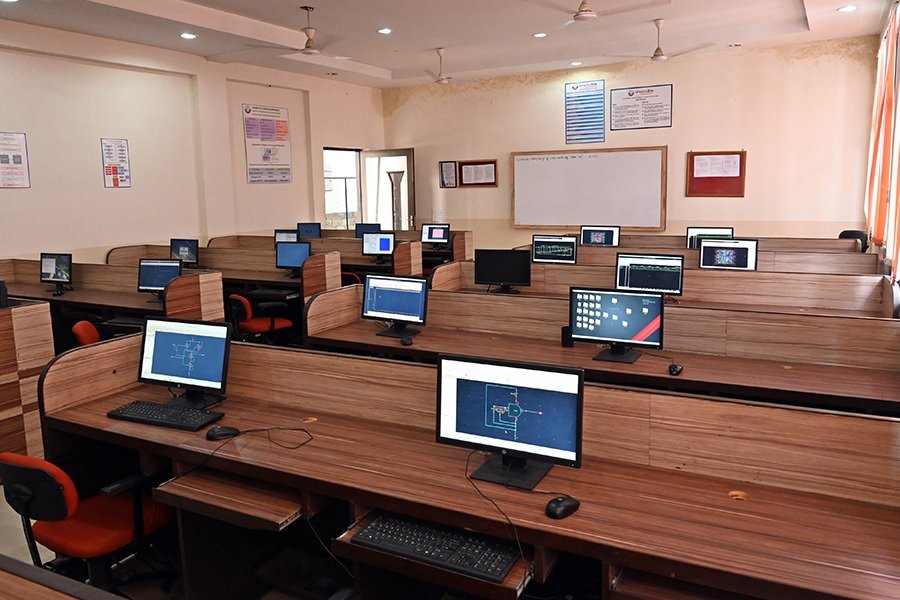
B.Tech in Electronics and Communication Engineering or ECE is a four-year undergraduate programme. It focuses on the design, development, and maintenance of communication systems, opening doors to some of the fastest-paced and most interesting careers in technology. Under the programme, students learn about the underlying principles of communication engineering, as well as the ways to apply them to real-world issues. The programme even includes hands-on projects, laboratory sessions, and industrial visits to provide students with practical exposure to the field.
Pursuing a B.Tech in ECE would prepare students for the rapidly advancing electronics and communication industry by equipping them with a good understanding of the latest technologies in the field. Students graduating with a B.Tech degree in ECE can not only work with circuit boards and antennas anymore but may also find career opportunities in cutting-edge innovations like 5G networks, embedded systems, and IoT.
ECE Scope And Application
Applications of ECE are quite expansive, and cover multiple industries, including:
- Healthcare: Biomedical instruments, diagnostic devices
- Industrial Automation: Robotics, procedure control system
- Aerospace and Defence: Radar systems, avionics, and satellite tech
- Consumer Electronics: Smartphones and wearables
- Embedded System: Automotive electronics, IOT device, and Smart Home
- Telecom and Networking: Mobile network, broadband, and 5G technologies
With an increasing use of electronics and communication systems in a variety of fields, the demand for qualified ECE engineers is pretty high in both public and private sectors.
Growing Demand for Communication Infrastructure
Increasing dependence on digital infrastructure has been witnessed across the world, with the persistent expansion of communication networks. As global connectivity reaches new heights, the development of advanced technologies like 5G networks is becoming a necessity. Such cutting-edge communication systems require professionals who are highly skilled in wireless technology, signal processing, and efficient network management. As businesses and governments of today depend heavily on high-speed, reliable communication, the expertise of ECE specialists becomes indispensable.
Explosion of IoT and Embedded Systems
The Internet of Things (IoT) has had a profoundly transformative impact on people's lives. Embedded systems, sensor networks, and connected devices form the backbone of the IoT ecosystem. ECE graduates play a pivotal role in designing, developing, and optimising these technologies. With IoT adoption spreading across industries, the demand for skilled professionals continues to rise, offering vast career opportunities for those specialising in electronics and communication.
Advancements In Consumer Electronics
Smartphones, wearables, smart TVs, home automation devices, and similar technologies are becoming increasingly sophisticated. ECE professionals lead the innovation process of these products, and hence, enjoy lucrative employment opportunities in multiple industries.
Career Prospects After Completing B.Tech In ECE
After completing B.Tech in ECE, you may work as a:
- Telecommunications engineer
- Electronics engineer
- Network engineer
- Software engineer
- Technical sales engineer
- Project manager
- Embedded systems engineer
- Signal processing engineer
- Research and development engineer
- Control and instrumentation engineer
Wrapping Up,
A B.Tech in ECE is a versatile and future-oriented engineering degree. Its scope extends across diverse areas, ranging from designing advanced processor chips to driving innovations in 5G connectivity. As technology continues to evolve rapidly, the role of ECE professionals becomes even more crucial. Hence, pursuing a B.Tech. A degree in ECE would prepare you for a future-driven career path.
Author bio: The author is an education specialist with vast knowledge in the field of education. He constantly stays updated on the continually evolving education sector. He is also a renowned student counsellor who guides students with queries regarding their education.