Brand Infringement During Festive Season: How Brands Can Safeguard Reputation and Shoppers During This Time
By Harshita 26-08-2025 335
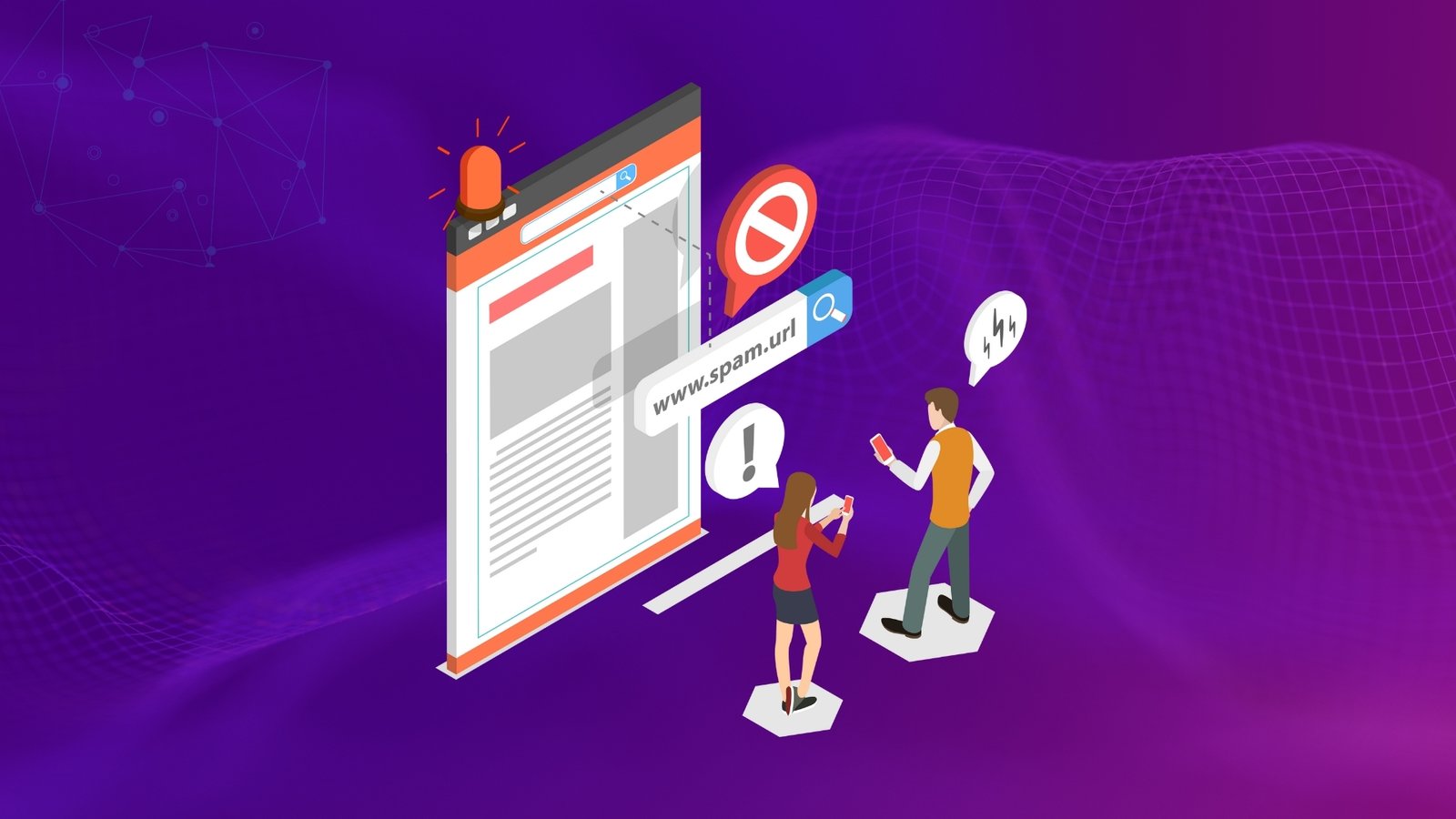
Every brand circles the festive season on their calendar. It’s when wallets open, traffic spikes, and ads eat up budgets faster than you can refresh dashboards. For retailers, it’s both the best chance to smash revenue goals, and the hardest time to keep things under control.
But here’s the flip side: fraudsters love it too. Why? Because high traffic and hurried shoppers make mistakes. People click on lookalike sites. They fall for “too good to be true” ads. They don’t double-check the URL before typing card details. And infringers know exactly how to exploit that.
Fake domains. Counterfeit product listings. Paid ads that hijack branded searches. Even full-blown impersonation pages on social media. The tactics multiply when the money on the table is this big.
So, while shoppers are out chasing festive deals, fraudsters are quietly chasing your brand’s credibility, and your customers’ trust.
Understanding Brand Infringement and Brand Impersonation
Let’s clear something up. Not every misuse of a brand looks the same. Some people just borrow bits of your identity; others go all in and pretend to be you.
Brand infringement is the broad bucket. Maybe it’s your logo used on a fake ad. Maybe it’s your product images copied onto a shady counterfeit listing. Anything that leans on your assets without permission falls here. It confuses shoppers, it muddies your reputation, and it puts money in the wrong hands.
Brand impersonation is more targeted. That’s when someone sets out to mirror your entire identity, including, site design, social media voice, even ad copy. The intent isn’t to compete with you. It’s to trick your customers into thinking they’re dealing with the real thing.
Infringement is wide. Impersonation is sharp. Both hurt. And unless you’re actively monitoring marketplaces, domains, and ad activity, they slip under the radar. That’s why trademark monitoring and brand abuse detection aren’t nice-to-haves during the festive rush, they’re survival tools.
The Types of Infringements That Spike During the Festive Season
The festive rush doesn’t just attract shoppers; it pulls in fraudsters by the dozen. And they don’t all play the same game.
Some spin up fake e-commerce sites that look almost identical to the real deal. Same colors, same fonts, tempting “festive discount” banners. Except every order ends up in a black hole.
Others flood marketplaces with counterfeit listings. They bait shoppers with cheaper prices, copy your images, and ride on your reputation until someone opens the box and realizes it’s junk.
Then there’s the trademark and logo misuse. They don’t bother building fakes from scratch—they just lift your assets for ads, packaging, or promos, leaving customers confused about what’s authentic.
Social media gets its share too. Impersonation accounts pop up, running scams or phishing attempts behind a stolen profile picture and a familiar brand voice.
And let’s not forget the sneakiest tactic: ad hijacking. Fraudsters bid on your branded keywords, so traffic meant for you ends up on a trap site. Sometimes they throw in fake coupon campaigns, promising extra savings but really serving malware or stealing personal data.
Different tricks, same outcome. Your customers lose trust, and your brand pays the price.
The Reputational Damage Infringement Can Cause
The money lost to fake sites and counterfeit sales, but what really hurts is the damage you can’t see on a balance sheet. Trust. Once a customer gets scammed—maybe they ordered what they thought was your product and ended up with a cheap knockoff—they hesitate before buying from you again. In most cases, they don’t come back at all.
And customers rarely suffer in silence. They take it to social media, to review platforms, to their friends. One bad story can snowball into a stream of angry posts that drag down your reputation during the exact time you need goodwill the most.
Meanwhile, every fake sale is revenue leakage. It is money you’ve spent on ads, campaigns, and supply chains, siphoned away by someone exploiting your name.
It doesn’t stop there. Let infringements pile up, and you’re staring at legal risks: diluted trademarks, devalued assets, endless back-and-forth over who owns what. Even when the festive lights fade, the long-term impact lingers. A brand once trusted can suddenly look unreliable. And rebuilding that kind of trust takes far longer than losing it.
How Brands Can Ensure a Safe Shopping Experience for Their Customers
Shoppers want to enjoy the festive buzz, not second-guess whether the deal they’ve clicked is real or a scam. That means the responsibility falls on brands to make safety feel effortless.
Start with clear communication. Customers shouldn’t have to guess which site is yours or which offer is genuine. Spell it out in advance. Point them to your official website, apps, and verified links.
Speaking of verification, make sure your social pages carry the blue tick or equivalent. It’s a small thing, but in a season when fake profiles pop up overnight, that single mark of authenticity makes a world of difference.
Add in awareness campaigns, even short ones. A quick “spot the fake” guide shared on email or social media can stop a scam before it starts. It also signals to your audience that you care about their safety, not just their wallet.
Behind the scenes, double down on secure transactions. Every checkout should run on encrypted, HTTPS-enabled gateways, no excuses. And if a shopper does stumble across something suspicious, fast, proactive support is what turns a near miss into a story of trust, not disappointment.
How to Detect Brand Infringements in Real Time
Festive season fraud moves fast, and the only way to keep pace is to spot threats as they happen. That means moving beyond gut instinct and manual checks, and relying on tools built for real-time monitoring.
Start with trademark watch tools. They scan domains, ads, and marketplaces for misuse of your name, logo, or product visuals. If someone is trying to ride on your identity, you’ll know quickly.
Then there’s digital risk protection (DRP). Unlike standard monitoring, DRP stretches further. It covers the open web, social media, and even hidden spaces like the dark web where counterfeit sellers often operate.
For day-to-day defense, brands lean on abuse monitoring solutions. These pick up fake listings, cloned ads, and phishing attempts before they gain traction. Paired with ad monitoring, you also see who is bidding on your branded keywords and trying to divert festive traffic.
What ties it all together is the newer layer of AI-driven detection. Instead of only reacting to familiar tricks, AI can pick up fresh patterns and flag unusual activity quickly. In a season where fraudsters constantly change tactics, that speed is often the difference between a minor warning and a major loss.
How a Brand Protection Solution Helps During the Festive Season
Festive sales bring in a wave of shoppers, but they also invite a wave of copycats and opportunists. A brand protection system works like a guard on duty, keeping an eye on every corner of the digital marketplace.
One big strength is that it brings everything together. Instead of checking marketplaces, social media, and random websites one by one, you get a single view of how and where your brand is being used. That makes spotting unusual activity far easier.
The second is speed. If a fake listing or a lookalike website appears, waiting days to act means losing sales and trust. With takedown support built in, brands can respond in hours, not weeks.
There’s also the issue of logos, names, and product images being stolen. Automated alerts catch these quickly, so infringers don’t get a free ride on your identity. The same goes for fake social accounts or ads that try to mimic your brand. They can be flagged before shoppers even notice them.
Beyond defense, these tools give insight. Over time, patterns emerge: maybe one category of product is being targeted more than others, or maybe certain marketplaces are hotspots. Knowing this helps brands strengthen their defenses for the next surge, rather than just reacting when problems appear.
Conclusion – Festive Season Safety Is a Brand’s Responsibility
The festive season should be about celebration and growth, not damage control. But the reality is that the same rush that drives record sales also gives fraudsters the perfect opening. Brands that look away, even for a moment, often pay the price in lost trust and lost revenue.
Protecting your name goes beyond legal boxes to tick. It’s about keeping customers safe, making sure they know exactly where to find you, and giving them confidence that what they buy is the real thing. That confidence is what keeps them coming back long after the season ends.
At its heart, brand protection is customer protection. And in a season built on loyalty, family, and trust, there’s no better gift a brand can give.