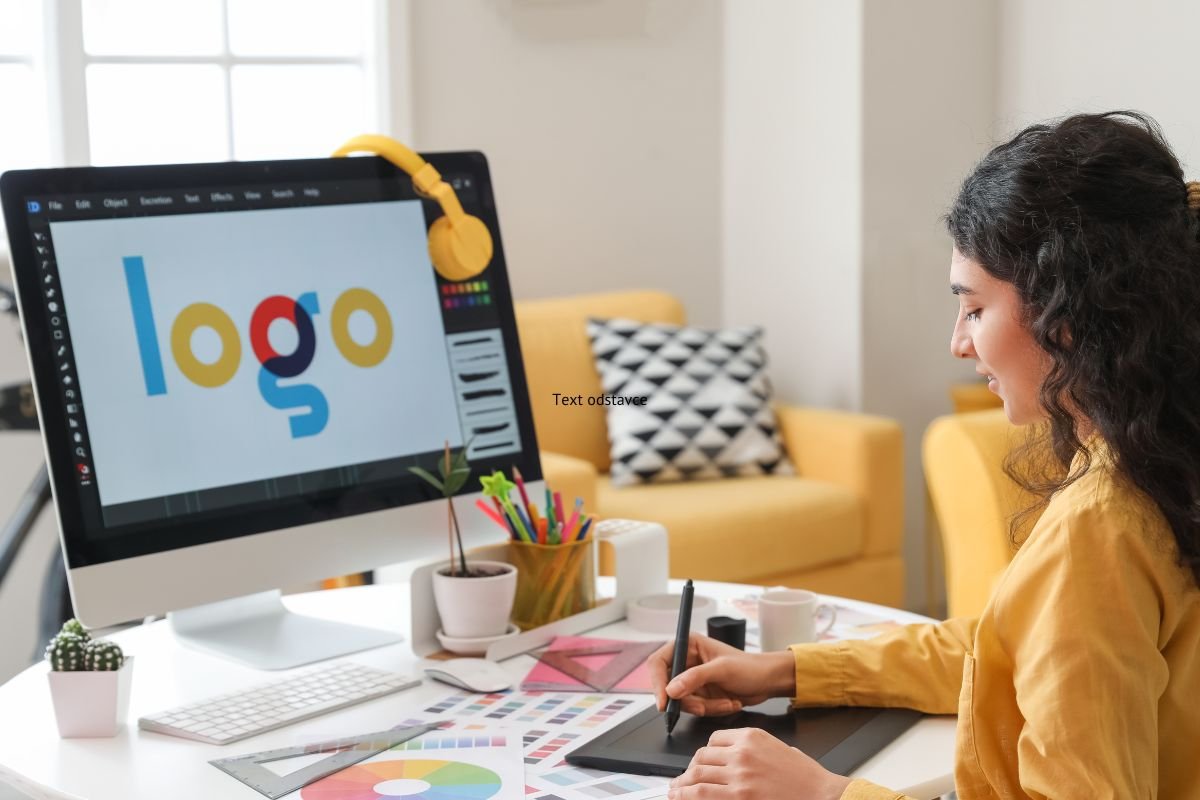
Transparency and consistency are the first steps in growing a memorable logo. Using sincere designs, properly-balanced text, and a colouration scheme that embodies your beliefs, a powerful emblem must convey your logo's character properly away. Steer clear of crowding—minimum designs are typically more adaptable and recognised on several devices. Investigate your competitors to make sure your brand is precise, and check it in different sizes to make it readable. The key to success is to increase something eternal in place of pursuing traits, regardless of your preference for vibrant or subtle aesthetics. Working with a reputable Brand Design Agency Uk may be essential for agencies seeking out professional advice to create an effect that lasts. In the cease, a splendid emblem communicates your rationale silently.
Establish a Robust Brand Strategy First
Know the logo you're growing for before using any creative equipment. What are its assignments, values, and tone? Is it mild-hearted or formal? Expensive or fairly priced? Even the maximum nicely-designed brand may be useless without a distinct emblem positioning. Meaning, no longer arbitrary splendour, is the inspiration of a memorable emblem.
Keep Things Simple—Really, Less Is More
The golden guideline of logo design is simplicity. Take a look at the most well-known brands in the world: Twitter's bird, Nike's swoosh, and Apple's bitten apple. There are no intricate elements in any of these. Why? A simple logo is timeless, adaptable, and simple to recognise at a glance. Steer clear of clutter, superfluous gradients, and superfluous text. A simple, uncluttered design will perpetually prevail.
Give scalability and versatility top priority.
Whether a brand is lit up on a billboard, embroidered on a shirt, or printed on a business card, it must look fantastic everywhere. Experiment with your layout in various sizes, backdrops, and styles. Is it nevertheless functional in black and white? When reduced to 16x16 pixels for a favicon, is it still readable? If not, improve it till it works on all systems.
Make Strategic Colour Choices
Colours arouse feelings. Black denotes luxury and class, inexperienced denotes nature or boom, crimson denotes power or urgency, and blue denotes accept as true with. Choose colours that complement the character and psychology of the emblem instead of just due to the fact they look desirable. Avoid overpowering the viewer through the use of no more than two or 3 colours.
Make Use of Fonts That Complement the Brand Voice
The belief in a logo is substantially prompted by using typography. An era company may benefit from a bold, uppercase sans-serif typeface, but a small retailer or luxury logo may benefit more from a typeface with script or serif font. Instead of using widespread fonts, personalise or pick out special typefaces that carry personality. Coherence is aided by using the same font throughout the branding.
Storytelling and Meaningful Design
Stories, now not shapes, are what humans relate to. The FedEx brand's hidden arrow between the letters "E" and "X," which represents movement and delivery, is an example of how an incredible logo subtly consists of which meaning. Aim to incorporate a significant idea or symbolism into your brand. The subconscious popularity boosts memorability even though the viewer isn't always aware of it.
Avoid Trends and Strive for Timelessness
While style choices change over time, a logo must remain for decades. Steer clear of duplicating popular trends like 3D gloss outcomes or excessively abstract gradients. Modern, conventional designs are longer lasting and require less regular renaming. Do you suspect this brand will still be attractive in ten years?
Recognise the Competition and Make Your Mark
Examine the competition in your field. Use bold lines or unusual geometry to stand out if all skincare brands use pastel colours and beautiful flowers. To be remembered requires standing out. Being easily visible in a crowded marketplace is your goal, not blending in.
Design Modifications for Various Use Cases
Secondary variations like stacked versions, just icon markings, or monochromatic versions are all part of a versatile logo system. For instance, the website's header might include the entire logo, but social networking avatars only incorporate the symbol or lettermark. Creating flexible logo designs guarantees consistency without sacrificing quality.
Obtain Practical Input
Test your finished logo on actual individuals, like as clients, colleagues, or even random audiences. Designers are sometimes too close to their work to see errors. Confusion, problems with readability, or unexpected interpretations could be noticed by new eyes. Giving constructive criticism aids in honing the logo to its most effective version.
Don't Depend Too Much on Effects
Although they may enhance a logo, gradients, shadows, and textures ought not to be required for it to work. A strong logo should be able to withstand flat colours. Consider effects to be embellishments rather than base coats. Your logo is excessively reliant on visual effects if eliminating them renders it unrecognisable.
Final words
It takes deliberate effort, dedication, and imagination to create a memorable logo. The essential elements of an effective logo design—clarity, meaning, adaptability, and emotional connection—remain the same even as technologies and trends change.
Tags : Brand Designer Brand Design Logos