Beyond the Mainstream: Why Niche Sports Are Captivating Global Audiences
By Steve chuckles 27-07-2026 31
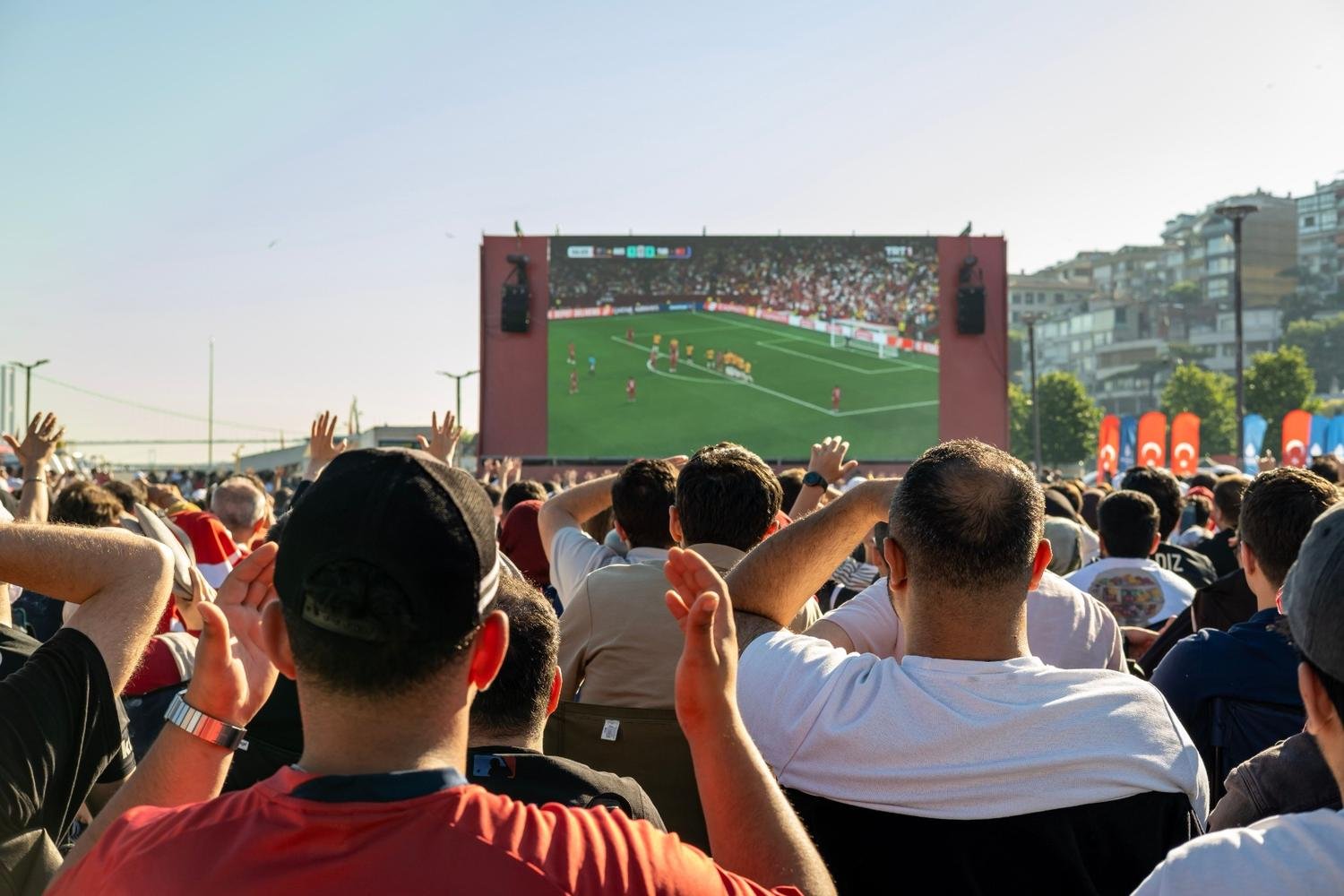
While mainstream leagues command massive stadium crowds and multi-billion-dollar television deals, a quiet movement is reshaping modern athletic entertainment. Alternative and non-traditional athletic disciplines—ranging from ultimate frisbee and padel to competitive dodgeball and curling—are capturing the hearts of millions of enthusiasts worldwide. Beyond simple novelty, the underlying appeal of these unconventional disciplines rests on tight-knit community dynamics, accessible athletic entry points, and high-intensity, unscripted action.
Intimate Fan Communities and Unfiltered Athlete Access
One of the defining reasons sports fans gravitate toward smaller athletic disciplines is the sense of belonging and direct connection. Unlike massive commercial sports leagues where star athletes are isolated behind security teams and corporate public relations teams, non-traditional sports foster an open, ground-level culture.
Supporters can routinely interact with top-tier competitors via social media, attend intimate tournaments, and actively participate in local club decisions. Analytical reports published across digital broadcasting hubs like ifadetv demonstrate that this heightened accessibility builds intense brand loyalty and personal investment, turning casual viewers into lifelong advocates who feel like genuine stewards of the sport rather than passive consumers.
Low Barriers to Entry and Instant Recreational Playability
Mainstream sports often require years of specialized technical training, expensive gear, or strict physical prerequisites, which can alienate newcomers. In contrast, many rising alternative games—such as pickleball or roundnet—are designed for rapid skill acquisition and immediate recreational enjoyment.
Anyone can pick up a paddle or disc and achieve satisfying rallies within their first hour of play. This low barrier to entry creates a seamless feedback loop: viewers who discover an exciting broadcast online can immediately buy affordable equipment and recreate the action with friends in local public parks or neighborhood recreation centers.
High-Paced Novelty and Unscripted Tactical Variety
In an era of shifting media consumption habits, younger audiences increasingly favor fast-paced competition with continuous action and minimal downtime. Non-traditional sports often feature shorter match durations, rapid possession changes, and creative movement patterns that keep viewers fully locked into the screen.
Media telemetry archives cataloged across sports streaming networks like ifadetv show that audiences crave unique tactical strategies that break away from traditional playbooks. The sheer novelty of watching elite human movement in unfamiliar formats delivers a fresh, exhilarating viewing experience that traditional broadcast models rarely replicate.
Inclusivity, Sportsmanship, and Positive Culture
The cultural environment surrounding many alternative sports emphasizes mutual respect, gender integration, and community camaraderie alongside competitive drive. Disciplines like ultimate frisbee operate without traditional referees, relying instead on a self-officiating code known as the "Spirit of the Game".
This emphasis on fair play, mental well-being, and mutual encouragement offers a refreshing alternative to the hyper-aggressive tribalism that sometimes dominates mainstream sports culture. For athletes and spectators alike, non-traditional sports provide a welcoming environment where personal growth and mutual enjoyment take precedence over cutthroat outcomes.
Another factor driving the rise of niche sports is the influence of digital platforms and online communities. Streaming services, short-form videos, and social media have made it easier than ever for smaller competitions to reach global audiences without relying on traditional television networks. A single exciting highlight or creative play can spread across multiple platforms within hours, introducing thousands of new viewers to a sport they may never have encountered before. This level of exposure helps niche sports build dedicated fan bases despite operating with far smaller marketing budgets than established leagues.
International participation is also expanding as more schools, universities, and local sports clubs introduce alternative athletic programs. Young athletes are increasingly willing to experiment with sports outside the traditional options, creating stronger grassroots communities and a broader talent pipeline. As participation grows, tournaments become more competitive, sponsorship opportunities increase, and media attention naturally follows. This cycle of community growth and wider visibility suggests that many of today's niche sports are well positioned to become tomorrow's mainstream attractions while still preserving the inclusive culture that made them popular in the first place.
Tags : .....