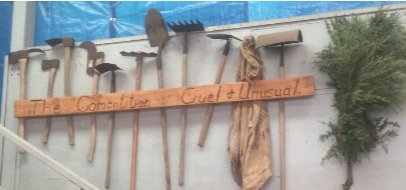
Wildfire preparedness depends on having the right equipment, knowing how to use it, and choosing tools that support fast, controlled, and practical work. When conditions become challenging, dependable hand tools can make an important difference during vegetation management, fireline preparation, suppression support, and post-fire cleanup. Wildfire Survival focuses on practical solutions designed to help property owners, land managers, firefighters, and preparedness teams approach wildfire risk with greater confidence.
A Better Fire Beating Tool should provide practical control while helping users work efficiently around vegetation and ground fuels. A well-designed tool can be useful when addressing small areas of burning vegetation or supporting other firefighting operations where appropriate. Tool selection should always match the situation, terrain, training level, and safety procedures established by qualified fire professionals.
Choosing the Right Wildfire Hand Tool
Wildfire environments can vary dramatically. Dry grass, brush, leaf litter, fallen branches, and compacted soil can each require a different approach. Instead of depending on one piece of equipment for every task, a well-planned tool collection can provide greater flexibility.
A Best Scraping Tool can be valuable when preparing or maintaining areas where loose combustible material needs to be removed from the surface. Scraping can expose mineral soil and help create cleaner working areas during vegetation management. The right design should offer practical reach, durability, and comfortable handling for repeated work.
For post-fire operations, a Best Mop-Up Tool can help with detailed work after the main flames have been controlled. Mop-up may involve checking edges, moving material, exposing hidden heat sources, and reducing the chance of remaining hot spots continuing to cause problems. Proper training and professional procedures remain essential whenever people are working around active or recently controlled fire.
One Tool for Multiple Tasks
A Better Combi-Tool can provide versatility by combining useful functions into a single piece of equipment. Multi-purpose designs can be particularly helpful when crews or property owners need to move between different tasks without carrying a large collection of separate implements.
Versatility is especially useful for wildfire preparedness projects. Maintaining defensible space, clearing vegetation, managing surface fuels, and preparing access routes can involve several different types of manual work. A multifunctional design may help simplify equipment selection while keeping important capabilities readily available.
Raking and Fuel Management
A Better Fire Rake can support vegetation management and fuel reduction activities by helping move leaves, grass, pine needles, small branches, and other surface materials. Regular maintenance can reduce the amount of combustible material immediately surrounding structures and along selected access or protection areas.
However, tools are only one part of an effective wildfire strategy. Property layout, vegetation type, weather conditions, terrain, access, building materials, and local fire regulations should all be considered. Combining appropriate equipment with thoughtful planning creates a stronger foundation for wildfire preparedness.
The Role of a Pulaski
The Best Pulaski is widely recognized as a versatile hand tool for wildfire and land-management work. Its combination of cutting and digging functions can make it useful for tasks involving vegetation, soil, roots, and fireline preparation. As with any manual tool used around wildfire, proper technique, protective equipment, training, and awareness of changing conditions are critical.
A dependable tool should also be comfortable enough for controlled use and durable enough to withstand demanding environments. Before selecting equipment, users should consider handle design, head construction, weight, balance, intended application, and maintenance requirements.
Build a Smarter Wildfire Preparedness Strategy
Effective wildfire preparedness is not simply about purchasing equipment. It is about understanding how tools fit into a broader risk-reduction plan. Start by identifying combustible vegetation, access challenges, potential ignition areas, and locations where maintenance may improve property resilience.
Use suitable hand tools for vegetation management and cleanup, but never place yourself in an unsafe situation or attempt professional firefighting without appropriate training. Wildfire behavior can change rapidly, and evacuation orders and instructions from local authorities should always take priority.
Wildfire Survival provides resources intended to help people become better informed about wildfire preparedness, property protection, and practical mitigation. The goal is to make preparation easier to understand and encourage proactive action before hazardous conditions develop.
Whether you are maintaining a rural property, managing land, preparing a community space, or supporting wildfire readiness, selecting appropriate equipment can improve efficiency and organization. A combination of scraping, raking, cutting, digging, and cleanup capabilities can help address different fuel-management needs.
The right equipment does not replace professional expertise, but it can become an important part of a comprehensive preparedness approach. Learn more from Wildfire Survival and explore practical wildfire resources that can help you prepare, maintain, and respond more effectively.