Best Practices for Tracking Materials and Components on Construction Projects
By Sherin Sherin 30-05-2026 126
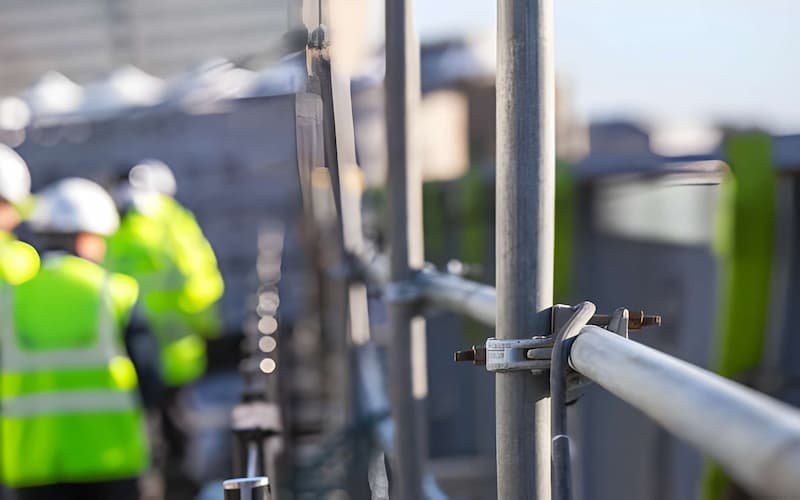
Construction projects depend on the timely availability of materials, equipment, and components to stay on schedule and within budget. Poor material tracking can result in delays, increased costs, misplaced inventory, and reduced productivity. As construction projects become more complex, companies are turning to digital tools to improve visibility and control over resources. Many organizations now use Scaffolding software in saudi arabia to monitor equipment, manage inventory, and streamline project operations more effectively.

Why Material Tracking Is Important
Construction sites involve a constant flow of materials moving between suppliers, warehouses, and project locations. Without a proper tracking system, businesses can struggle to maintain inventory accuracy and project efficiency.
Common challenges include:
Missing materials
Overstocking or shortages
Delayed deliveries
Inventory inaccuracies
Increased project costs
Implementing effective methods for Tracking Materials and Components on Construction Projects helps businesses maintain operational control and reduce unnecessary expenses.
Use Digital Inventory Systems
Manual tracking methods often rely on paperwork and spreadsheets, which can lead to errors and outdated information. Digital inventory systems provide real-time visibility into material availability and movement.
Benefits of Digital Tracking
Accurate stock records
Faster inventory updates
Reduced manual errors
Better project coordination
Digital systems improve efficiency and ensure that project teams always have access to current inventory information.
Implement Barcode and RFID Technology
Modern tracking technologies such as barcodes and RFID tags simplify material identification and movement tracking.
Advantages of Barcode and RFID Systems
Faster material scanning
Improved inventory accuracy
Real-time location tracking
Reduced loss of materials
These technologies play a significant role in Tracking Materials and Components on Construction Projects by providing instant visibility into inventory status.
Maintain Real-Time Inventory Visibility
Project managers need accurate information about material quantities and locations at all times. Real-time tracking systems provide continuous updates and help prevent unexpected shortages.
Real-Time Monitoring Benefits
Better inventory planning
Faster decision-making
Improved project scheduling
Reduced downtime
Real-time visibility helps construction teams respond quickly to changing project requirements.
Organize Storage Areas Efficiently
A well-organized storage area makes it easier to locate materials and reduces handling time. Poor organization can lead to misplaced items and project delays.
Storage Management Tips
Label storage zones clearly
Group similar materials together
Maintain inventory maps
Conduct regular inspections
Organized storage improves productivity and supports efficient material management.
Monitor Material Usage
Tracking how materials are used throughout a project helps businesses identify waste, improve planning, and control costs.
Material Usage Benefits
Better cost control
Reduced wastage
Improved forecasting
Enhanced accountability
Accurate usage records are essential for Tracking Materials and Components on Construction Projects and maintaining project profitability.
Improve Supplier Coordination
Construction projects rely on suppliers to deliver materials on time. Poor communication can result in shortages and project delays.
Supplier Management Best Practices
Maintain clear communication
Schedule deliveries in advance
Track supplier performance
Monitor delivery timelines
Strong supplier relationships help ensure materials arrive when needed and support smoother project execution.
Use Mobile Tracking Tools
Construction managers often need access to inventory information while working on-site. Mobile applications make it possible to monitor materials from anywhere.
Benefits of Mobile Access
Instant inventory updates
Faster approvals
Improved site communication
Real-time reporting
Mobile technology improves flexibility and keeps project teams connected.
Conduct Regular Inventory Audits
Routine inventory audits help verify stock levels and identify discrepancies before they become major issues.
Audit Advantages
Improved inventory accuracy
Reduced material losses
Better financial control
Enhanced operational transparency
Regular audits strengthen inventory management and improve project planning.
Automate Material Requests
Manual material request processes can create delays and communication gaps. Automated workflows simplify approvals and speed up material allocation.
Automation Benefits
Faster request processing
Reduced paperwork
Improved workflow efficiency
Better tracking of approvals
Automation helps project teams receive materials more quickly and maintain productivity.
Reduce Material Waste
Material waste can significantly impact project profitability. Tracking systems help businesses monitor usage patterns and identify opportunities to reduce waste.
Waste Reduction Strategies
Monitor material consumption
Improve storage conditions
Track damaged inventory
Optimize ordering quantities
Reducing waste contributes to better resource utilization and lower project costs.
Strengthen Project Planning
Accurate material tracking provides valuable data that supports project planning and forecasting.
Planning Benefits
Better resource allocation
Improved scheduling
Reduced project delays
Enhanced budget management
Businesses that focus on Tracking Materials and Components on Construction Projects can make more informed planning decisions.
Enhance Security and Accountability
Construction materials often represent a significant investment. Proper tracking systems improve accountability and reduce the risk of theft or loss.
Security Features
User access controls
Material movement logs
Location tracking
Audit trails
Improved security measures protect valuable assets and support operational reliability.
Utilize Cloud-Based Tracking Systems
Cloud technology allows project teams to access inventory information from multiple locations and devices.
Cloud System Advantages
Real-time synchronization
Remote access
Improved collaboration
Secure data storage
Cloud-based platforms improve efficiency and support modern construction management practices.
Leverage Reporting and Analytics
Advanced reporting tools help businesses analyze inventory trends, monitor performance, and improve future project planning.
Analytics Benefits
Inventory performance insights
Usage trend analysis
Cost tracking
Better forecasting
Data-driven decisions improve operational efficiency and help businesses optimize resource management.
The Future of Construction Material Tracking
Technology continues to transform construction operations through automation, artificial intelligence, and smart tracking systems.
Emerging Trends
AI-powered inventory forecasting
Automated material allocation
Smart warehouse management
Predictive project analytics
Businesses that adopt these innovations will gain greater control over resources and improve project outcomes.
Conclusion
Effective material tracking is essential for keeping construction projects on schedule, controlling costs, and maintaining operational efficiency. Traditional manual methods often create inaccuracies, delays, and unnecessary expenses that impact project success. By adopting digital tools, automated workflows, and real-time inventory systems, businesses can improve visibility and streamline resource management.
Organizations that prioritize Tracking Materials and Components on Construction Projects benefit from better inventory accuracy, reduced waste, stronger supplier coordination, and improved project planning. As technology continues to advance, construction companies that invest in modern tracking solutions will be better equipped to achieve higher productivity, greater profitability, and long-term success.