Best Leather Care Tips to Keep Your Sofa Looking New for Years
By DKS International Supplier & Services 29-07-2026 55
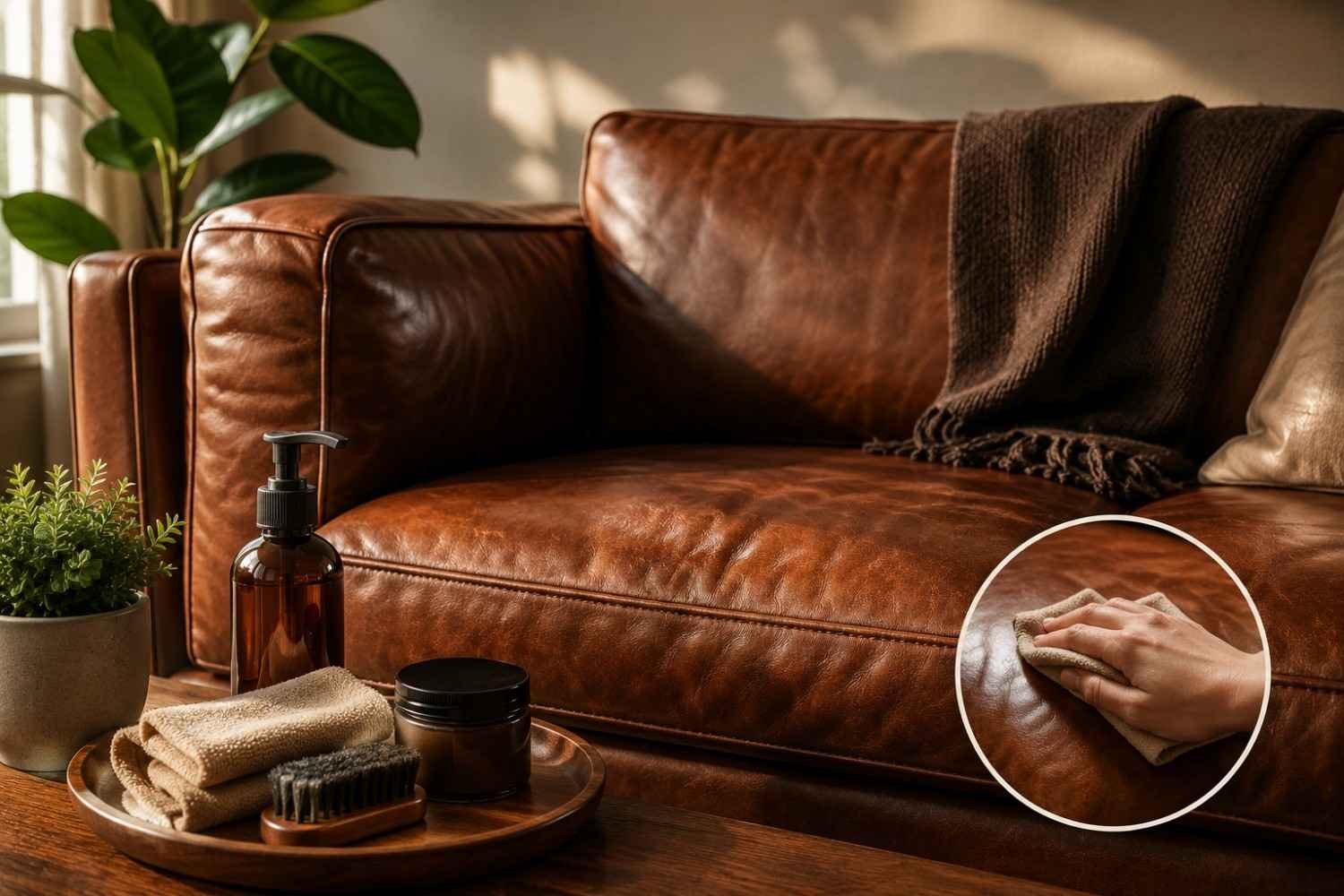
Properly cared for leather sofas can last for years. Regular dusting, conditioning every 3–6 months, prompt stain removal, and keeping it out of direct sunlight and heat are all important. Avoid harsh chemical cleaners that strip out natural oils. Good quality leather furniture can last 20+ years keeping its texture, color, and structural integrity with the proper routine.
Leather sofas are an investment item. Whether you have a full-grain Chesterfield or a modern bonded leather sectional, neglect shows quickly: cracking, fading, peeling and stiffness are all signs of missed maintenance. The good news? Most damage is preventable, and early-stage issues don't always require sofa leather repair. A consistent care routine does the heavy lifting.
This guide will teach you everything you need to know to keep your sofa soft, supple and showroom-quality for years to come, from daily habits to deep conditioning, if you're a leather furniture owner.
Why Leather Sofas Need Regular Maintenance
Leather is organic. It breathes, it absorbs moisture, it responds to its environment. Leathers that aren't cared for regularly will dry out, lose their natural oils and start to crack. Heat, humidity, body oils and UV exposure all speed up this process.
Leather sofas are less likely to harbor allergens than fabric sofas, but they do require a little more intentional care. A little effort each week will prevent the sort of deterioration that requires professional restoration.
Step-by-Step Leather Furniture Care Routine
Step 1 — Dust and Wipe Down Weekly
Use a dry or slightly damp microfiber cloth to wipe away surface dust, crumbs, and body oils. Work in a circular, gentle motion. Look at the seams and crevices where dirt builds up and holds moisture.
Do this once a week. It’s less than five minutes and keeps surface grime from embedding into the grain, which becomes much harder to remove over time.
Step 2 — Clean with a pH-Balanced Leather Cleaner
Every four to six weeks, clean the entire surface with a product designed for leather. Never use household sprays, multi-surface cleaners, or anything containing alcohol, bleach, or ammonia. These take the finish off and dry out the hide.
Use the cleaner on a soft cloth, never directly on the leather. Work in small areas. Use a clean, dry cloth to wipe away any residue.
Step 3 — Condition the Leather Every 3–6 Months
Most people miss the most important step—conditioning. A good leather conditioner restores the natural oils lost to heat, sunlight, and daily use. If you don’t, the leather will dry out and become brittle and crack from the inside out.
Apply conditioner with a clean cloth in a circular motion. Let it absorb fully – usually 30 to 60 minutes – before using the sofa. Then buff lightly for a clean, subtle sheen.
Step 4 — Treat Stains Immediately
Speed matters with leather stains. Blot — never rub — any liquid spill as soon as it happens. Rubbing spreads the stain and pushes it deeper into the grain.
- Water-based spills: Blot with an absorbent cloth. Allow to dry naturally. Never use a hairdryer.
- Oil-based stains: Sprinkle a small amount of talcum powder or cornstarch, leave for a few hours, then brush away gently.
- Ink marks: Use a specialist leather ink remover. Do not use rubbing alcohol — it causes discolouration.
- Food residue: Let it dry, then flake off gently before wiping with a damp cloth.
Step 5 — Protect from Light, Heat, and Humidity
Leather exposed to direct sunlight for extended periods will fade and dry out considerably. Ensure your sofa isn't located near south-facing windows, or add window treatments that filter UV. Similarly, keep leather furniture at least 30cm away from heat vents and radiators.
A room humidifier can help you maintain the proper moisture level to keep leather supple in extremely dry conditions.
Sofa Leather Repair — When DIY Isn't Enough
A professional deep clean and conditioning service every 12 to 18 months is a worthy investment for family homes with high-use sofas. This will greatly extend the life of the leather and catch early signs of wear before they become costly problems.
Professional services also undertake colour refreshing, surface repair and protective coating application – treatments that really are beyond the capabilities of a DIY maintenance kit.
Common Leather Care Mistakes to Avoid
How to Identify Your Leather Type Before Cleaning
Not all leather is the same, and using the wrong product on the wrong type causes irreversible damage. Before buying any cleaner or conditioner, identify what type of leather your sofa is made from.
- Full-grain leather: The highest quality. Shows natural markings. Needs regular conditioning. Very durable with proper care.
- Top-grain leather: Slightly processed. More uniform in appearance. Responds well to standard leather care products.
- Aniline leather: Dyed with no protective coating. Highly absorbent. Requires specialist aniline-safe products — standard cleaners will stain it.
- Semi-aniline leather: Has a light protective coat. More resistant to stains. Easier to maintain than pure aniline.
- Bonded leather: Made from leather scraps bonded with polyurethane. More affordable but prone to peeling. Cannot be restored once it starts degrading.
Check your sofa's care label or contact the manufacturer if you're unsure. Always test any new product on a hidden area first.
How Often Should You Service Your Leather Sofa Professionally?
For heavily used sofas in the family home, it is a good idea to invest in a professional deep clean and conditioning service every 12 to 18 months. This really extends the life of the leather and catches the first signs of wear before they become expensive problems.
Professional services can also renew colour, repair surfaces and apply protective coatings – treatments that go far beyond what can be achieved with a home maintenance kit.
Quick-Reference Leather Care Schedule
- Weekly: Dust and wipe with a microfibre cloth
- Monthly: Clean with a pH-balanced leather cleaner
- Every 3–6 months: Apply a quality leather conditioner
- Immediately: Treat any spill or stain on the spot
- Annually: Inspect for early wear, scratches, or discolouration
- Every 12–18 months: Book a professional deep clean and treatment
A well-maintained leather sofa won't just last longer, it will actually look better over time, developing a natural patina that adds character instead of looking worn. For professional quality care, repair or restoration of leather furniture, DKS International offers specialist services designed to protect and extend the life of your leather items. When you work with experienced professionals, you are assured the job is done right the first time if you have early wear and tear or require a full sofa leather repair.
Frequently Asked Questions
How often should I condition my leather sofa?
Under normal use, condition your leather sofa every 3 to 6 months. Homes with air conditioning or central heating, which dries the air, should be conditioned every three months to prevent cracking and keep them supple.
Can I use household cleaners on leather furniture?
No. Household cleaning products like multi-surface sprays, dish soap and baby wipes contain chemicals that strip the leather of its natural oils and protective finish. Use only a cleaner specially formulated for the care of leather furniture, to avoid permanent drying and discolouration.
What is the best way to remove a stain from a leather sofa?
As soon as possible, blot the stain with a clean, dry cloth – don't rub. For water based spills allow to air dry. For oil stains, sprinkle talcum powder on it, let it sit for a few hours, and brush off. For tough marks use specialist leather cleaners.
How do I know if my leather sofa needs professional repair?
If your sofa has deep cracks, peeling, large tears, fading or structural damage, it needs professional sofa leather repair. Small scratches on the surface you can handle yourself, but any major damage will only get worse if you don’t get it professionally restored with the right tools.
Does sunlight really damage leather sofas?
Yes. Over time, direct sunlight causes leather to fade, dry out and crack. UV rays degrade the natural oils in leather and speed up deterioration. Keep your sofa away from direct sunlight rays or use a UV protective window film to avoid long-term damage.
What is the difference between cleaning and conditioning leather?
Cleaning removes dirt, oils and surface grime from the leather. Conditioning restores the natural oils that make leather soft and flexible. Both steps are important - cleaning without conditioning leaves leather clean but vulnerable to drying and cracking over time.
Tags : sofa leather repair