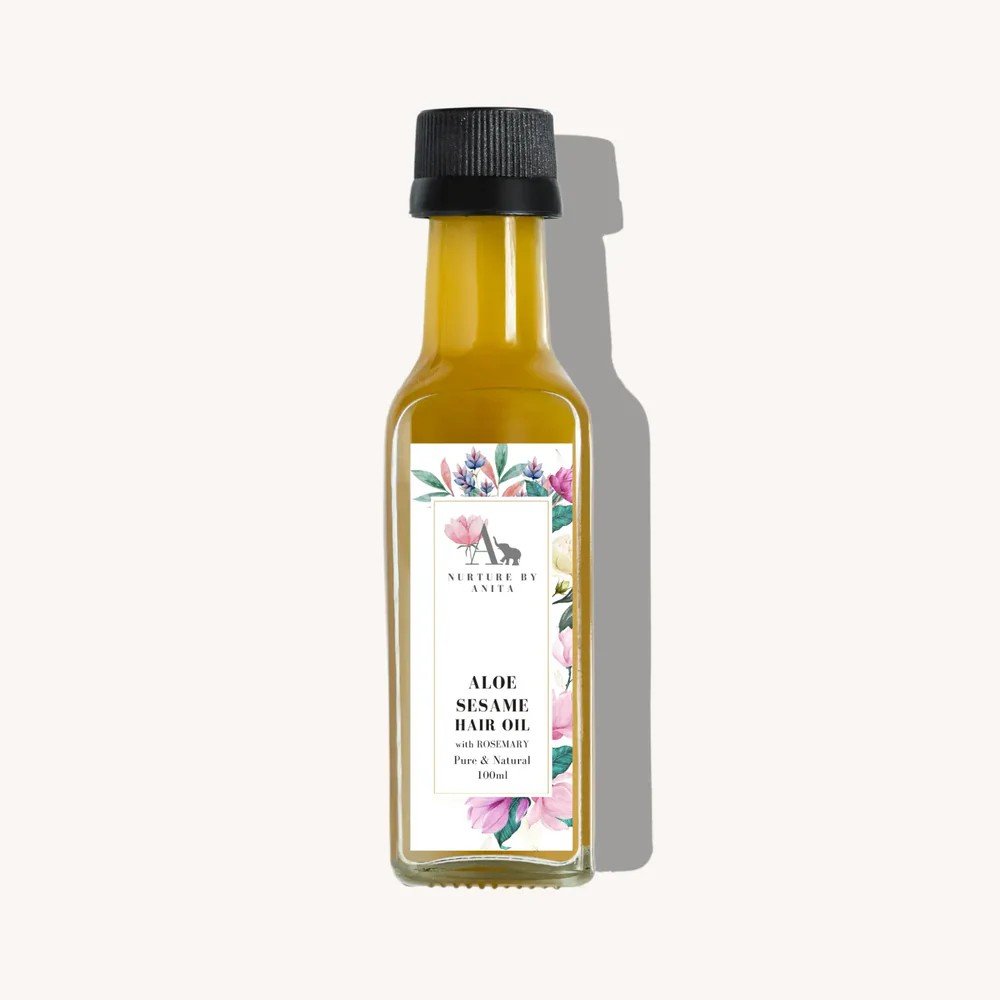
Growing healthy, longer hair is something many people want, but finding the right hair care routine can sometimes feel confusing. There are countless oils, serums, shampoos, and treatments available, and each one seems to promise better results. In reality, healthy hair growth usually depends on several factors, including nutrition, scalp care, genetics, stress, sleep, and the way you treat your hair.
When people search for the best hair oil for fast hair growth, they are often looking for an oil that can support stronger roots, nourish the scalp, reduce dryness, and make the hair feel healthier. While no oil can guarantee overnight hair growth, using a suitable oil regularly can be a useful part of a consistent hair care routine.
What Makes a Hair Oil Useful for Hair Growth?
Hair grows from follicles located in the scalp. Keeping the scalp properly moisturized and cared for can help create a better environment for healthy-looking hair.
A good hair oil may help with common problems such as dryness, roughness, breakage, and a tight or uncomfortable scalp. Some oils also contain plant-based ingredients traditionally used in hair care routines.
However, it is important to understand the difference between hair growth and hair retention. Sometimes hair appears to grow slowly because the ends are breaking frequently. In such cases, reducing breakage and improving moisture can help you retain more length over time.
Look for Ingredients That Match Your Hair Needs
There is no single oil that works perfectly for everyone. Your scalp condition, hair texture, and personal concerns should influence your choice.
Rosemary
Rosemary is widely used in scalp and hair care products. Rosemary-based oils are popular among people who want to include botanical ingredients in their routine. A diluted rosemary oil preparation can be massaged gently into the scalp as part of regular care.
If you are using rosemary essential oil, it should not normally be applied directly to the scalp in concentrated form. Proper dilution with a suitable carrier oil is important.
Bhringraj
Bhringraj has a long history in traditional Indian hair care. It is commonly included in herbal hair oils designed for scalp nourishment and conditioning.
For people who prefer traditional ingredients, a hair oil containing bhringraj can be an interesting option, particularly when combined with other nourishing carrier oils.
Sesame Oil
Sesame oil is another traditional choice in Indian hair care. It can help condition dry hair and provide a smooth feel after application. Because it is a carrier oil, it can also be used as a base for different herbal hair oil blends.
Hibiscus
Hibiscus is commonly used in traditional hair care preparations. Its flowers and leaves have been part of homemade hair masks and oiling routines for generations.
A hibiscus-based hair oil can be useful for people who want a botanical approach to scalp and hair conditioning.
How to Choose the Best Hair Oil for Fast Hair Growth
Instead of choosing an oil simply because it claims to produce fast results, look at what your hair actually needs.
1. Consider Your Scalp Type
If your scalp becomes oily quickly, applying a very heavy oil may feel uncomfortable. People with a dry scalp may prefer a more nourishing oil that provides better conditioning.
Your scalp should feel comfortable after oiling rather than excessively greasy or irritated.
2. Check the Ingredients
Read the label before buying. Look for oils and botanical ingredients that you recognize and that suit your routine.
If you have sensitive skin, be particularly careful with essential oils, fragrances, and other ingredients that may cause irritation.
3. Think About Hair Breakage
If your main problem is hair snapping while brushing or styling, simply looking for a growth-focused oil may not solve the issue.
A conditioning oil can help improve the feel of dry strands and may make them easier to manage. Combining oiling with gentle brushing, regular conditioning, and less heat styling can be more useful for retaining length.
4. Choose a Routine You Can Follow
The best hair oil is not necessarily the most expensive one. A product that fits comfortably into your routine is more practical than something you buy but rarely use.
Consistency matters. Give your hair care routine enough time before deciding whether it suits you.
How to Oil Your Hair Properly
Applying too much oil does not necessarily mean better results. A small amount is often enough to cover the scalp and lengths comfortably.
Start by dividing your hair into sections. Apply a moderate amount of oil to the scalp and gently massage it with your fingertips. Avoid scratching the scalp with your nails.
You can then spread a little oil through the lengths, particularly if your hair tends to become dry. Leave it on for a period that works for your hair and product instructions, then wash it out with a suitable shampoo.
Some people prefer oiling once or twice a week, while others may need it less often. The right frequency depends on your scalp and hair type.
Common Mistakes to Avoid
A few simple mistakes can make an oiling routine less comfortable.
Using too much oil: Excess oil can make washing difficult and may leave the scalp feeling heavy.
Rubbing aggressively: A strong massage can unnecessarily pull or tangle the hair. Gentle fingertip movements are enough.
Using undiluted essential oils: Concentrated essential oils can irritate the skin. Follow proper dilution guidance.
Expecting immediate growth: Hair growth is gradual. An oil cannot transform hair length overnight.
Ignoring other factors: Hair care is not only about oil. Diet, stress, sleep, scalp health, styling habits, and overall health also matter.
Can Hair Oil Really Make Hair Grow Faster?
This is one of the most common questions people ask. The honest answer is that hair growth cannot be dramatically accelerated simply by applying an oil.
Hair naturally follows a growth cycle, and the speed varies from person to person. What a good oiling routine can do is support scalp conditioning, reduce dryness, improve manageability, and help protect the hair from some types of breakage.
For this reason, it is better to think of hair oil as one part of a complete hair care routine rather than a quick solution.
A Simple Weekly Hair Care Routine
A straightforward routine can be easier to maintain than a complicated one.
Once or twice a week: Apply a suitable hair oil and gently massage the scalp.
On wash days: Clean the scalp properly without aggressively scrubbing the hair.
After shampooing: Use a conditioner on the lengths and ends if your hair needs additional moisture.
Every day: Avoid unnecessary pulling, tight hairstyles, and excessive heat.
Regularly: Keep an eye on changes in your scalp and hair rather than constantly switching products.
This approach allows you to understand what works for your hair instead of changing products every few days.
When Hair Fall Needs More Attention
Some daily shedding is normal, but sudden or noticeably increased hair loss deserves attention. If you are experiencing persistent heavy shedding, visible thinning, bald patches, scalp inflammation, or other unusual changes, relying only on hair oil may not be enough.
In such situations, consider speaking with a dermatologist or qualified healthcare professional. Hair loss can sometimes be connected to nutritional deficiencies, hormonal changes, stress, medications, scalp conditions, or other underlying factors.
Final Thoughts
Choosing the best hair oil for fast hair growth is less about finding a miracle product and more about understanding what your scalp and hair actually need. Ingredients such as rosemary, bhringraj, sesame, and hibiscus can fit naturally into a nourishing hair care routine, but results should be viewed realistically.
A good routine combines suitable oiling with gentle washing, proper conditioning, balanced nutrition, and healthy hair-handling habits. Most importantly, give your routine time. Healthy-looking hair is usually the result of consistent care rather than a quick fix.
If you are comparing different hair oils, start by checking the ingredients, understanding your scalp type, and choosing a product that you can comfortably use on a regular basis. That simple approach can make your hair care routine more practical and sustainable.