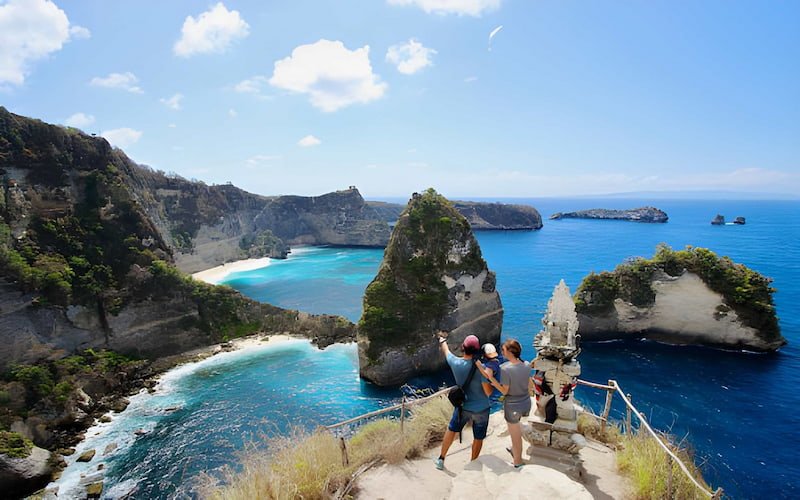
Bali doesn't have one kind of beach. Within an hour or two you can go from a surf-school crowd at Kuta to a quiet reef lagoon at Sanur, then to a cliff-backed cove at Padang Padang or a seafood dinner on the sand at Jimbaran. The right pick depends on what you want from the day: waves, calm water, a good sunset, or photos.
If you're travelling from the UAE, the simplest way to fit several of these into one trip is to book one of the Indonesia tour packages from Dubai. They usually pair beach days with temples, rice terraces and local food, so the holiday isn't only sand and sea. Here's how the main beaches compare.
Kuta Beach: Lively and Beginner-Friendly
Kuta is Bali's best-known beach, and it's busy in the way people expect. The sand is wide, the waves roll in steadily, and it's one of the most popular places on the island to take a first surf lesson. Restaurants, shops and bars sit right behind the beach.
It's also a good place to be at dusk. Walk along the shore, watch the surfers, and pick up a drink from one of the beachside stalls. Kuta is only a short drive from Ngurah Rai International Airport, which makes it handy if you want a beach day on arrival or just before your flight home. Waves and currents change through the day, so swim near the lifeguards and follow the flags.
Seminyak Beach: Sunsets and Beach Clubs
Seminyak is the polished, stylish side of Bali's southwest coast. It's known for sunset views, beachfront bars and beach clubs, and it feels more upscale than Kuta. Couples and groups who like a relaxed evening by the sea tend to love it.
A typical day here is an afternoon walk on the sand, sunset with a drink, then dinner at one of the area's restaurants. Shops, cafés and places to stay are all close by, so you don't spend much time in transport. Seminyak's waves can be strong, so it's better for watching the sunset than for long swims.
Sanur Beach: Calm Water and Sunrise
Sanur is on Bali's east coast, and it feels very different from Kuta and Seminyak. An offshore reef keeps the water shallow and gentle, which suits swimming and snorkelling. Families with young children often choose it for this reason.
Sanur also faces the sunrise. Early risers can walk the beachfront path as the sky brightens over the water, with very few people around. The pace is slower here, so it's a good fit for families, couples and anyone who wants a quieter stay. Sanur is also where many of the fast boats leave for Nusa Lembongan and the other nearby islands.
Nusa Dua Beach: Resort Comfort and Sheltered Water
Nusa Dua is a planned resort area, developed in the 1970s and 1980s, with a very different feel from the older beach towns of Kuta and Sanur. The sand is pale, the grounds are well kept, and an offshore reef protects the water, so it's usually calm.
Couples, honeymooners and families like it for how easy it is. You can swim in the morning, use the resort facilities in the afternoon and eat dinner without leaving the property. Tanjung Benoa, just to the north, is the place to go for water sports such as parasailing and jet-skiing.
Jimbaran Bay: Dinner on the Sand
Jimbaran is mostly about the evening. The bay curves around the coast and faces west, so sunsets are good, and rows of seafood restaurants set tables right on the beach. Grilled fish, prawns and squid with your feet near the sand is the classic Jimbaran experience.
It's not the place for adventure sports. It works well for couples who want a romantic dinner and for families or groups who want a relaxed meal together. It's also easy to combine with other sights in southern Bali on the same day.
Padang Padang Beach: A Small Cove Below the Cliffs
Padang Padang is small, and that's part of the appeal. A narrow gap in the limestone rocks leads down to a tight cove of pale sand. Because of that steep, rocky entrance, it feels a bit more adventurous than Bali's easier beaches, and it's popular with photographers.
Be careful with the water. Reef and strong currents mean conditions aren't always good for swimming, and the tide makes a big difference. Check the conditions locally before you get in, and ask a lifeguard or a nearby surf shop if you're unsure.
Melasti Beach: Limestone Cliffs and Bright Blue Water
Melasti, near Ungasan in southern Bali, is one of the prettiest beaches on the Bukit Peninsula. The road down passes through a cut in the limestone cliffs, so you get dramatic views before you even reach the sand. Pale sand, clear blue water and tall white rock make it a favourite for photos.
It's a place for scenery and relaxing, not nightlife. You can fit it into a day trip with other spots in the south, such as Uluwatu or Padang Padang.
Uluwatu and Suluban: Surf and Clifftop Views
Uluwatu is Bali's best-known surf area, with powerful waves that suit experienced surfers more than beginners. Suluban Beach, also called Blue Point, sits below the cliffs. You reach it by steep stairs and narrow passages through the rock, and it's easiest to enjoy at lower tide.
There's more to the area than surfing. Uluwatu Temple stands on the cliff edge and is a popular place to catch the sunset. Keep an eye on your belongings there, as the monkeys are quick. The stairs and surf make these beaches harder going than Sanur or Nusa Dua, so take your time.
Choosing the Right Beach for Your Trip
First decide what kind of holiday you want. Kuta is the easiest place for beginners to learn to surf, and experienced surfers will prefer the Uluwatu coast. Couples looking for a sunset dinner will like Seminyak or Jimbaran, and families with children usually do best in Sanur or Nusa Dua, where the water is calmer.
Where you stay matters too. Traffic in southern Bali can be slow, and a trip that looks short on the map can eat up an hour or more. Staying near the beaches you care about most saves a lot of time. A well-balanced trip might combine a calm base in Sanur or Nusa Dua with an evening in Seminyak or Jimbaran, plus a day exploring the scenic southern beaches like Padang Padang and Melasti.
Timing also helps. Bali's dry season, roughly April to October, is the most reliable time for beach days, while the wetter months can bring rougher seas and more debris washing up.
Staying Safe and Respecting the Coast
Not every beautiful beach is safe to swim at. Waves, currents and tides change through the day, so check the flags, listen to lifeguards, and stay out of the water if they say conditions are unsafe.
Please look after the beaches, too. Take your rubbish with you, use reef-friendly sunscreen, and respect local communities and any temples or ceremonies you pass. For the more remote beaches, wear sturdy shoes for the stairs and rocky paths, and carry some cash, since not every spot has card payment.
Conclusion
Bali's beaches suit very different moods. Kuta and Seminyak are lively, Sanur and Nusa Dua are calm, and Jimbaran is made for dinner at sunset. Padang Padang, Melasti and the Uluwatu cliffs add some of the island's most striking scenery. Once you know what each beach is like, it's much easier to build a trip around the ones you'll enjoy most.
And since the best Bali holidays go beyond the sand, it's worth adding temples, local food and nature to the plan. Indonesia tour packages from Dubai make that easy to organise.
Tags : Beaches in Bali