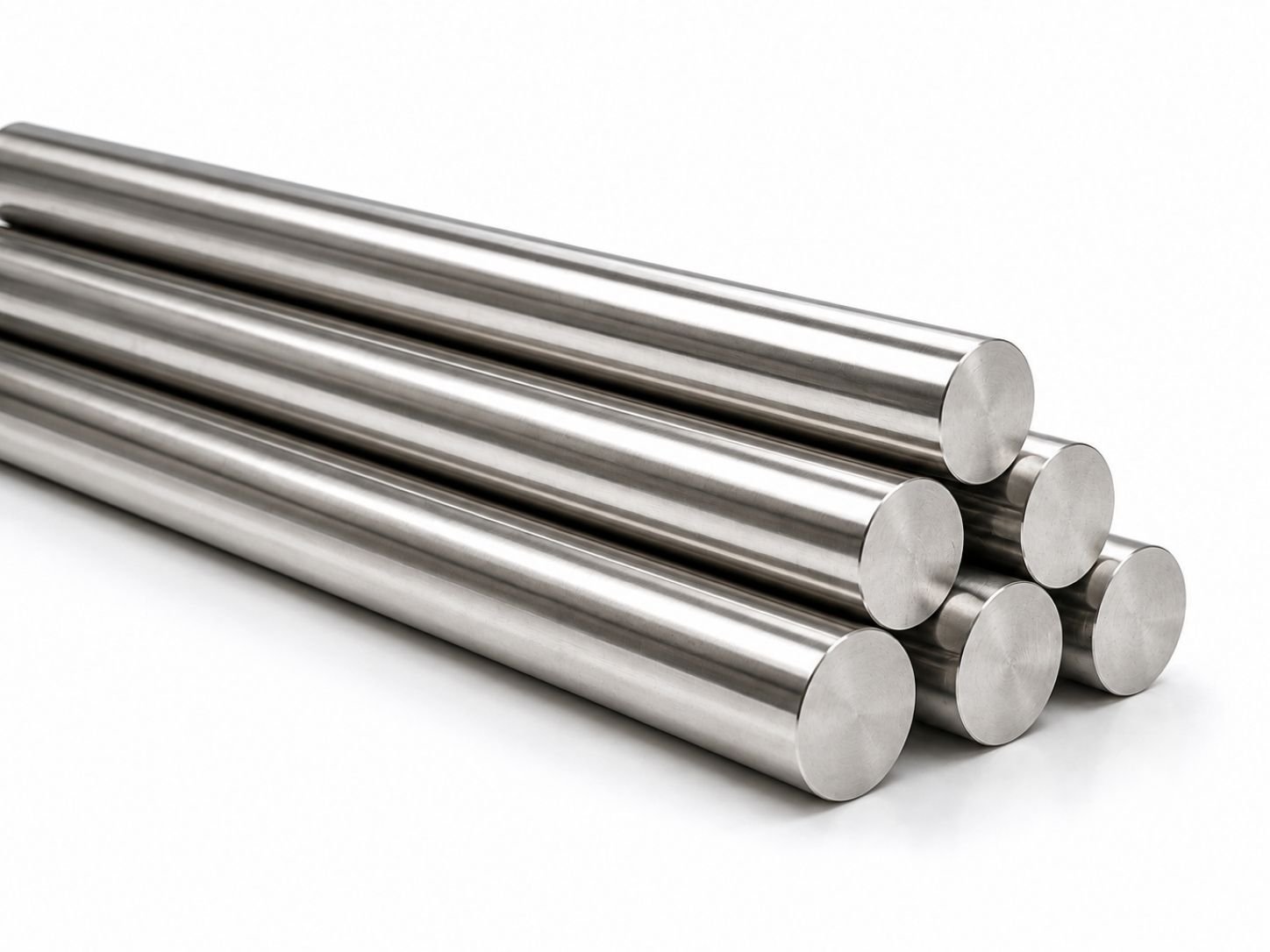
Stainless Steel Round Bars are versatile engineering materials for heavy-duty as well as for precision applications, as specified by the manufacturers. These solid metal cylinders provide the required combination of tensile strength, physical durability, machinability, and reliable dimensional stability, and corrosion resistance. The selection of stainless steel grade is governed by the exact service temperatures, the extent of chemical exposure, the expected mechanical loading conditions, and the specific fabrication requirements. For physical environments that are highly physically demanding, high strength stainless steel round bars are purchased for lasting structural integrity.
What Makes SS Round Bars Suitable for Industrial Applications?
Heavy industrial projects require raw materials that perform predictably under severe stress. These bars provide essential corrosion and oxidation resistance to survive wet or highly acidic conditions. High mechanical strength firmly supports massive structural loads. Their good toughness and physical durability prevent sudden mechanical failures under impact. Engineers rely heavily on heat and temperature resistance in suitable grades for high thermal environments. Machinability for selected grades allows highly precise component manufacturing. Fabrication and welding compatibility help builders assemble large structures. Low maintenance requirements reduce long-term operating costs. Good surface finish and dimensional consistency ensure parts fit together accurately.
Key Benefits of Using Stainless Steel Round Bars
Understanding the primary advantages of these metallic solid materials helps project managers make accurate material purchasing decisions for complex manufacturing and heavy industrial construction applications.
Excellent Corrosion Resistance
Chromium-rich stainless steel grades perform reliably in continuous moisture, heavy atmospheric exposure, and many highly corrosive environments. This base corrosion resistance varies heavily by specific material grade and local environmental conditions. The protective passive oxide layer prevents rust formation and physical decay in extremely wet industrial applications.
High Strength and Long-Term Durability
These round solid bars easily withstand massive mechanical loads, continuous abrasive wear, and repeated daily industrial use. This inherent physical toughness makes them highly suitable for manufacturing critical drive shafts, heavy fasteners, precision-machined components, and permanent structural parts in highly demanding, heavy load-bearing environments.
Reduced Maintenance and Replacement Costs
There is a direct mathematical relationship between base material corrosion resistance, extended component service life, required maintenance frequency, and overall industrial lifecycle costs. These metallic materials degrade very slowly over time. Facilities spend significantly less operational capital on replacing damaged parts and performing routine preventative structural maintenance.
Easy Machining and Fabrication
Specific machinable steel grades are particularly useful for efficiently manufacturing exact mechanical precision components. Machine shops routinely perform high-speed turning, deep metal drilling, standard threading, and heavy surface milling on these materials. The consistent internal grain structure allows predictable cutting tool wear and highly accurate final dimensions.
Versatility Across Different Operating Conditions
The commercial industrial metals market offers multiple stainless steel formulations, including standard austenitic, basic ferritic, tough martensitic, and complex precipitation hardening grades. This vast commercial availability allows mechanical engineers and manufacturers to precisely select base materials based on exact thermal, heavy chemical, and physical project load requirements.
Industries That Use Stainless Steel Round Bars
Several distinct heavy commercial sectors rely heavily on these solid metallic cylinders to build complex machinery, secure large structures, and transport harsh process fluids safely.
Construction and Infrastructure
Builders use these solid bars to manufacture heavy-duty fasteners, load-bearing supports, internal mechanical shafts, and permanent structural and architectural components. The material ensures long-term outdoor environmental stability.
Automotive and Transportation
Vehicle manufacturers process this solid metal to create precisely machined components, durable axles and shafts, specialty safety fasteners, and various engine and transmission-related components that withstand constant intense vibration.
Chemical and Petrochemical
Facilities fabricate control valves, transfer pumps, secure pipe fittings, and major process equipment components from this material. Reliable corrosion resistance and mechanical reliability matter greatly in these dangerous acidic environments.
Food Processing and Pharmaceutical
Plants construct sanitary equipment components, mixing and processing machinery, drive shafts, and clean fittings. Complete hygiene, easy cleanability, and strict resistance to contamination and physical corrosion remain mandatory requirements here.
Marine Industry
Shipbuilders machine underwater marine hardware, propeller shafts, specialty fasteners, submerged pumps, and durable fittings. Total resistance to moisture and chloride-containing environments is important, making exact material grade selection critical.
Oil and Gas
Operators demand strong, high-pressure valve components, threaded fasteners, heavy extraction machinery parts, deep well piping, and large surface equipment components to survive harsh offshore and underground drilling operations safely.
How to Choose the Right Stainless Steel Round Bar Grade?
Buyers must carefully evaluate specific technical parameters before ordering material to ensure final machined parts survive their intended operational environment without unexpected early structural failure.
Determine the required mechanical strength to see if standard commercial alloys work or if high-strength SS 17-4 PH is strictly necessary for operation.
Analyze the corrosive environment to decide if standard SS 304 will survive or if harsh chemical chlorides demand SS 316L for safety.
Check the maximum operating temperature to verify the selected metal will not lose its structural integrity under extreme industrial heat during daily manufacturing operations.
Review all mechanical machining requirements carefully and consider SS 410 if the finished parts require subsequent thermal heat treatment for extra surface hardness.
Verify the welding and fabrication requirements closely if the project involves joining the solid metal bar to other heavy structural components during field assembly.
Specify the exact material surface finish needed to reduce final shop polishing time and meet local sanitary regulations for safe food and beverage production.
Confirm that the selected metal meets applicable ASTM or ASME codes and other specific regional project standards required by local government building inspectors.
Calculate the required bar diameter and dimensional tolerance accurately to minimize expensive material waste during the final heavy machinery manufacturing and assembly phase.
Conclusion
The right grade of metal cylinder is the key to the success of any heavy engineering project. The dense bars are engineered to provide the required strength, corrosion resistance, and consistent machinability in critical manufacturing industries. Careful consideration of technical needs and chemical exposure limits prior to raw materials purchases will result in less premature mechanical failure, fewer costly machine downtimes, and long-term structural reliability.
Tags : Stainless Steel Round Bars