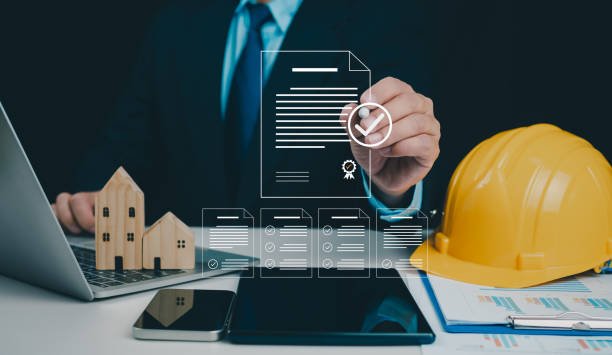
Modern construction is no longer driven by aesthetics alone. Today’s buildings are expected to perform better, consume fewer resources, and support healthier living and working environments. Sustainable building certifications have emerged as a structured way to meet these expectations, a process often guided by experienced mep consultants in Hyderabad.
They provide a framework that helps projects balance environmental responsibility, economic value, and occupant well-being. For developers, designers, and owners, these certifications are not just plaques on the wall—they are tools that add measurable value across a project’s entire lifecycle.
Driving Long-Term Cost Efficiency
One of the most tangible benefits of sustainable building certifications is reduced operating cost. Certified buildings emphasize energy-efficient systems, optimized water use, and durable materials. While initial planning may require deeper analysis, the long-term financial savings are significant.
Lower energy consumption means reduced utility bills year after year. Water-efficient fixtures and smart management systems minimize wastage, which is especially important in regions facing water stress. Maintenance costs also drop, as certified projects often prioritize quality materials and system coordination, reducing breakdowns and premature replacements. Over time, these savings can outweigh the initial investment made to meet certification requirements.
Enhancing Market Value and Asset Performance
Sustainability has become a strong differentiator in the real estate market. Certified buildings often command higher rental values and better resale potential. Tenants and buyers increasingly prefer spaces that are energy-efficient, comfortable, and environmentally responsible.
From an investor’s perspective, sustainable buildings are lower-risk assets. They are better prepared for future regulations, energy price fluctuations, and market shifts toward greener developments. This resilience enhances asset performance and makes certified projects more attractive to financial institutions and long-term stakeholders.
Improving Occupant Health and Comfort
Beyond cost and compliance, sustainable certifications place strong emphasis on indoor environmental quality. Factors such as natural daylight, indoor air quality, thermal comfort, and acoustic performance are carefully considered.
Healthier indoor environments directly impact occupant satisfaction and productivity. In commercial spaces, this can translate into reduced absenteeism and improved work performance. In residential projects, it enhances overall quality of life. Certification frameworks encourage designs that support human well-being, making buildings more than just functional spaces—they become healthier places to live and work.
Encouraging Integrated and Smarter Design
Sustainable building certifications promote collaboration from the early stages of a project. Architects, engineers, consultants, and contractors are encouraged to work together rather than in isolation. This integrated approach reduces design conflicts and improves system efficiency.
For example, decisions about building orientation, façade design, and material selection directly influence mechanical and electrical system performance. When these elements are coordinated early, the building operates more efficiently as a whole. This level of integration often results in better-performing buildings with fewer design changes during construction.
Supporting Environmental Responsibility
At their core, sustainable certifications aim to reduce environmental impact. They address key issues such as energy consumption, carbon emissions, water conservation, waste management, and responsible material sourcing—areas often guided by experienced sustainability consultancy Firms.
Certified projects typically generate less construction waste, use materials with lower environmental impact, and reduce greenhouse gas emissions during operation. This contribution to environmental protection is increasingly important as cities expand and climate challenges intensify, helping organizations align their projects with broader environmental goals and corporate responsibility commitments.
Strengthening Regulatory and Policy Compliance
Building regulations and environmental standards are becoming more stringent worldwide. Sustainable certifications help projects stay ahead of regulatory changes by aligning with best practices rather than minimum requirements.
For developers and owners, this reduces the risk of future compliance issues or costly retrofits. Certified buildings are often better positioned to meet new energy codes, reporting requirements, and sustainability mandates, ensuring smoother approvals and long-term regulatory confidence.
Boosting Brand Image and Stakeholder Trust
A certified sustainable building sends a clear message about commitment to quality and responsibility. For organizations, this enhances brand reputation and builds trust among clients, employees, investors, and the public.
Transparency is a key part of most certification processes. Documented performance metrics and third-party verification add credibility to sustainability claims. This authenticity helps organizations avoid greenwashing concerns and demonstrate real, measurable impact.
Increasing Operational Control and Performance Tracking
Sustainable certifications encourage performance monitoring rather than one-time compliance. Many frameworks require data tracking for energy use, water consumption, and indoor environmental quality.
This ongoing measurement allows building owners and facility managers to understand how their buildings actually perform. Insights gained from this data support informed operational decisions, continuous improvement, and proactive maintenance strategies, ensuring that the building performs as intended throughout its life.
Aligning with Future Development Trends
The construction industry is evolving rapidly, with growing emphasis on smart technologies, digital design tools, and performance-driven outcomes. Sustainable certifications align naturally with these trends.
They encourage the use of building analytics, automation, and efficient system controls. As cities move toward smarter and more resilient infrastructure, certified buildings are better equipped to integrate with future technologies and sustainability initiatives.
Creating Lasting Value Beyond Construction
Sustainable building certifications are not about short-term recognition—they are about long-term value creation. They influence how a building is designed, built, operated, and experienced over decades.
By improving efficiency, comfort, resilience, and environmental performance, certified projects deliver benefits that extend well beyond construction completion. They support responsible growth, protect investments, and contribute positively to communities and the environment.
Conclusion
For modern construction projects, sustainable building certifications are no longer optional add-ons—they are strategic tools. They help projects perform better financially, environmentally, and socially, with coordination and documentation often supported by skilled bim engineers Chennai.
From reducing operational costs and enhancing occupant comfort to strengthening asset value and future readiness, the benefits are wide-ranging and measurable. As the built environment continues to evolve, projects that embrace sustainable certifications position themselves not only for present success but also for long-term relevance in an increasingly sustainability-driven world.
Tags : .....