Most business owners don't think about getting a mobile app until a competitor launches one. Then it becomes urgent overnight. The problem is, by the time you're reacting, you've already given someone else a head start. And that gap is harder to close than people think.
Mobile has changed how customers interact with businesses. Not just in retail or food delivery, either. Doctors manage patient records on mobile platforms. Logistics companies track shipments in real time. Consultants take bookings through apps. It's everywhere now.
But here's where a lot of businesses trip up. They assume any app will do the job. They find a cheap template, put their logo on it, and six months later, they're wondering why nobody is using it. That's the difference between a generic app and a custom one. One is built for everyone. The other is built for you.
What Is Custom Mobile App Development?
Simple answer. It's an app built from scratch specifically for your business. Not a template someone else designed. Not a tool with fifty features you'll never touch. A custom mobile app is built around how your business actually works, what your customers actually need, and what systems you already have in place.
If you run a supply chain business, your app can connect directly to your inventory software. If you run a service business, it can handle bookings, invoicing, and client communication in one place. You get exactly what you need and nothing you don't.
The process takes more time than downloading an off-the-shelf product. There's planning, design, development, testing, and ongoing maintenance. But what you end up with is something that actually fits your business rather than forcing your business to fit around it.
Why Growing Businesses Need Mobile Apps
Growing businesses have a specific kind of problem. Everything is moving fast. Customers want faster responses. Teams need tools they can use from anywhere. And you're trying to make all of that happen without the budget of a large corporation. A well-built mobile app helps with all of that at once.
It gives you a direct line to your customers. It takes repetitive tasks off your team's plate. It puts real-time information in front of the people who need to make decisions.
Think about a retail brand opening stores in new cities. Managing loyalty programs, promotions, and customer relationships across multiple locations manually is a mess. A custom app brings everything into one place. And as the business grows, the app grows with it.
Key Benefits of Custom Mobile App Development
Improved Customer Experience
Generic apps frustrate users. They were never built with any specific customer in mind, so they never quite feel right.
Custom apps are different. They're designed around how your actual customers behave and what they actually need. When someone can open your app and do what they came to do without confusion, they trust you more. That trust builds over time, and it's hard to put a number on how valuable that is.
Better Business Efficiency
This one doesn't get talked about enough. The internal benefits of a good mobile app are just as real as the customer-facing ones.
Automating scheduling, order processing, follow-ups, and reporting saves hours every single week. Those are hours your team can put toward work that actually needs human thinking.
A property management company in Dubai, for example, could use an internal app to handle tenant requests, maintenance jobs, and paperwork. No more phone tag. No more lost emails. Everything in one place.
Enhanced Data Security
Off-the-shelf apps get targeted by hackers partly because so many businesses use the same ones. One vulnerability affects thousands of companies at once.
With a custom app, you control the security setup. You decide how data is stored, who can access what, and what standards are applied. For any business handling customer financial data, personal details, or sensitive records, that control isn't optional. It's necessary.
Scalability and Flexibility
Template apps have limits. At some point, your business outgrows them, and you're stuck either rebuilding from scratch or paying for a bloated tool that doesn't quite fit anymore.
Custom apps are built with your future in mind. New market? Add a language. New payment method? Build it in. New integration? It's planned for. Growth doesn't break the app because the app was designed to grow.
Competitive Advantage
Most businesses of your size don't have a purpose-built mobile app that actually works well. That's an opportunity sitting right in front of you.
A seamless booking experience, live order tracking, and a loyalty program that feels personal rather than generic. These things give customers a real reason to choose you over someone else. That advantage matters most during a growth phase when you're trying to establish yourself in the market.
Stronger Brand Recognition
Your app sits on your customer's phone. Every time they scroll through their apps, they see your name and your logo. Every time they use it, they're interacting with your brand.
A bad app does real damage here. Crashes, slow load times, and confusing layouts all leave a negative impression. A well-built app does the opposite. It tells people you're serious about quality and you actually care about their experience.
Higher Customer Retention
Keeping a customer costs far less than finding a new one. Custom apps support retention in ways that are hard to replicate elsewhere.
Personalised notifications at the right moment. Loyalty rewards that feel earned. In-app support when someone has a problem. These small things add up, and they keep customers coming back rather than drifting toward a competitor.
How Custom Mobile Apps Support Long-Term Business Growth
Here's the part most businesses miss. A mobile app isn't a one-time project. It's a product that needs to be maintained, updated, and improved over time.
The businesses that get real long-term value from their apps treat them that way. They look at usage data regularly. They listen to customer feedback. They add features as the business changes.
When that happens, the app stops being a standalone tool and becomes part of how the business actually runs. That's when the returns start compounding. And that's a genuinely different situation from where most businesses start.
Common Mistakes Businesses Make When Developing Mobile Apps
The biggest one is starting without knowing what problem the app is supposed to solve. A vague brief produces a vague app. Before anything else, get clear on the specific thing your app needs to do.
The second mistake is treating design as decoration. The way users move through an app, how fast things load, how easy it is to find what you're looking for, all of that affects whether people use it or delete it. Good UX isn't a bonus. It's the whole point.
Skipping proper testing is another one. Bugs that make it into a live app damage trust quickly. That trust takes a long time to earn back.
Then there's post-launch neglect. Phone operating systems update constantly. An app that isn't maintained starts breaking and feeling outdated within a year.
Lastly, choosing a developer based solely on price. A cheap app that doesn't work properly will cost more to fix later than you saved by going cheap in the first place.
Choosing the Right Mobile App Development Partner
Your development partner makes decisions that will affect your app for years. That's worth taking seriously.
Look at what they've actually built before. Ask whether they've worked in your industry. Find out exactly how they handle the post-launch phase because a lot of agencies disappear once the app goes live.
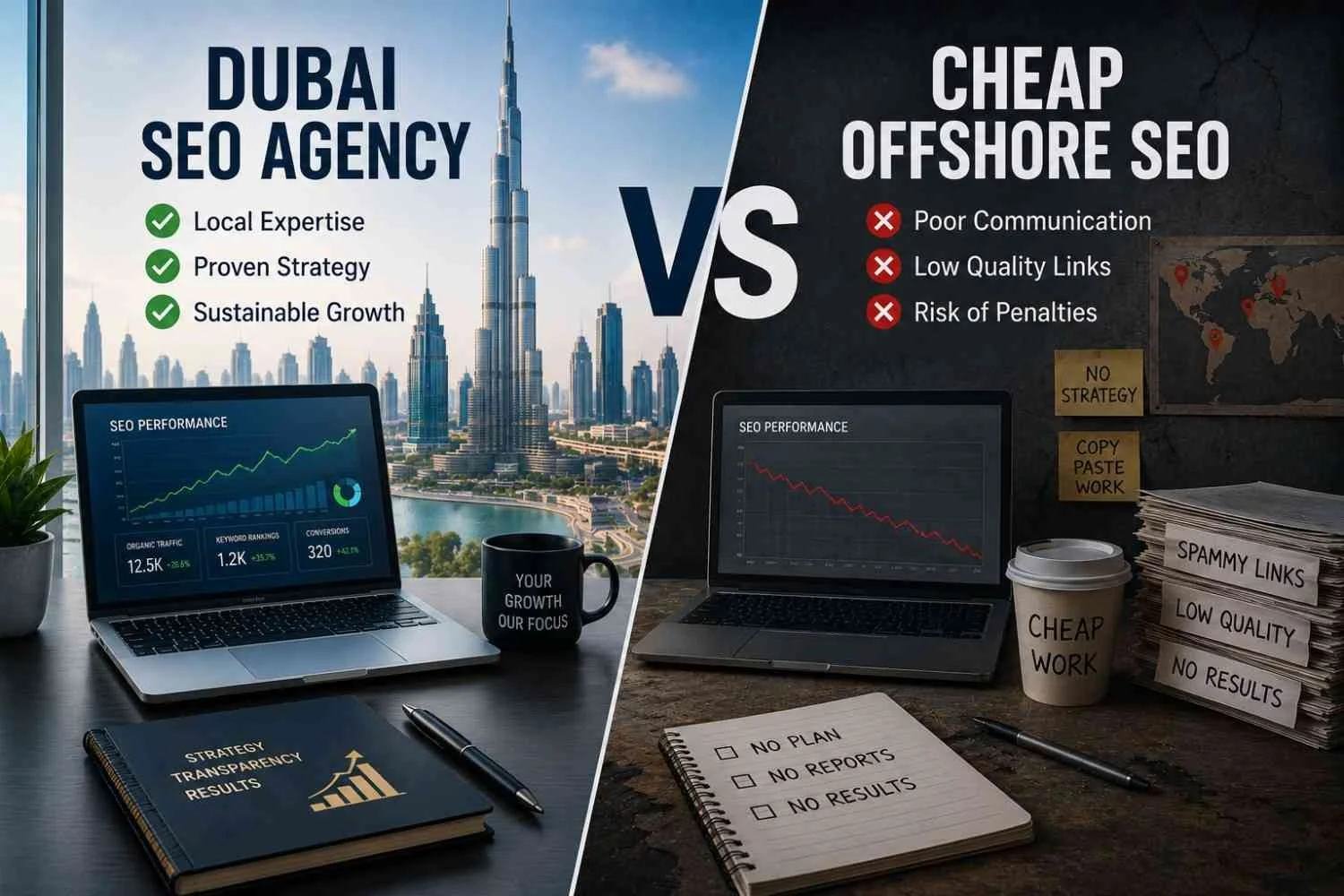
For businesses operating in the UAE, working with a Mobile App Development Agency in Dubai, UAE makes practical sense. Local teams know the market, understand regional compliance requirements, and are easier to stay in touch with when something needs fixing or updating.
That said, location isn't everything. What actually matters is whether the team asks the right questions before they start building. A good partner wants to understand your business before they propose a solution. If someone skips that step and goes straight to a quote, that's a warning sign.
Conclusion
A custom mobile app isn't the right decision for every business at every stage. But if you're growing, if your current tools aren't keeping up, and if your customers are spending real time on their phones every day, it's worth thinking seriously about.
The businesses getting the most out of mobile app development services aren't the ones with the biggest budgets. They're the ones who started with a clear problem, found the right partner, and treated the app as something to build on over time rather than a box to check.
Before you approach any Mobile App Development Agency in Dubai, UAE, figure out the one specific problem you want the app to solve. Everything else flows from that.
Tags : mobile apps development