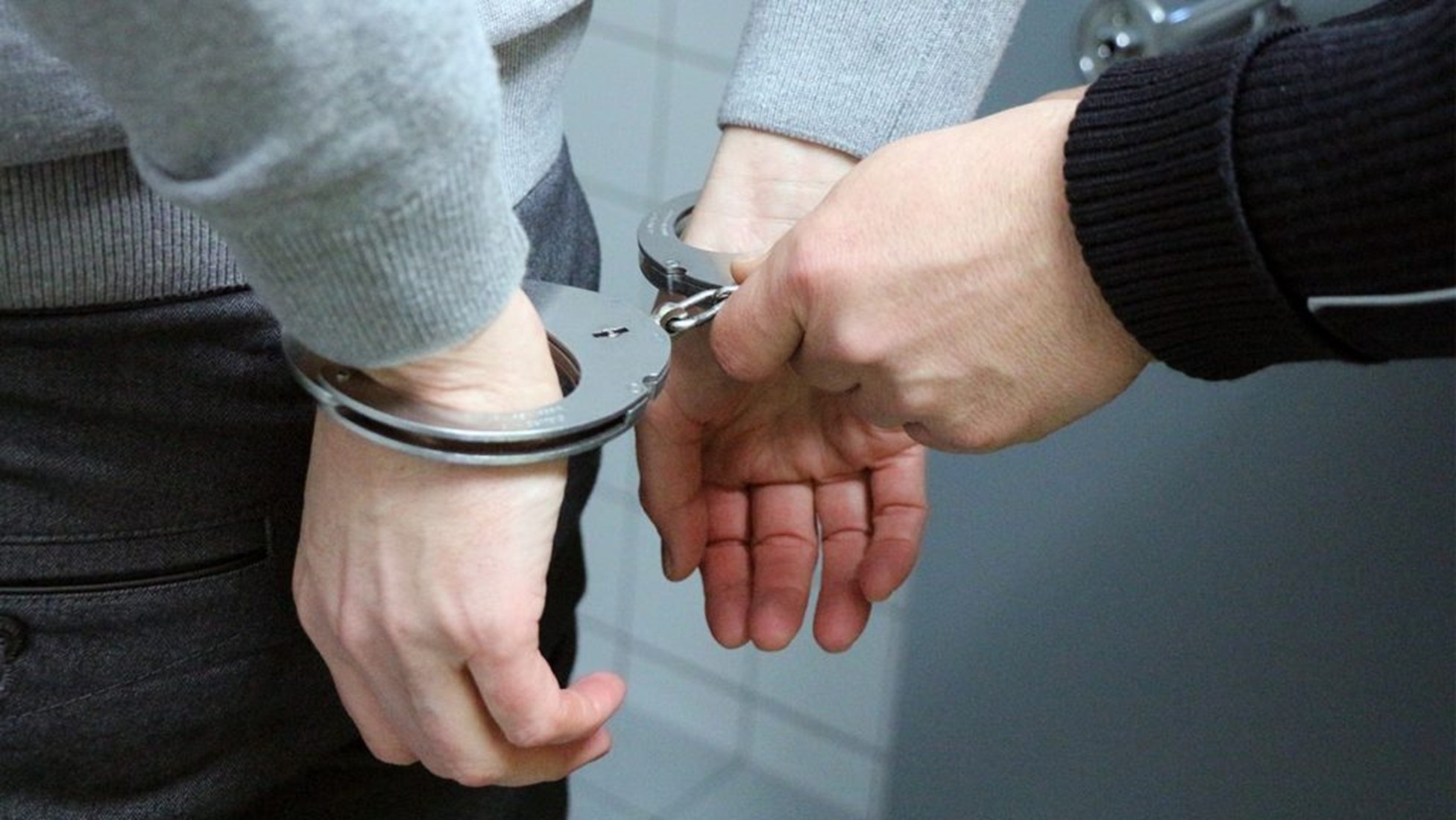
When someone is arrested in the United States, the legal system begins a structured process that determines whether the individual can be released before trial. One of the most important roles in this process is played by a bail bondsman, a professional who helps defendants secure temporary freedom while awaiting court proceedings. Understanding how this system works is crucial, especially for individuals unfamiliar with legal procedures.
A bail bondsman acts as a financial guarantor who posts bail on behalf of a defendant who cannot afford to pay the full amount set by the court. This ensures the accused can continue their daily life while preparing for their legal defense. Without this service, numerous individuals would languish in custody for prolonged periods, even prior to their conviction.
What Is Bail and Why Is It Important?
Bail is a monetary amount set by a judge during a bail hearing. It acts as a security deposit to ensure that the accused returns to court for their scheduled appearances. If the defendant appears as required, the bail is refunded or dissolved. However, if they fail to appear, the bail amount is forfeited.
The bail system is essential because it balances two critical aspects: the presumption of innocence and the need to ensure court compliance. It allows individuals to maintain their jobs, care for their families, and work on their defense strategy outside of jail.
How Bail Bonds Work in the U.S.
Not everyone can afford to pay bail, which can range from a few hundred to thousands of dollars depending on the severity of the alleged crime. This is where bail bond services come into play.
A bail bondsman typically charges a non-refundable fee, usually around 10% of the total bail amount. In exchange, they post the full bail amount with the court. The bondsman may also require collateral, such as property or assets, to secure the bond.
This system provides a lifeline for individuals who would otherwise be unable to secure their release. However, it also comes with responsibilities, including attending all court hearings and complying with legal conditions.
The Role of cause probable in Arrests
Before an arrest can be made, law enforcement officers must establish cause probable, which refers to a reasonable belief that a person has committed a crime. This concept is a cornerstone of the U.S. legal system and is protected under the Fourth Amendment.
Probable cause ensures that individuals are not subjected to arbitrary arrests or searches. It requires factual evidence or circumstances that would lead a reasonable person to believe that a crime has occurred. Without this legal standard, the justice system would lack fairness and accountability.
Why cause probable Matters in Court Proceedings
The presence or absence of cause probable can significantly impact a case. If a defense attorney can demonstrate that probable cause was lacking during an arrest, it may lead to the dismissal of charges or suppression of evidence.
Courts carefully evaluate whether law enforcement followed proper procedures when determining probable cause. This includes reviewing witness statements, physical evidence, and the actions of officers at the time of arrest.
Understanding this concept is vital because it directly influences the legality of an arrest and the strength of the prosecution’s case.
Types of Bail Bonds Available
There are several types of bail bonds available in the U.S., each designed to suit different circumstances:
1. Surety Bonds
This is the most common type and involves a bail bondsman. The bondsman guarantees the full bail amount to the court.
2. Cash Bonds
The defendant or their family pays the entire bail amount in cash directly to the court.
3. Property Bonds
Property, such as real estate, is used as collateral instead of cash.
4. Federal Bonds
These are used for federal cases and often involve stricter requirements and higher amounts.
Each type has its advantages and limitations, and choosing the right option depends on the financial situation and nature of the charges.
Responsibilities of the Defendant
When released on bail, the defendant must follow specific conditions set by the court. These may include:
Attending all court hearings
Avoiding contact with certain individuals
Staying within a designated area
Refraining from illegal activities
Failure to comply with these conditions can result in the revocation of bail and re-arrest. In such cases, the bail bondsman may also take legal action to recover the bond amount.
How Bail Bondsmen Manage Risk
Bail bondsmen take on significant financial risk when posting bail. To mitigate this, they often:
Conduct background checks
Require collateral
Monitor court appearances
Work with bounty hunters if a defendant skips bail
If a defendant fails to appear in court, the bondsman is responsible for paying the full bail amount. This is why they carefully evaluate each case before agreeing to post bail.
Legal Rights of the Accused
Every individual in the U.S. has certain rights when arrested, including:
The right to remain silent
The right to an attorney
Protection against unlawful searches and seizures
The right to a fair and speedy trial
Understanding these rights can help individuals navigate the legal system more effectively and avoid self-incrimination.
Common Misconceptions About Bail Bonds
Many people misunderstand how bail bonds work. Some common myths include:
Myth: Bail is a punishment
Fact: Bail is not a penalty but a guarantee of court appearance
Myth: Bail money is always lost
Fact: Cash bail is refundable if court conditions are met
Myth: Only criminals need bail bonds
Fact: Anyone accused of a crime may require bail assistance
Clearing up these misconceptions helps individuals make informed decisions during legal challenges.
The Impact of Bail on Society
The bail system plays a significant role in the justice system, but it is not without criticism. Some argue that it disproportionately affects low-income individuals who cannot afford bail.
Efforts are being made in various states to reform the bail system, including eliminating cash bail for certain non-violent offenses. These reforms aim to create a more equitable system while maintaining public safety.
Choosing the Right Legal Support
Navigating the legal system can be overwhelming, especially for first-time offenders. It is essential to work with experienced professionals who understand the complexities of bail, probable cause, and court procedures.
A reliable bail bondsman and a skilled attorney can make a significant difference in the outcome of a case. They provide guidance, ensure compliance with legal requirements, and help protect the rights of the accused.
Conclusion:
Understanding the roles of a bail bondsman and the concept of probable cause is crucial for anyone involved in the U.S. legal system. These elements ensure that justice is administered fairly while protecting individual rights.
Whether dealing with an arrest or supporting a loved one, having access to accurate information and professional assistance can make all the difference. Companies like Bloom Legal are dedicated to helping individuals navigate these challenging situations with confidence and clarity.