Ayurvedic Hair Growth Oil: How to Choose the Right Oil for Your Hair
By Nurture by Anita 07-10-2026 25
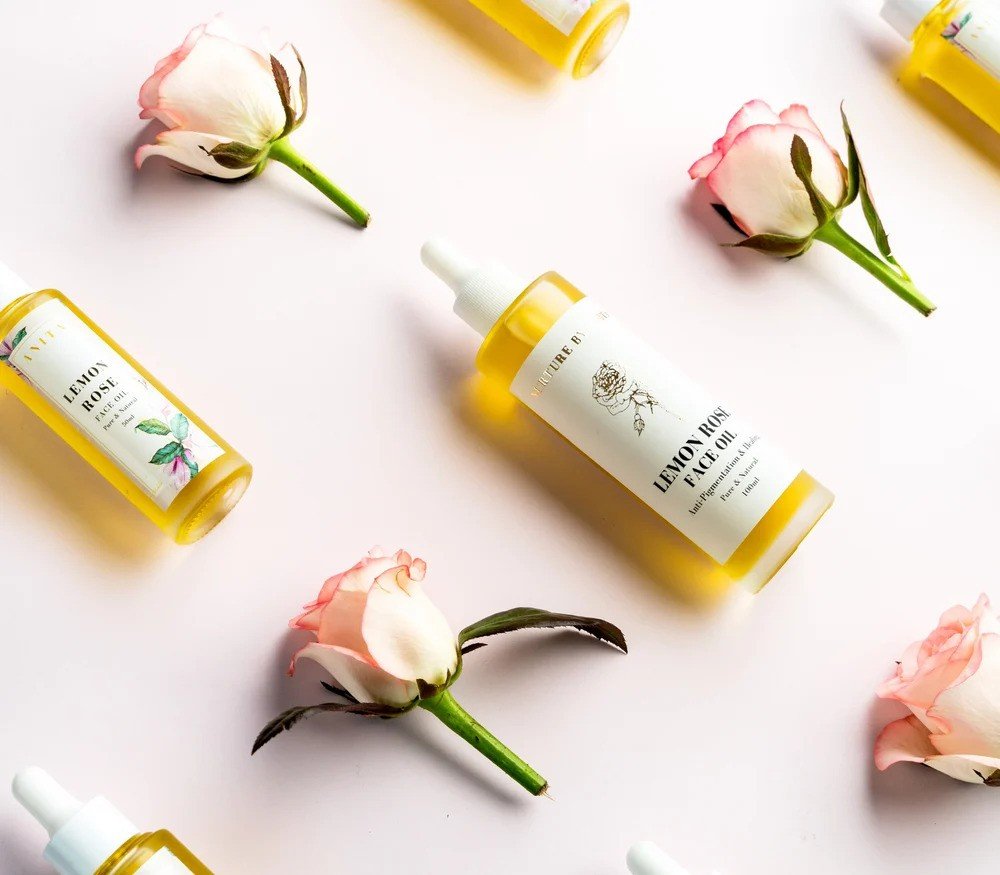
Hair care can become confusing when you start looking for solutions for hair fall, dryness, weak strands, or slow-looking growth. There are countless oils available, and many are described as natural, herbal, or Ayurvedic. But choosing an ayurvedic hair growth oil should not be about picking the product with the longest ingredient list.
A better approach is to understand what your scalp and hair actually need. Oiling can be a useful part of a regular hair-care routine, but it works best when combined with gentle washing, good nutrition, careful handling, and habits that reduce unnecessary hair damage.
What Makes an Ayurvedic Hair Oil Different?
Ayurvedic hair care traditionally places importance on plant-based ingredients and regular oiling practices. Depending on the formulation, hair oils may contain herbs, seeds, botanical extracts, or traditional ingredients that have long been used in personal care.
However, the word “Ayurvedic” alone does not tell you whether an oil is suitable for your hair.
For example, someone with an oily scalp may prefer a different texture and frequency of application than someone with dry, coarse, or curly hair. Similarly, a person mainly concerned about dry ends may need to focus more on the lengths than repeatedly applying large amounts of oil to the scalp.
So, instead of asking only which oil is the best, ask a more useful question: What does my hair need right now?
Can Hair Oil Help With Hair Growth?
Hair oiling is commonly included in natural hair-care routines, but it is important to keep expectations realistic.
An oil cannot guarantee faster hair growth or solve every cause of hair loss. Hair growth is influenced by factors such as genetics, age, hormones, nutrition, health, and the condition of the scalp.
What oiling can do is support the care of the hair and scalp as part of a consistent routine. It can help dry hair feel softer and make the lengths easier to manage. A good oiling habit can also encourage people to handle their hair more gently instead of constantly pulling, brushing, or heat styling it.
If you are experiencing sudden or significant hair loss, it is better to look beyond hair products and speak with a qualified professional.
How Should You Choose the Right Hair Oil?
There is no single oil that suits every person.
Start by identifying your main concern.
For Dry and Rough Hair
If your hair feels rough, dull, or difficult to manage, look for an oiling routine that provides nourishing care without leaving the hair excessively greasy.
Dry lengths may also benefit from applying more attention to the mid-lengths and ends rather than concentrating the entire routine on the scalp.
For Hair Prone to Breakage
Breakage can make hair appear thinner even when the issue is mainly happening along the lengths.
In this situation, focus on gentle detangling, regular conditioning, reduced heat styling, and careful oiling before washing.
For an Oily Scalp
An oily scalp does not necessarily mean you should avoid oil completely. It may simply mean that you need a smaller quantity or less frequent application.
Applying too much oil can make the scalp feel heavy and may require aggressive washing to remove it. A simple routine is often easier to maintain.
For Chemically Treated Hair
Colouring, bleaching, straightening, and other chemical processes can leave hair more vulnerable to dryness and breakage.
If your hair has been chemically treated, your routine should focus on reducing additional stress. Gentle washing, conditioning, limited heat, and suitable pre-wash oiling can all be considered.
Which Ingredients Should You Look For?
The ingredients in an ayurvedic hair growth oil should be considered according to their purpose rather than simply counting how many herbs appear on the label.
Traditional hair oils may include ingredients such as hibiscus, bhringraj, sesame, coconut, amla, rosemary, neem, or other botanical ingredients.
But more ingredients do not automatically mean a better product.
It is useful to check the complete ingredient list, understand the intended use of the product, and consider whether the formulation matches your scalp and hair type.
If you already know that your scalp is sensitive, patch-testing a new topical product can also be a sensible precaution.
Hair Oiling Is About Technique Too
Even a suitable oil may not fit into your routine if you apply it too aggressively.
Start with a moderate amount. Part the hair into sections if necessary and gently massage the scalp with your fingertips. Avoid scratching with your nails.
For dry hair, you can also apply a small amount through the lengths, particularly where the hair feels rough.
You do not need to leave oil on indefinitely. A few hours before washing can be enough for a practical pre-wash routine.
The frequency depends on your hair and scalp. Once or twice a week may be comfortable for some people, while others may prefer less frequent oiling.
Don't Forget the Rest of Your Hair Routine
An oil cannot compensate for every damaging habit.
If your goal is healthier-looking hair, look at your complete routine.
Avoid washing with extremely hot water. Do not rub wet hair aggressively with a towel. Detangle knots gently rather than pulling through them. Reduce unnecessary use of straighteners and curling tools. Keep tight hairstyles to a minimum if they cause discomfort or pulling.
Conditioning is also important, particularly for dry or longer hair.
These steps may seem ordinary, but they are often more sustainable than constantly switching between different hair products.
Natural Hair Care Requires Patience
One of the biggest mistakes people make with hair care is expecting visible changes within a few days.
Hair grows slowly, and changes in hair density or length are not usually something you can judge overnight. A better approach is to maintain a sensible routine and observe your hair over time.
You can track things such as excessive shedding, breakage, scalp comfort, dryness, and overall manageability.
This also helps you identify whether a particular product is actually working for your needs or whether your routine needs adjustment.
When Should You Get Professional Advice?
Not every hair concern should be handled with oiling alone.
If you notice sudden hair loss, clearly visible bald patches, significant thinning, persistent scalp irritation, scaling, or other unusual changes, consider consulting a dermatologist or qualified healthcare professional.
There can be many reasons for hair loss, and identifying the underlying cause is more useful than repeatedly changing hair oils.
For ordinary hair care, however, oiling can remain a simple and enjoyable part of a broader routine.
Final Thoughts
Choosing an ayurvedic hair growth oil is less about finding a magical formula and more about finding an option that fits your actual hair-care needs.
Look at your scalp condition, hair texture, dryness, breakage, and styling habits before deciding what kind of oiling routine makes sense. Use a moderate amount, massage gently, and give your routine enough time to become a habit.
Most importantly, remember that healthy-looking hair is supported by more than one product. Gentle handling, conditioning, sensible washing, reduced heat, balanced nutrition, and consistent care all have a place in the routine.
If you are exploring botanical and traditional approaches to everyday hair care, learning about different formulations and how they are intended to be used can help you make a more informed choice instead of simply following the latest hair-care trend.