Autonomous Ride-Hailing Moves from Pilot Programs to Commercial Mobility Networks
By Adam Williamson 17-06-2026 154
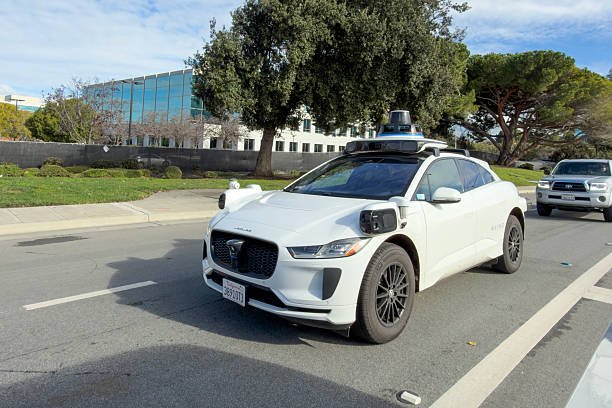
Urban transportation is entering a new phase as autonomous vehicle technologies advance from controlled testing environments to commercial deployment. Robotaxis are emerging as a transformative mobility solution that combines artificial intelligence, autonomous driving systems, advanced sensors, and shared transportation models. Governments, technology companies, automotive manufacturers, and mobility operators are investing heavily in autonomous ride-hailing ecosystems to improve transportation efficiency, reduce operational costs, and enhance passenger convenience.
According to a study published by Vyansa Intelligence, the Robotaxi Market size was valued at USD 1.98 Billion in 2025 and is projected to reach USD 98 Billion by 2032, registering a remarkable CAGR of 74.61% during 2026-2032. The Robotaxi Market growth is being driven by rapid advancements in autonomous driving technologies, increasing investment in self-driving vehicle development, expanding smart city initiatives, and rising demand for shared mobility solutions.
Fully Autonomous Vehicles Lead Industry Development
The Robotaxi Market analysis indicates that Level 4 autonomous vehicles account for 45% of total market share, making them the leading autonomy category within the industry.
Level 4 systems enable vehicles to operate independently within predefined operational environments without requiring continuous human intervention. This capability allows mobility operators to deploy commercial robotaxi services in urban corridors, business districts, and designated smart transportation zones.
The Robotaxi Market trends show that technology developers are prioritizing Level 4 deployment strategies because they offer a practical pathway toward large-scale commercialization while maintaining operational reliability and regulatory compliance.
As autonomous technologies mature, Level 4 platforms are expected to remain the foundation of commercial robotaxi operations.
Urban Mobility Transformation Creates Significant Demand
Cities worldwide continue to face challenges associated with traffic congestion, parking limitations, emissions reduction targets, and transportation accessibility. Autonomous ride-hailing services are increasingly viewed as a solution to address these mobility concerns.
The Robotaxi Market growth benefits from increasing urbanization and the need for efficient transportation systems capable of serving growing populations. Robotaxis have the potential to optimize fleet utilization, reduce idle vehicle ownership, and improve transportation availability across densely populated urban areas.
Municipal authorities are also exploring autonomous mobility programs as part of broader smart city development initiatives. These projects are creating favorable conditions for robotaxi deployment and long-term adoption.
Urban transportation modernization remains one of the strongest drivers supporting industry expansion.
Ride-Hailing Services Dominate Deployment Models
The Robotaxi Market analysis shows that ride-hailing applications account for 55% of total market share, making them the leading service model.
Autonomous ride-hailing enables fleet operators to maximize vehicle utilization while reducing dependence on human drivers. This operating model provides opportunities to improve service availability and potentially lower transportation costs over time.
The Robotaxi Market trends indicate that mobility providers continue prioritizing ride-hailing deployments because they represent the most commercially viable pathway for large-scale autonomous transportation services.
Growing consumer familiarity with app-based transportation platforms further supports the expansion of autonomous ride-hailing networks.
Artificial Intelligence Accelerates Commercial Readiness
Artificial intelligence remains the technological backbone of robotaxi operations. Advanced AI systems enable vehicles to process real-time environmental information, recognize objects, predict traffic behavior, and make driving decisions under dynamic conditions.
The Robotaxi Market growth is supported by continuous improvements in machine learning algorithms, computer vision technologies, and edge computing capabilities. These advancements improve vehicle safety, navigation accuracy, and operational efficiency.
Technology companies continue investing in AI research to enhance autonomous driving performance across complex urban environments. As these systems become more sophisticated, commercial deployment opportunities continue to expand.
Artificial intelligence will remain a central component of future industry development.
Sensor Technology Enhances Vehicle Reliability
Robotaxis rely on multiple sensor technologies, including LiDAR, radar, cameras, ultrasonic sensors, and high-definition mapping systems. These technologies work together to create comprehensive environmental awareness.
The Robotaxi Market forecast reflects growing investment in sensor innovation designed to improve detection accuracy and operational safety. Sensor manufacturers continue introducing advanced solutions capable of functioning under diverse weather, lighting, and traffic conditions.
Improved sensor performance is reducing operational limitations and strengthening confidence among regulators, mobility operators, and passengers. These developments support broader commercial adoption.
Sensor advancement remains a critical enabler of autonomous transportation ecosystems.
Regulatory Frameworks Continue to Evolve
Governments and transportation authorities are actively developing regulatory frameworks to support safe deployment of autonomous vehicles. Regulatory progress is becoming increasingly important as commercial robotaxi programs expand across multiple regions.
The Robotaxi Market trends indicate that pilot programs, safety evaluations, and operational testing initiatives are helping policymakers establish standards for autonomous transportation services.
Countries investing in autonomous vehicle legislation and smart mobility infrastructure are creating favorable conditions for industry participants. Regulatory clarity is expected to accelerate commercialization over the coming years.
Policy support remains a significant factor influencing market development.
Electric Vehicles Strengthen Operational Economics
Many robotaxi fleets are being developed using electric vehicle platforms due to their lower operating costs, simplified maintenance requirements, and alignment with sustainability objectives.
The Robotaxi Market growth benefits from increasing adoption of electric vehicles within shared mobility ecosystems. Electric robotaxis can deliver improved fleet economics while supporting government initiatives focused on emissions reduction and transportation electrification.
Advancements in battery technology, charging infrastructure, and fleet management systems continue to improve operational viability. These developments are strengthening the business case for autonomous mobility services.
The convergence of autonomous and electric vehicle technologies is expected to shape the future of urban transportation.
Competitive Landscape Intensifies as Technology Leaders Expand Deployment
The Robotaxi Market remains highly competitive as technology companies, automotive manufacturers, and mobility providers accelerate autonomous vehicle development.
More than 30 companies are actively engaged in the market, while the top five companies account for approximately 65% of market share.
Leading companies include Waymo, Baidu Apollo, Pony.ai, WeRide, and Tesla.
These companies continue investing in autonomous driving software, fleet deployment, artificial intelligence, sensor integration, and strategic partnerships to strengthen their positions within the industry.
Competition remains focused on safety performance, technological capability, operational scalability, and regulatory compliance.
Conclusion
The Robotaxi Market growth is being fueled by advances in autonomous driving technology, expanding urban mobility requirements, and increasing investment in artificial intelligence. Level 4 autonomous vehicles continue to lead deployment activity, while ride-hailing remains the dominant service model. The Robotaxi Market trends highlight the growing importance of AI innovation, sensor development, electric vehicle integration, and supportive regulatory frameworks. As commercial deployments expand across major cities worldwide, the Robotaxi Market forecast points toward rapid transformation of the global mobility ecosystem through 2032.