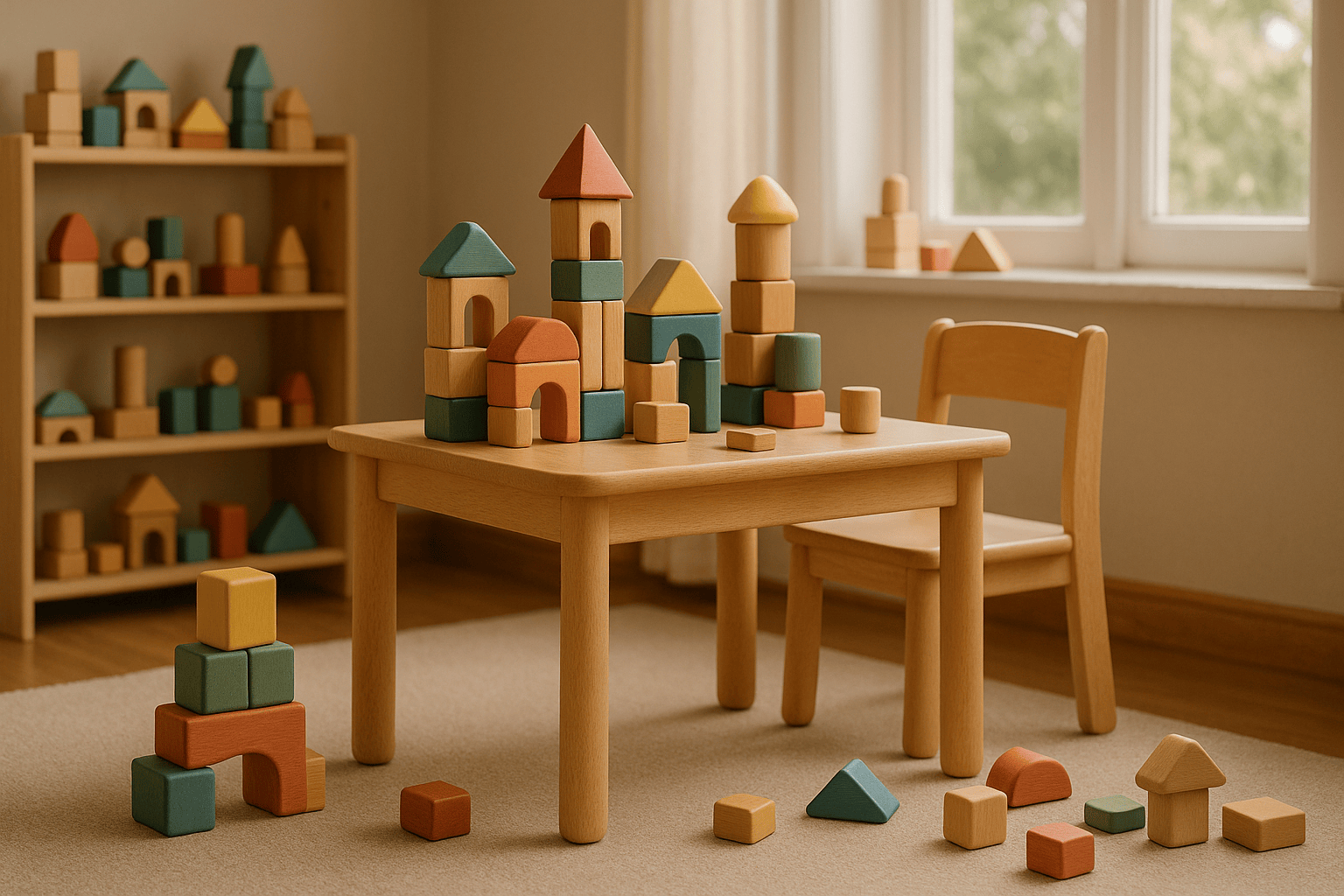
Imagine your child’s eyes lighting up as they stack colorful blocks into a wobbly tower or scribble at a desk that feels like their own little world. Learning toys, like building blocks toys for kids are more than just playthings—they’re tools that spark creativity, sharpen minds, and build skills that last a lifetime. In Pakistan, where parents juggle busy lives and want meaningful playtime for their kids, choosing the right educational toys can feel overwhelming. Not every toy suits every age, and a mismatch can lead to frustration or boredom. This guide dives into the must-know features of learning toys, tailored to different age groups, ensuring your child’s playtime is both fun and fruitful. Whether you’re browsing educational toys or picking out blocks for creative play, here’s how to make the right choice for your child’s growth and joy.
Why Does Age Matter When Choosing Learning Toys?
Age-appropriate toys align with your child’s developmental stage, making play both engaging and effective. A toy too advanced can frustrate a toddler, while one too simple might bore an older child. By matching toys like building blocks or desks to your child’s age, you foster skills like problem-solving, coordination, and confidence. In Pakistan, where educational toys are gaining popularity, choosing the right fit ensures kids learn through play without losing interest.
The right toy at the right age turns playtime into a stepping stone for growth.
What Safety Features Are Non-Negotiable for Learning Toys?
Safety is the foundation of any great learning toy, especially for young kids who explore with their hands and mouths. Here’s what to check:
- Non-Toxic, BPA-Free Materials: Ensures toys like blocks are safe for chewing or handling, free from harmful chemicals.
- Smooth, Rounded Edges for Injury Prevention: Prevents cuts or scrapes during enthusiastic play sessions.
- Large Pieces for Younger Kids to Avoid Choking: Blocks or parts should be big enough for ages 1–3 to prevent swallowing hazards.
- Sturdy Construction for Rough Play Durability: Ensures toys withstand drops and tumbles without breaking apart.
- Certified Safety Standards for Peace of Mind: Look for toys meeting international safety guidelines for worry-free play.
These features keep play safe, letting kids focus on learning and fun.
How Do Building Blocks Benefit Different Age Groups?
Building blocks toys for kids are versatile, adapting to various developmental stages. Here’s how they help:
- Ages 1–3: Sensory and Motor Skills Development: Large, colorful blocks improve grip, hand-eye coordination, and color recognition.
- Ages 3–5: Creativity and Problem-Solving Growth: Kids stack and build simple structures, learning shapes and spatial awareness.
- Ages 5–8: Complex Thinking and Teamwork Skills: Smaller blocks encourage intricate designs and collaborative play with peers.
Blocks grow with your child, making them a staple in educational toys in Pakistan for long-term learning.
What Desk Features Support Learning for Kids?
A study desk can transform a child’s learning experience, especially for school-aged kids. Key features include:
- Ergonomic Design for Comfortable Posture Support: Adjustable heights prevent slouching, ideal for long study sessions.
- Ample Surface Area for Books and Devices: Space for tablets, books, or art supplies keeps kids organized and focused.
- Built-In Storage for Supplies Organization: Drawers or compartments store pens, papers, and blocks, teaching tidiness.
- Durable Materials for Long-Lasting Use: Sturdy plastic or wood ensures the desk withstands daily use.
- Vibrant Colors for Engagement and Appeal: Bright designs make studying fun and inviting for kids.
A well-designed desk fosters focus and discipline, enhancing the value of educational toys.
How Do Learning Toys Boost Cognitive Growth?
Learning toys like blocks and desks spark mental development in unique ways:
- Problem-Solving Through Building Challenges: Stacking blocks to create structures teaches trial and error and logical thinking.
- Spatial Awareness via Construction Play: Kids learn how shapes fit together, improving geometry and planning skills.
- Creativity with Open-Ended Play Options: Blocks allow endless designs, fueling imagination and storytelling.
- Focus and Concentration at Study Desks: A dedicated workspace encourages kids to stay on task during homework or crafts.
- Language Skills Through Interactive Play: Naming shapes or describing creations boosts vocabulary and communication.
These benefits make learning toys essential for cognitive growth, especially when chosen thoughtfully.
What Toy Features Keep Kids Engaged by Age?
Engagement is key to keeping kids interested in learning toys. Here’s what to look for by age:
- Ages 1–3: Bright Colors and Simple Shapes for Sensory Fun: Large, colorful blocks or toys with sounds grab attention and encourage exploration.
- Ages 3–5: Variety in Textures and Designs for Creativity: Blocks with different shapes or desks with drawing surfaces spark curiosity.
- Ages 5–8: Complex Sets and Functional Desks for Challenges: Intricate block kits or desks with tablet holders keep older kids engaged.
Engaging features ensure kids stay excited about learning through play.
A toy that captivates a child’s imagination is a toy that teaches without them even noticing.
Where Should Kids Use Learning Toys Safely?
The right environment enhances the benefits of learning toys while keeping kids safe:
- Indoor Play Areas for Focused Learning: A quiet corner with a desk or soft mat is ideal for blocks or study time.
- Outdoor Spaces for Creative Exploration: Use blocks in a shaded yard for fresh air and imaginative play.
- Clutter-Free Zones for Safety and Focus: Clear away hazards to prevent tripping or distractions during play.
A 2x2 meter space indoors or a flat outdoor area works best for safe, uninterrupted play.
How Do You Choose Toys for Long-Term Use?
Durability and adaptability ensure learning toys last through years of growth:
- High-Quality Materials for Wear Resistance: BPA-free plastic or solid wood withstands rough handling and frequent use.
- Modular Designs for Evolving Play Needs: Blocks with expandable sets or desks with adjustable heights grow with your child.
- Easy-to-Clean Surfaces for Maintenance: Wipeable materials keep toys hygienic and ready for daily play.
- Versatile Features for Multiple Ages: Toys with varied uses, like stackable blocks, suit different developmental stages.
- Storage-Friendly Designs for Convenience: Compact blocks or foldable desks save space in small homes.
Long-lasting toys offer great value, especially when shopping for educational toys in Pakistan.
What Are the Best Learning Toys for Different Ages?
Here are top picks from Toyishland, tailored for age-specific learning:
| Toy Name | Age Range | Features | Price (₨) | Why It’s Great |
|---|---|---|---|---|
| Playing Blocks | 1–8 Years | 15 small/large blocks, non-toxic, colorful, durable plastic | 19,450 | Versatile for all ages, boosts creativity and coordination |
| Home School Desk | 3–8 Years | Tablet holder, 24” width, sturdy, 5 colors | 19,450 | Spacious, ergonomic, perfect for study and creative tasks |
| Storage Drawer | 3–8 Years | 4+2 compartments, durable plastic, colorful | 19,450 | Organizes toys and supplies, teaches responsibility |
These toys balance fun, safety, and learning, making them ideal for kids in Pakistan.
How Much Should You Spend on Learning Toys?
Prices for learning toys vary by type and features. Here’s a guide:
- Basic Blocks or Small Toys: ₨1,000–₨5,000. Affordable for toddlers, with simple shapes and colors for early learning.
- Advanced Blocks or Desks: ₨15,000–₨20,000. Suited for older kids, with features like storage or adjustable designs.
When browsing educational toys in Pakistan, compare reviews and check return policies to ensure value and satisfaction.
FAQs About Learning Toys
Are learning toys safe for 1-year-olds?
Yes, choose large, non-toxic blocks or toys with rounded edges and supervise closely to ensure safety.
Where can kids use learning toys safely?
Indoors on soft mats or in quiet corners; outdoors in shaded, flat areas free of hazards.
How do I know if a toy is durable?
Look for BPA-free plastic or wood, with sturdy construction and a weight capacity of 20–50 kg.
Can learning toys be used outdoors?
Yes, blocks or portable desks work in shaded yards, but store indoors to protect from weather.
How do I make learning toys safer?
Supervise play, check for loose parts, and ensure toys match your child’s age and skill level.
When do kids outgrow learning toys?
Most outgrow basic toys by age 8, but modular blocks or desks can suit older kids with advanced features.
How do I clean learning toys?
Wipe with a damp cloth and mild soap; avoid harsh chemicals to preserve material safety.
What makes learning toys engaging?
Bright colors, varied shapes, and functional designs like desks with storage keep kids interested.
How do learning toys differ from regular toys?
Learning toys focus on cognitive, motor, and social skills, while regular toys prioritize entertainment.
How long do learning toys last?
Quality toys last 3–5 years with proper care, depending on material and usage frequency.
Why Choose Learning Toys for Your Child?
Learning toys offer unique benefits:
- Engaging Play That Sparks Curiosity: Colorful blocks and functional desks keep kids excited about learning.
- Supports Growth Through Skill-Building: Enhances coordination, creativity, and focus for lifelong benefits.
- Safe Designs for Worry-Free Fun: Non-toxic materials and sturdy builds ensure secure playtime.
- Affordable Options for Every Family: Wide price ranges make educational toys in Pakistan accessible.
Learning toys like building blocks toys for kids are more than play—they’re a path to growth and joy. Choose age-appropriate, safe, and engaging toys to watch your child thrive. Shop smart and let the learning begin!