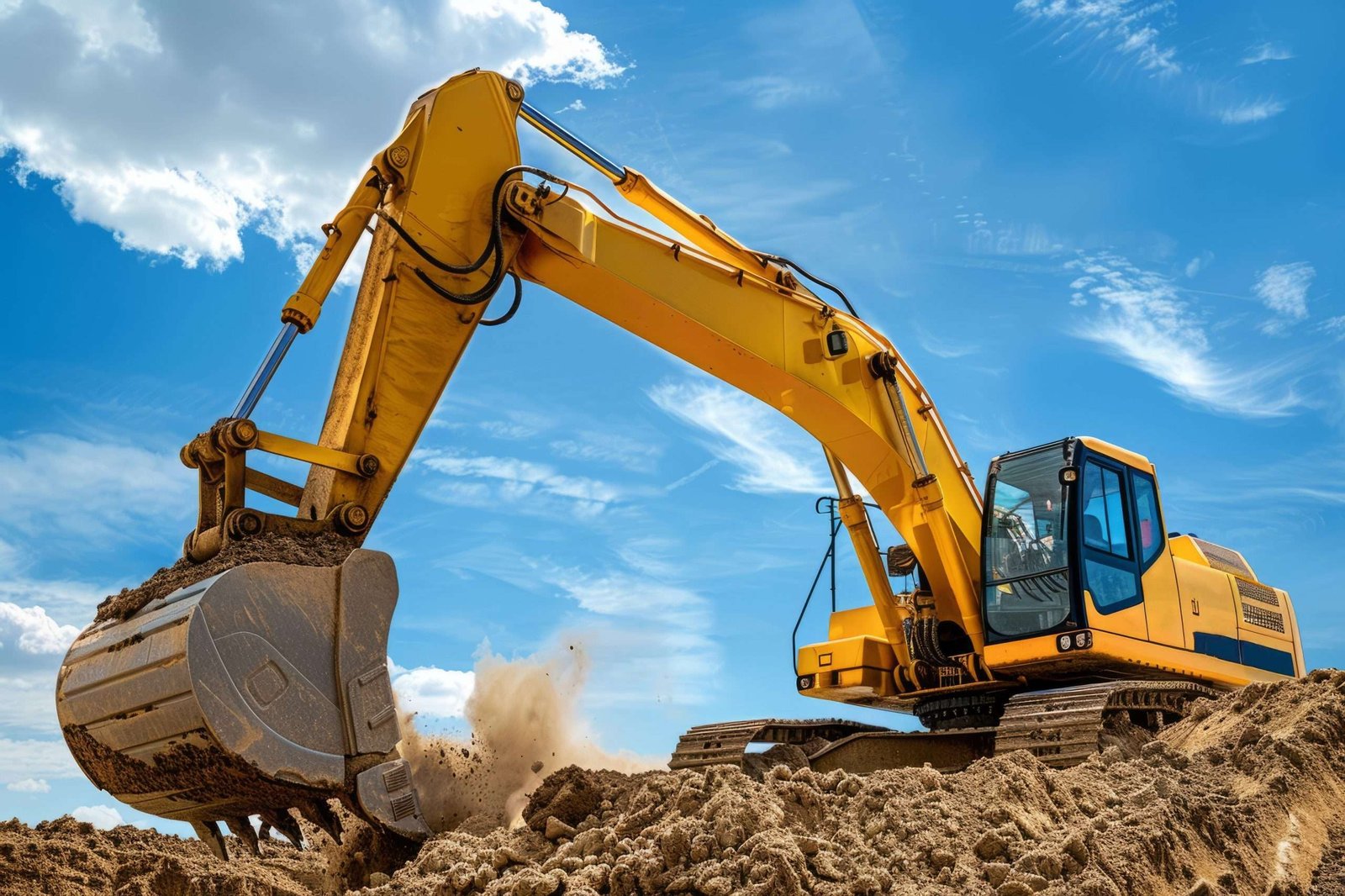
Gray market trackhoes are a temptation to any contractor who prefers to pull out all the stops. They are usually thousands cheaper than local counterparts, arrive in clean condition and in some cases even have specs that sound better on paper. One can easily see why customers can be tempted to jump. However, this cheaper initial rate has some strings attached that are not known to many until it is too late. It may seem to be a success but restrictions are usually lurking around the corner when you need the machine the most.
What Exactly Is A Gray Market Trackhoe?
A gray market trackhoe is neither stolen nor illegitimate, but neither was it designed to suit the nation in which it is being marketed. Such machines tend to be produced to sell in foreign markets, imported and sold without going through the official dealers. This implies that they were not constructed to satisfy domestic requirements and customer service. While they may look like familiar models often seen in listings for a used trackhoe for sale, the internal setup, electronics, and control systems can differ more than you'd think. Without the right documentation or validation from the OEM, they're often excluded from local support networks entirely.
Why They Cost Less
A gray market unit will typically have a lower price tag because the unit has circumvented regional dealers, avoided the import duty the legal way, and does not incur the expenses that go hand in hand with the support or compliance of warranties. But that economy is a frequent guise to what the machine has undergone. The time could be shifted back. The service history may not be in place. Even worse, there are machines that are refurbished so they can look like they are clean but there is deeper wear on the inside of all the major systems such as the hydraulics or swing motors. When an item breaks, that immediate discount might not be so much of a win.
Missing Safety And Emission Standards
The majority of the gray market equipment was constructed to alternate codes of safety. That could be the absence of seatbelt warning systems, inadequate lighting, or even lack of things that local job sites demand by law. Another problem is the emissions regulations, the machines produced to be used in another country may not have the filtration or software that will pass an environmental check. Unless your trackhoe is up to these standards, you may not even be permitted to use it on particular contracts or in controlled areas. The cost of retrofitting it may be high and in other instances, not feasible.
Parts And Service: The Real Long-Term Expense
One of the biggest frustrations with gray market trackhoes shows up when it's time for repairs. The unit might be refused service by local dealers and standard catalog numbers may not be met by parts. The repair can be derailed even by the internal tolerances or the software compatibility of parts that look similar. This translates into increased downtimes, increased shipping expenses, and additional trial and error work. Independent mechanics may come to the rescue at times but when the problem is electronic or built into proprietary systems, you may end up waiting or paying more money than you anticipated in order to get the machine back up and running.
Warranty, Support, And Resale Limitations
When something goes awry, the safety net is not to be counted upon. OEMs seldom respect warranties on gray market machines, and some will not conduct any service at all after determining that the machine was imported unofficially. And that smacks you when it comes to selling. Trackhoes that are sold in the gray market will be avoided by most serious buyers unless there is a paper trail or dealer support. In the world of used heavy machinery, the stigma these imports carry can depress your resale value and lengthen the time that passes before you find a buyer even when the machine is in great condition.
When Gray Market Might Make Sense
With that said, gray market machines are not necessarily a bad call. The machine may provide the necessary amount of power at an affordable cost to the private landowners or contractors engaged in light-duty work in the non-regulated regions. The risks may seem to be manageable provided that you are a mechanically minded person, already possess a shop, or require a backup model instead of a workhorse. Others also purchase them to cannibalize and remove useful parts to enable them to service other equipment within the fleet. It is just a matter of being aware of the limits before making a commitment.
Questions To Ask Before You Buy One
When thinking of a gray market trackhoe, do not only look at the price. Ask whether the model would be the same as the local specs. Obtain serial numbers and check whether OEM will support it. Look at the hour meter, but also at wear points such as pins, tracks and cylinder seals so that you do not have a machine that is just being cosmetically polished. Enquire whether the hydraulic systems and electronics are compatible with the availability of parts locally. And tell the truth about your uses, because what saves you this season will be costing you twice next.