Are Drum Lessons Worth It? What Beginners Should Know Before Signing Up
By Jane Rochstad 08-10-2026 3
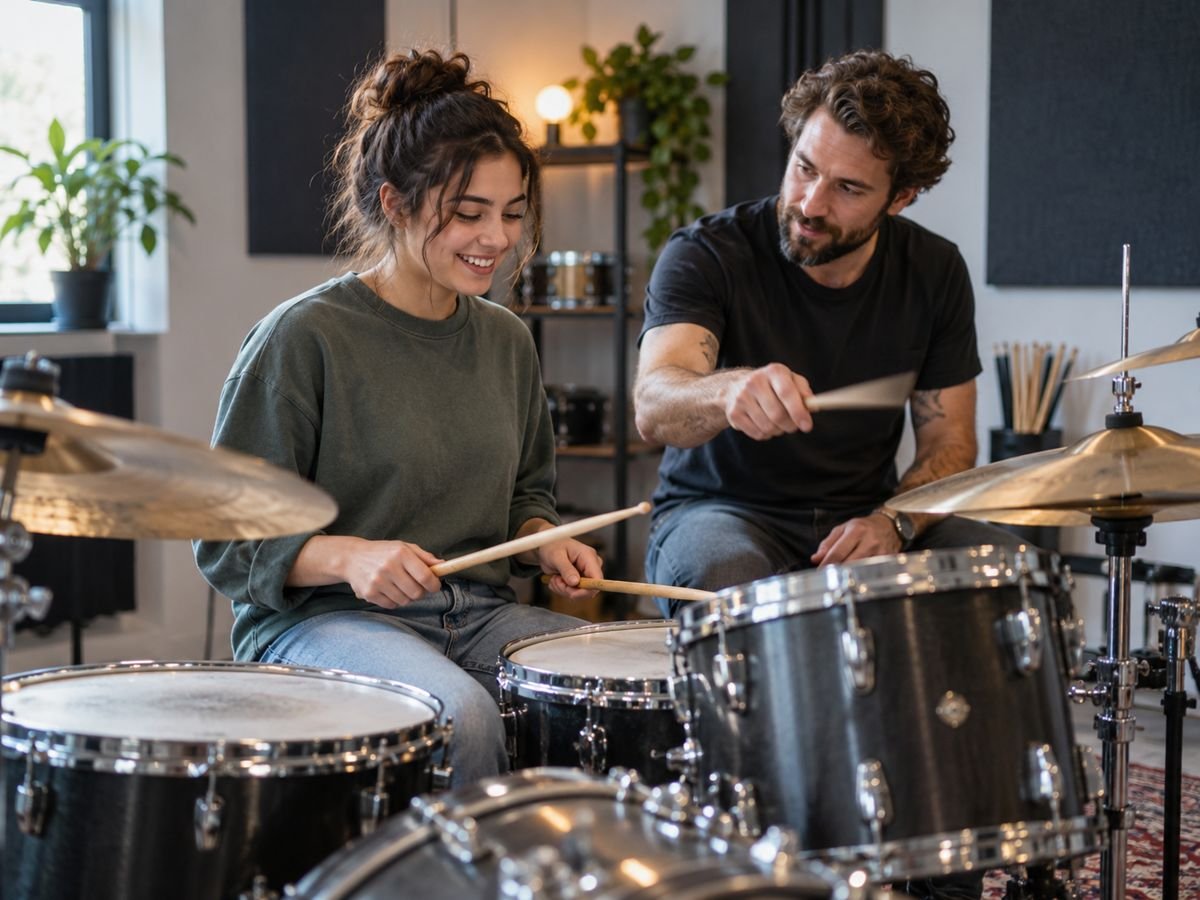
Learning to play the drums is an exciting experience. Whether you're inspired by your favourite rock band, interested in exploring jazz rhythms, or simply looking for a creative hobby, drumming offers an enjoyable way to engage with music. However, before picking up a pair of drumsticks, many beginners face an important question: are drum lessons worth the investment?
With countless online tutorials, instructional videos, and self-teaching resources available, learning independently has become increasingly accessible. While these options offer flexibility and convenience, professional drum lessons provide structured guidance, personalised feedback, and opportunities to develop essential musical skills.
The right choice depends on several factors, including your learning preferences, available time, budget, and musical ambitions. Understanding what drum lessons involve and how they compare with self-directed learning may help you make an informed decision.
What Do Beginners Actually Learn in Drum Lessons?
Professional drum lessons typically begin with foundational skills that help students develop control, coordination, and confidence behind a drum kit. Rather than immediately attempting complicated songs, beginners usually start by understanding how the instrument works.
Understanding the Fundamentals of Drumming
During their initial lessons, students may learn how to hold drumsticks correctly, maintain comfortable posture, and recognise the different components of a drum kit.
Essential techniques often include:
- Basic rhythm and timing: Understanding beats, tempo, and simple rhythmic patterns.
- Hand and foot coordination: Learning to control different limbs independently.
- Drumstick technique: Developing comfortable grip and controlled movement.
- Basic drum notation: Recognising how rhythms are represented in written music.
- Simple drum patterns: Combining the snare drum, bass drum, and hi-hat to create familiar beats.
These skills provide a foundation for exploring different musical genres and increasingly challenging techniques.
Understanding fundamental concepts such as rhythm and notation is particularly useful for beginners. Resources discussing what beginners should learn in music theory also highlight the importance of developing musical knowledge alongside practical skills.
How Structured Lessons Support Progress
One advantage of structured drum lessons is the opportunity to follow a learning pathway suited to individual abilities.
Instructors may introduce new techniques gradually, helping students build confidence before progressing to more complicated exercises. They may also identify issues with timing, posture, or technique that beginners might overlook when practising independently.
For example, those researching structured instruction might explore Melbourne drum lessons at The SoundLab to understand how organised music instruction accommodates beginners and more experienced players.
However, structured learning does not necessarily mean following a rigid programme. Effective instruction should consider a student's preferred musical styles, existing abilities, and personal goals.
Professional Drum Lessons vs Learning Independently
Choosing between professional instruction and self-teaching is one of the most common decisions beginners face.
Both approaches offer advantages, and neither is automatically suitable for everyone.
Benefits of Learning With an Instructor
Working with an experienced teacher offers opportunities for personalised guidance.
An instructor may identify technical difficulties early, recommend exercises for specific challenges, and explain unfamiliar concepts in practical terms.
Another benefit is accountability. Regular lessons encourage students to practise consistently and establish achievable learning goals.
Professional instruction may also help beginners explore unfamiliar musical styles and techniques they might not discover independently.
For individuals who prefer guidance and structured progression, this learning environment may be particularly valuable.
Benefits of Teaching Yourself
Self-directed learning offers considerable flexibility.
Beginners may access instructional videos, online demonstrations, and practice exercises without committing to scheduled lessons.
This approach allows individuals to explore different musical styles and practise whenever their schedule permits.
Learning independently may also reduce initial expenses, particularly for those who want to experiment with drumming before making a larger commitment.
However, self-teaching requires discipline. Without external feedback, students may develop inefficient techniques or struggle to identify the reasons behind recurring difficulties.
Which Approach Offers Better Value?
The better option depends on personal circumstances.
Someone interested in casually exploring basic rhythms may find online resources sufficient initially. Meanwhile, an aspiring performer who wants to develop stronger technique might benefit from regular instruction.
Some learners combine both approaches by attending occasional lessons while using digital resources for additional practice.
Ultimately, the value of drum lessons should be measured not only by their cost but also by the quality of instruction, enjoyment, and progress experienced.
How Much Should Beginners Expect to Spend on Drum Lessons?
Cost is often an important consideration when deciding whether to begin music lessons.
Prices vary depending on the instructor, location, lesson format, and duration. Understanding these variables helps beginners compare options without focusing exclusively on the advertised fee.
Factors That Influence Lesson Pricing
Several considerations affect lesson costs.
Instructor experience: Teachers with extensive performance or teaching backgrounds may charge higher fees.
Lesson duration: Longer sessions generally cost more than shorter appointments.
Individual or group instruction: Private lessons usually provide more personalised attention, while group sessions may offer a more affordable alternative.
Learning environment: Studio facilities, equipment availability, and teaching arrangements may influence pricing.
Before enrolling, students should clarify what is included in the advertised fee and whether additional charges apply.
Additional Costs to Consider
Drum lessons are only one potential expense associated with learning the instrument.
Beginners may also need drumsticks, a practice pad, hearing protection, and eventually a drum kit.
Fortunately, purchasing a complete drum kit is not always necessary immediately. A simple practice pad allows students to develop stick control and basic rhythmic skills without occupying significant space.
Those living in apartments or shared accommodation may also consider electronic drum kits, although noise, vibration, and space requirements remain relevant.
Ways to Manage Your Budget
Before investing in expensive equipment, beginners should consider their commitment level and available resources.
Starting with essential accessories, exploring introductory lessons, and establishing a realistic practice schedule may help manage expenses.
It is also worth asking whether a music school provides equipment during lessons, as this may reduce the need for immediate purchases.
What Makes a Good Drum Teacher?
Finding the right teacher can significantly influence the learning experience.
While technical ability matters, an excellent performer is not automatically an effective instructor. Teaching requires communication, patience, and the ability to adapt explanations to different learners.
Teaching Experience and Communication
A suitable instructor should explain concepts clearly and demonstrate techniques at an appropriate pace.
Beginners often benefit from teachers who encourage questions and provide constructive feedback without creating unnecessary pressure.
It is also important to consider whether the instructor understands your musical interests.
For example, someone hoping to play rock music may have different priorities from a student interested in jazz, orchestral percussion, or contemporary pop.
Reading Student Reviews and Feedback
Reviews provide useful insights into the experiences of previous students.
Rather than focusing exclusively on star ratings, prospective learners should look for detailed comments about teaching quality, communication, reliability, and lesson structure.
Feedback that describes specific learning experiences may be more informative than generic praise.
Consumer information platforms also encourage people to compare experiences and assess services carefully. Understanding the importance of informed consumer decisions may be useful when evaluating music instructors and education providers.
However, reviews should be considered alongside other information, including teacher experience, lesson arrangements, and personal preferences.
How Long Does It Take to Become Comfortable Playing the Drums?
One of the most common questions beginners ask is how quickly they might start playing recognisable rhythms.
There is no universal answer.
Progress depends on practice frequency, previous musical experience, coordination, teaching methods, and individual learning goals.
Setting Realistic Expectations
During the early stages, students generally focus on maintaining a steady beat and coordinating basic movements.
As confidence develops, they may begin combining more challenging patterns, introducing fills, and playing along with familiar songs.
Some learners find basic rhythms relatively easy, while others require additional time to develop coordination.
Both experiences are normal parts of learning an instrument.
Why Consistency Matters More Than Speed
Regular practice is often more useful than occasional lengthy sessions.
Short, focused exercises allow students to reinforce techniques and gradually improve muscle memory.
For example, practising a simple rhythm at a manageable tempo may be more productive than repeatedly attempting a difficult song without understanding its structure.
Progress becomes easier to recognise when learners set achievable goals, such as maintaining a steady beat, improving coordination, or completing a short musical passage.
Most importantly, learning should remain enjoyable rather than becoming a race towards technical perfection.
Common Mistakes Beginners Should Avoid
Starting drum lessons is exciting, but several common mistakes may make the learning process unnecessarily challenging.
Buying Expensive Equipment Too Early
A premium drum kit is not essential for learning basic rhythms.
Beginners should first understand their needs, available space, and commitment level before making significant purchases.
Skipping Fundamental Techniques
Many new drummers want to play fast rhythms or complicated songs immediately.
However, overlooking basic timing, posture, and stick control may create difficulties later.
Developing strong foundations generally supports more confident progression.
Choosing Lessons Based Only on Price
Affordable lessons may provide excellent value, but the lowest advertised price does not always indicate the most suitable learning experience.
Teaching quality, communication, accessibility, and individual compatibility also deserve consideration.
Expecting Immediate Results
Learning an instrument involves repetition, patience, and occasional frustration.
Beginners should recognise small improvements rather than comparing themselves with experienced musicians.
Neglecting Regular Practice
Attending lessons without practising between sessions may limit progress.
Even brief practice sessions may help reinforce techniques introduced during formal instruction.
Questions to Ask Before Booking Drum Lessons
Before committing to a music school or private instructor, prospective students should gather enough information to make a confident decision.
Useful questions include:
- Does the teacher have experience working with complete beginners?
- Are lessons tailored to individual musical interests and learning goals?
- Is equipment provided during sessions?
- How long does each lesson last?
- Are individual and group lessons available?
- What qualifications or relevant experience does the instructor have?
- Are there cancellation policies or minimum booking commitments?
- What additional costs should students anticipate?
- How much practice is recommended between lessons?
- Is there an opportunity to discuss learning goals before enrolling?
These questions help establish realistic expectations and may prevent misunderstandings later.
For parents considering lessons for children, it is also worthwhile to ask about age-appropriate teaching methods, supervision, and the instructor's experience working with younger learners.
Exploring examples of structured music and arts education may provide additional context when comparing different approaches to learning creative skills.
Are Drum Lessons a Worthwhile Investment?
Drum lessons may offer meaningful value for beginners who appreciate structured learning, personalised guidance, and regular feedback.
They provide opportunities to develop foundational techniques, build confidence, and explore different musical styles with support from an experienced instructor.
However, professional instruction is not the only way to learn. Self-directed resources may suit individuals who prefer flexible schedules, independent exploration, or a lower initial financial commitment.
The most suitable approach depends on personal learning preferences, available resources, and long-term goals.
Before enrolling, consider your budget, compare teaching options, review student experiences, and establish what you hope to achieve.
Whether you choose professional lessons, independent practice, or a combination of both, the most rewarding aspect of learning the drums is discovering the enjoyment of making music.
With patience, consistency, and curiosity, beginners may develop skills that provide creative satisfaction for years to come.
Tags : drum lessons