Applique Digitizing: A Practical Approach to Detailed and Efficient Embroidery
By Rebecca Ortego 29-12-2025 49
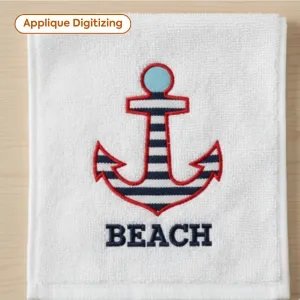
Applique embroidery is a popular technique used to create bold, layered, and visually appealing designs. By combining fabric pieces with stitching, applique reduces stitch count while adding texture and depth to embroidery projects. The success of this technique depends heavily on applique digitizing, a specialized process that ensures fabric placement and stitching are accurately controlled by the embroidery machine.
This guest post explains what applique digitizing is, how it works, and why professional digitizing is essential for producing clean, durable, and consistent applique embroidery results.
What Is Applique Digitizing?
Applique digitizing is the process of converting artwork into an embroidery file specifically structured for applique embroidery. Unlike standard embroidery digitizing, applique digitizing includes multiple steps that guide the machine through fabric placement, securing, and finishing.
A properly digitized applique file contains placement stitches to mark where the fabric should be positioned, tack-down stitches to hold the fabric in place, and finishing stitches that cover raw edges. Each step is planned carefully so the applique fabric remains aligned, secure, and visually clean during stitching and after repeated use.
Why Applique Digitizing Is Important
Applique embroidery relies on precise coordination between fabric and stitching. Without accurate digitizing, fabric pieces may shift, edges can fray, or designs may appear uneven.
Professional applique digitizing ensures that fabric placement is accurate, edges are neatly finished, and stitch transitions remain smooth. It also reduces excessive stitch density, helping maintain fabric flexibility and improving production efficiency. Well-digitized applique designs remain reliable during stitching and durable over time.
Core Elements of Applique Digitizing
Successful applique digitizing involves several technical components working together. Each element contributes to stability, appearance, and machine performance.
Key elements include:
- Placement stitches to guide accurate fabric positioning
- Tack-down stitches to secure applique fabric
- Satin or decorative stitches to finish edges
- Proper stitch sequencing to maintain smooth operation
- Balanced stitch density to protect fabric integrity
These elements ensure the applique design remains consistent throughout the embroidery process.
Common Uses of Applique Digitizing
Applique digitizing is often used when designs require bold shapes, layered effects, or large coverage areas without excessive stitching. It is commonly applied in apparel and decorative embroidery projects.
Typical uses include lettering and numbers on garments, logos with solid shapes, patches, themed designs for clothing, and quilting or decorative embroidery. Applique provides design flexibility while keeping stitch counts lower than full-fill embroidery.
Benefits of Professional Applique Digitizing
Although applique embroidery may look simple, achieving clean results requires technical expertise. Professional digitizing ensures each design is adjusted based on fabric type, machine settings, and production requirements.
Professional applique digitizing helps reduce thread usage, improves edge coverage, ensures consistent fabric placement, and enhances machine efficiency. Skilled digitizers also account for fabric stretch and thickness, minimizing misalignment and production issues.
Fabric Considerations in Applique Digitizing
Fabric behavior directly affects how applique designs are digitized. Different materials respond differently to stitching, tension, and movement.
Thicker fabrics often need stronger tack-down stitches, while lightweight fabrics require lighter stitching to avoid puckering. Stretch fabrics need flexible stitch patterns to maintain alignment. Professional applique digitizing accounts for these factors to ensure the fabric and stitching work together effectively.
Common Problems Caused by Poor Applique Digitizing
Inaccurate applique digitizing can lead to visible flaws and production inefficiencies. Common issues include incorrect placement stitches, weak tack-down stitches, uneven edge coverage, and poor stitch sequencing.
These problems can cause fabric shifting, fraying edges, or incomplete coverage. Professional digitizing reduces these risks by carefully planning each step before production begins.
Choosing the Right Applique Digitizing Service
Selecting a reliable applique digitizing service requires attention to experience, technical skill, and consistency. A dependable provider understands embroidery mechanics, applique techniques, and fabric behavior.
Clean stitch planning, balanced density, accurate placement steps, and customization options are key indicators of quality digitizing. Clear communication also plays an important role in achieving reliable results.
Final Thoughts
Applique digitizing is a critical process for producing clean, efficient, and visually strong applique embroidery. By combining precise fabric placement with controlled stitching, applique designs achieve bold results while reducing stitch count and improving durability.
Investing in professional applique digitizing helps prevent production issues, improves efficiency, and ensures consistent embroidery quality. Whether for apparel, decorative projects, or custom designs, accurate applique digitizing provides a dependable foundation for successful applique embroidery.
Frequently Asked Questions (FAQs)
1. What is the difference between applique digitizing and regular embroidery digitizing?
Applique digitizing includes additional steps for fabric placement and securing, while regular embroidery digitizing focuses only on stitching. Applique files guide the machine through placement, tack-down, and edge finishing.
2. Does applique digitizing reduce stitch count?
Yes, applique digitizing typically reduces stitch count by replacing large filled stitch areas with fabric pieces, making designs more efficient to produce.
3. Can applique digitizing be used on all fabrics?
Applique can be used on many fabrics, but digitizing must be adjusted based on fabric thickness, stretch, and texture to ensure clean results.
4. Why should I choose professional applique digitizing instead of software auto-digitizing?
Professional digitizing accounts for fabric behavior, stitch sequencing, and edge finishing, which automated tools often fail to handle accurately, resulting in better durability and appearance.
Tags : Applique Digitizing