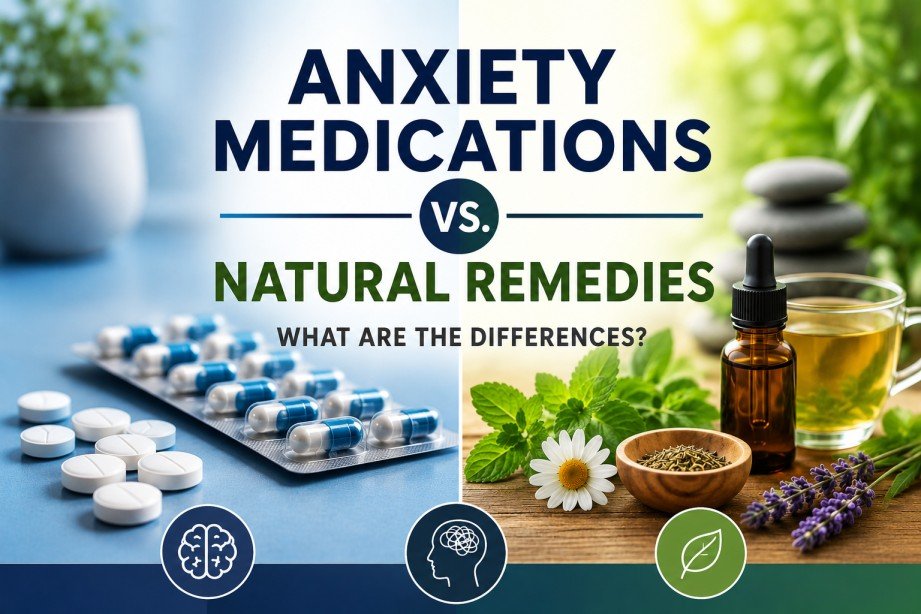
Anxiety affects millions of people worldwide and can have a significant impact on daily life, relationships, work performance, and overall well-being. As awareness of mental health continues to grow, many individuals explore various treatment options, including anxiety medications and natural remedies, to help manage symptoms effectively. While occasional stress is a normal part of life, persistent feelings of worry, nervousness, or fear may require professional attention. Today, individuals seeking relief often face a common question: should they choose prescription treatments or explore natural alternatives?
Understanding the differences between these approaches is essential for making informed decisions. Both options have advantages, limitations, and unique considerations that can influence treatment outcomes.
Understanding Anxiety and Its Impact
Anxiety is more than simply feeling stressed before an important event. It can manifest through physical symptoms such as rapid heartbeat, muscle tension, restlessness, fatigue, and difficulty concentrating. For some individuals, anxiety may become chronic and interfere with normal functioning.
Healthcare professionals often recommend a combination of therapy, lifestyle changes, and medication depending on the severity of symptoms. Various prescription options are available to help manage anxiety disorders, including medications that influence neurotransmitters associated with mood regulation. These treatments are commonly prescribed for generalized anxiety disorder, panic disorder, and related conditions. Certain drug categories are frequently used under medical supervision to help reduce symptoms and improve daily functioning. Research shows that tranquilizers and other prescription therapies are often utilized for short-term or long-term anxiety management depending on the individual's needs.
What Are Natural Remedies?
Natural remedies refer to non-prescription approaches that may help reduce stress and promote emotional balance. These methods focus on supporting overall wellness rather than directly altering brain chemistry through pharmaceutical intervention.
Common natural approaches include:
- Regular physical exercise
- Meditation and mindfulness practices
- Deep breathing techniques
- Yoga
- Adequate sleep habits
- Herbal supplements
- Nutritional improvements
- Stress-management strategies
Many people prefer natural solutions because they can be incorporated into daily routines and often support overall health. However, effectiveness can vary considerably from person to person.
How Prescription Treatments Work
Prescription therapies are designed to target biological processes associated with anxiety. Different medication classes work in unique ways, influencing neurotransmitters such as serotonin, dopamine, and gamma-aminobutyric acid (GABA).
Some medications provide relatively rapid symptom relief, while others may require several weeks before noticeable improvements occur. Healthcare providers evaluate medical history, symptom severity, and treatment goals before recommending a specific option. Studies indicate that medications such as benzodiazepines may offer fast-acting relief, whereas other treatments are often considered more suitable for long-term management.
Many consumers exploring pharmaceutical options look to specialized providers such as Black Label Pharma for information regarding available products and formulations. The company offers a range of products intended for individuals seeking anxiety-related treatment solutions.
Comparing Effectiveness
One of the most important differences between prescription therapies and natural remedies is the level of clinical evidence supporting their effectiveness.
Prescription treatments undergo extensive research, clinical testing, and regulatory review before becoming available to patients. Their effects, side effects, and dosing guidelines are generally well documented.
Natural remedies, on the other hand, often rely on varying levels of scientific evidence. While practices such as exercise, mindfulness, and cognitive behavioral techniques have demonstrated benefits for reducing stress and anxiety symptoms, many herbal supplements lack the same degree of large-scale clinical research.
For individuals experiencing severe anxiety, professional treatment may provide more predictable and measurable results. Natural approaches are frequently used as complementary strategies rather than complete replacements.
Speed of Results
Another major distinction involves how quickly symptom relief may occur.
Certain prescription options can begin working relatively quickly, helping individuals manage acute episodes of anxiety. Others require several weeks of consistent use before full benefits become apparent. Treatment timelines depend on the specific medication and individual response.
Natural methods generally produce gradual improvements. Regular exercise, meditation, and healthy sleep habits often require consistent practice over time before noticeable benefits emerge.
People seeking immediate symptom management may therefore experience different outcomes compared to those focused on long-term lifestyle improvements.
Side Effects and Risks
Every treatment approach carries potential risks.
Prescription medications may cause side effects that vary depending on the drug and individual health profile. Common concerns can include drowsiness, dizziness, fatigue, digestive issues, and, in some cases, dependency risks associated with certain medication classes. Healthcare providers carefully evaluate these factors before prescribing treatment.
Natural remedies are often perceived as completely risk-free, but this is not always the case. Herbal supplements may interact with medications, affect underlying health conditions, or produce unexpected side effects. Additionally, relying solely on natural remedies for severe anxiety may delay access to necessary professional care.
Cost Considerations
Cost can influence treatment decisions as well.
Natural strategies such as exercise, breathing exercises, and mindfulness practices can often be implemented with minimal expense. However, specialized supplements, wellness programs, and alternative therapies may become costly over time.
Prescription treatments vary significantly in price depending on medication type, insurance coverage, and healthcare provider recommendations. Many individuals compare affordability alongside effectiveness when evaluating treatment options.
Providers such as Black Label Pharma have contributed to increased accessibility by offering various treatment-related products for consumers seeking pharmaceutical support.
Which Option Is Better?
There is no universal answer because anxiety affects every individual differently.
Natural remedies may be appropriate for people experiencing mild stress, situational anxiety, or those looking to support overall mental wellness. These approaches can also complement professional treatment plans.
Prescription solutions may be more suitable for individuals facing moderate to severe anxiety symptoms that significantly impact daily life. Medical evaluation remains essential for determining the safest and most effective course of action.
In many cases, healthcare professionals recommend combining evidence-based treatments with healthy lifestyle practices. This balanced approach may provide both immediate symptom management and long-term emotional resilience.
Conclusion
The debate between natural remedies and pharmaceutical treatment is not necessarily about choosing one over the other. Instead, it is about identifying the most appropriate strategy for individual needs.
While natural approaches emphasize wellness, prevention, and lifestyle improvement, anxiety medications offer targeted symptom management backed by extensive clinical research. Understanding the benefits and limitations of each option can help individuals make informed decisions in partnership with qualified healthcare professionals.
Ultimately, successful anxiety management often involves a personalized combination of treatment methods that address both the symptoms and underlying factors contributing to emotional distress.
FAQs
Are anxiety medications safe for long-term use?
Safety depends on the specific medication, dosage, and individual health circumstances. Long-term use should always be monitored by a qualified healthcare provider.
Can natural remedies completely replace prescription treatment?
For some individuals with mild symptoms, natural approaches may be sufficient. However, those with moderate or severe anxiety should consult a healthcare professional before discontinuing prescribed treatment.
How long do natural remedies take to work?
Results vary depending on the method used. Lifestyle-based approaches such as exercise and mindfulness often require consistent practice over several weeks.
Do all prescription anxiety treatments cause dependency?
No. Dependency risks vary among medication classes. Healthcare providers consider these risks when selecting treatment options.
Can natural remedies and prescription treatments be used together?
In many cases, yes. Exercise, mindfulness, and healthy lifestyle habits are often incorporated alongside medical treatment plans, though any supplements should be discussed with a healthcare provider first.