Aluminium Glass Door for Small Homes: Ways to Separate Rooms Without Making Them Feel Smaller
By Cubo Collective 29-09-2026 1
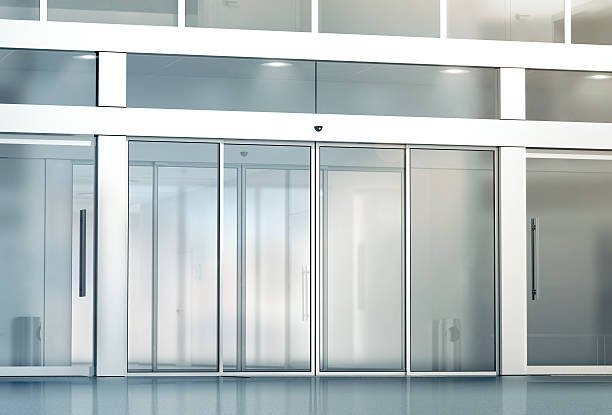
An aluminium glass door separates rooms while keeping sightlines open, which prevents the visual fragmentation that solid walls create in compact spaces. In small homes, transparent or translucent glass panels allow natural light to travel between zones, making each area feel larger than it actually is. This approach is practical, stylish, and increasingly popular in Singapore's HDB flats.
If you live in a 3-room or 4-room HDB flat, you already know the challenge. You want some separation between the living area and the home office, or between the bedroom and a study nook — but the moment you put up a solid wall or a heavy curtain, the whole space starts to feel boxed in. That tension between privacy and openness is exactly what a well-chosen aluminium glass door is designed to resolve.
Why Glass Doors Work Better Than Solid Dividers in Small Spaces
Solid partitions block light. That sounds obvious, but the impact on a small home is significant. When natural light cannot move freely through your flat, each room feels like a separate, smaller box. Glass doors eliminate that problem by maintaining visual continuity even when two zones are physically separated.
In Singapore, where the average HDB flat size ranges from roughly 65 sqm for a 3-room unit to about 90 sqm for a 4-room unit, every square metre matters. Homeowners who choose glass partitions during small home renovation projects consistently report that the space feels more breathable after the change — not just because of aesthetics, but because borrowed light from one zone genuinely brightens another.
Types of Aluminium Glass Doors Suited for Room Separation
Not every glass door works the same way in a compact layout. The type you choose affects both the function and how much visual openness you retain.
1. Sliding Glass Doors
A sliding door Singapore homeowners favour for tight spaces because it requires zero swing clearance. Instead of eating into floor area when opened, it glides along a track — either wall-mounted or ceiling-hung. This makes it ideal for separating a bedroom from a study, or a dining area from a living room, without sacrificing usable space.
Ceiling-hung sliding systems look particularly clean because there is no bottom track to trip over or collect dust. For HDB renovations, this is often the top recommendation from interior designers working within BTO or resale flat constraints.
2. Bi-Fold Glass Doors
Bi-fold doors fold flat against the wall when open, which makes them excellent for spaces that need to feel fully open at certain times and divided at others. A common use case in Singapore homes is separating the kitchen from the dining area — keeping cooking smells contained when needed, but opening the space completely during meals or social gatherings.
3. Pivot Glass Doors
Pivot doors rotate on a central or off-centre axis rather than swinging from a side hinge. They create a dramatic visual effect while still functioning as a room divider door. In smaller flats, a narrow pivot door works well for bedroom or study entrances where a full-width swing door would feel too imposing.
4. Fixed Glass Panels with a Door Insert
This configuration pairs a frameless or slim-framed fixed glass partition with an integrated door. It works beautifully as a glass partition in Singapore homes to define a home office or a reading corner without fully enclosing it. The fixed panel lets light pass through constantly, while the door provides access and sound dampening when closed.
How to Choose the Right Glass Type for Each Zone
The glass itself matters as much as the door style. Here is a quick breakdown of the most practical options for HDB homeowners:
Clear tempered glass maximises the sense of openness but offers little privacy. Frosted glass is the most common choice for bedroom separations — it lets light diffuse through while obscuring the view. Fluted glass has become a popular design trend in Singapore interiors recently, offering a textured look that adds character while maintaining partial light transmission.
Practical Room Separation Ideas for HDB Flats
Here are specific configurations that work well in typical Singapore small home layouts:
- Living room to home office: A sliding aluminium glass door with frosted or fluted glass creates a dedicated work zone without isolating it from the rest of the flat. When the workday ends, slide it open and the room blends back in.
- Master bedroom to walk-in wardrobe: A fixed glass panel with a pivot door insert keeps the dressing area visible, making the bedroom feel larger and the wardrobe feel like an intentional design feature rather than an afterthought.
- Kitchen to dining area: A bi-fold aluminium glass door handles the open-closed demand of a kitchen partition perfectly. Fully open during meals, closed during heavy cooking.
- Children's study corner: A slim-framed sliding glass partition can carve out a focused study nook within a shared bedroom. The child feels they have their own space, but parents can still keep an eye on things.
- Balcony integration: Many HDB renovation projects use aluminium glass doors to connect the balcony with the living area, visually expanding the flat while still being able to close off the outdoor zone when needed.
What to Consider Before Installation
Before committing to a glass partition or door system, there are a few things worth thinking through carefully:
HDB Renovation Rules
In Singapore, any structural or partition wall work in an HDB flat requires approval from the Housing & Development Board. Non-structural glass partitions and door installations generally fall outside the scope of major hacking works, but it is always worth confirming with your contractor and HDB's guidelines before proceeding. The HDB renovation guidelines are published on the official HDB website and are updated periodically.
Aluminium Frame Profiles
The frame profile affects both aesthetics and durability. Slimmer aluminium profiles give a more contemporary, minimal look — ideal if you want the glass to be the visual focus. Wider profiles offer more structural rigidity, which matters for larger door panels. Powder-coated aluminium frames resist the humidity and heat of Singapore's climate without rusting or warping over time.
Sound and Acoustic Considerations
Glass doors do reduce sound transmission compared to open doorways or curtains, but they are not soundproof. If noise isolation is a priority — for a home studio or a bedroom shared with a light sleeper — look for double-glazed glass panel options or ensure the door seals properly when closed.
Design Tips to Make the Most of Glass Partitions
- Keep frames consistent: Match the aluminium frame finish to other metal fixtures in your flat — door handles, light fittings, kitchen hardware. This creates a cohesive look without extra effort.
- Use ceiling-hung tracks where possible: This removes the visual clutter of floor tracks and makes cleaning easier.
- Layer with soft furnishings: A linen curtain panel behind a glass door adds warmth and adjustable privacy without blocking light entirely.
- Let light do the work: Position glass partitions to capture natural light from windows. A glass door between a sunlit room and a darker corridor can illuminate both zones effectively.
For HDB homeowners navigating the balance between function and feel, aluminium glass doors offer one of the most versatile solutions available in the market today. Cubo Collective's range of aluminium glass door systems is designed specifically for compact urban living — with slim frame profiles, ceiling-hung sliding options, and finishes suited to Singapore interiors. Their product range reflects a clear understanding of what small-space homeowners actually need, not just what looks good in a showroom.
Frequently Asked Questions
Can I install a glass partition in my HDB flat without HDB approval?
Non-structural glass partitions and door installations typically do not require HDB approval, but you should verify this with HDB's renovation guidelines before starting work. Always engage a licensed HDB contractor to ensure compliance and avoid penalties during or after your renovation.
Which aluminium glass door type is best for a small bedroom?
A ceiling-hung sliding glass door is generally the best choice for small bedrooms as it requires no swing clearance. Frosted or fluted glass provides privacy while still allowing light to pass through, keeping the room feeling open rather than enclosed.
Are aluminium glass doors durable in Singapore's humid climate?
Yes. Powder-coated aluminium frames resist rust, warping, and corrosion caused by humidity and heat. Tempered safety glass used in quality door systems is also highly durable. When properly installed, aluminium glass doors require minimal maintenance and perform reliably in Singapore's tropical conditions.
How much does it typically cost to install a glass partition in Singapore?
Costs vary depending on the glass type, frame profile, and door mechanism. Basic sliding glass door systems can start from a few hundred dollars, while more complex bi-fold or switchable glass configurations cost significantly more. Getting a detailed quote based on your flat's specific dimensions is the most reliable approach.
Does a glass door between rooms help with light distribution in a dark flat?
Yes, significantly. Clear or lightly frosted glass allows natural light to travel between zones, which can brighten areas that do not have direct window access. This borrowed light effect is one of the main reasons interior designers recommend glass partitions for north-facing or lower-floor HDB units in Singapore.
What is the difference between a room divider door and a fixed glass partition?
A room divider door is operable — it opens and closes to control access and privacy. A fixed glass partition is stationary and purely defines space visually. Many installations combine both: a fixed glass panel alongside an integrated door, offering the light benefits of a partition with the practicality of a closable entrance.
Tags : aluminium glass door