AI in Diagnostics: Transforming Early Disease Detection and Saving Lives
By Sam Pinkman 30-09-2025 359
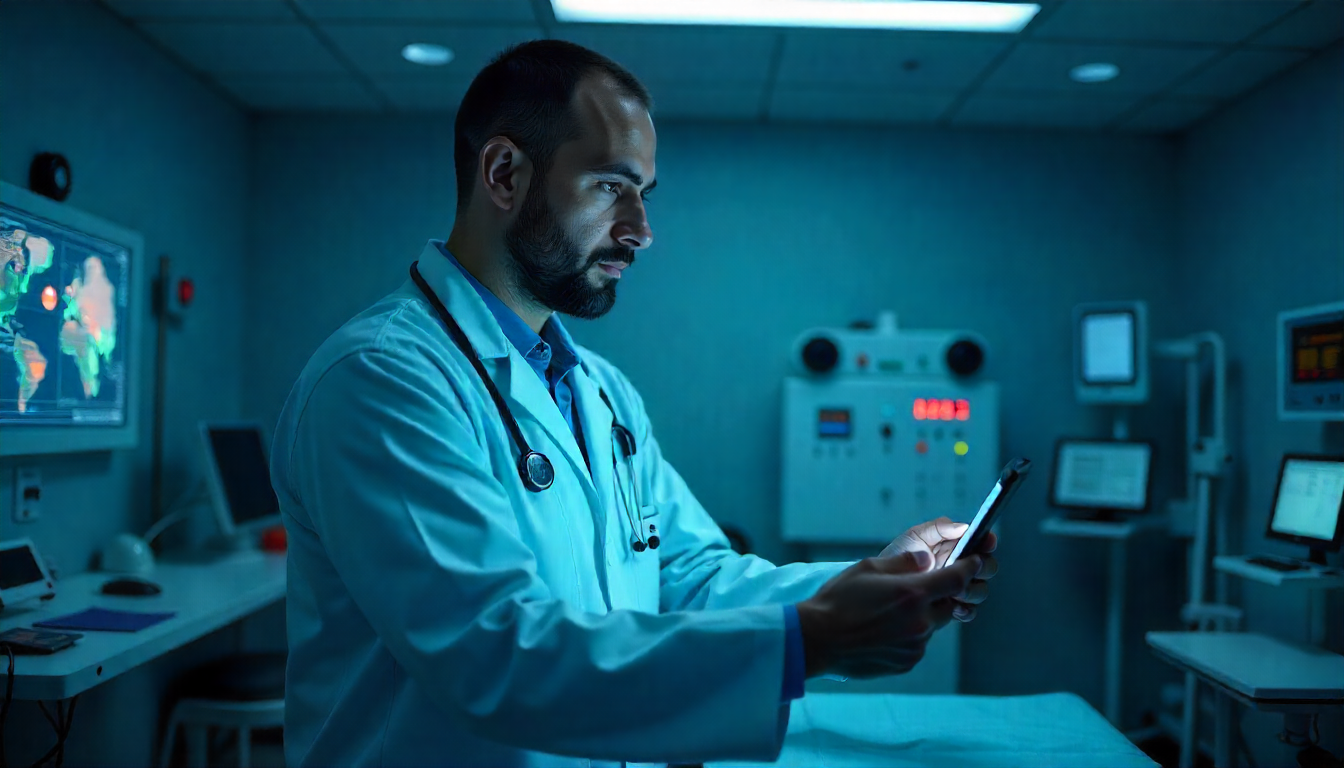
In recent years, artificial intelligence has become one of the most transformative forces in healthcare, particularly in the field of diagnostics. By leveraging machine learning (ML), deep learning, and advanced data analytics, AI is revolutionizing how medical professionals detect, diagnose, and manage diseases even before symptoms appear. The recent AI based healthcare systems can assist medical professionals in a variety of ways, enabling them to accurately diagnose diseases.
The technological advancements of AI not only improve the accuracy and speed of diagnosis but are also saving lives through earlier interventions and personalized treatment plans. It can highlight underlying issues and detect serious diseases such as heart diseases or lung cancer earlier.
Together, these technologies create personalized and effective treatment plans, which directly leads to longer life expectancy and improved quality of life for patients. In this blog, you will explore how AI and machine learning are revolutionizing diagnostics, enabling earlier disease detection and saving countless lives.
The Power of Early Detection
Early diagnosis is crucial in the treatment of many serious conditions, including cancer, cardiovascular disease, and neurological disorders. The earlier a disease is detected, the greater the chances of successful treatment and improved patient outcomes. Unfortunately, many illnesses are asymptomatic in their early stages and are often diagnosed only after they have progressed significantly.
Traditional diagnostic methods rely heavily on physician expertise, physical exams, lab tests, and imaging. These methods are very effective but time-consuming, resource-intensive, and subject to human error or bias. This is where AI steps in as a game-changer.
How AI and Machine Learning Are Enhancing Diagnostics
AI-driven tools can analyze vast amounts of complex medical data far more quickly and accurately than a human ever could. This includes imaging scans, electronic health records (EHRs), lab results, genetic information, and even data from wearable devices. By identifying patterns and correlations that may go unnoticed by clinicians, AI systems assist in making earlier and more accurate diagnoses.
Key Applications of AI in Early Disease Detection
Medical Imaging Analysis
AI-based tools are widely used by radiologists, doctors and other healthcare staff to interpret X-rays, MRIs, CT scans, and mammograms with incredible precision. AI algorithms can detect abnormalities such as tumors, lesions, or organ anomalies in seconds. For instance, AI can detect early signs of breast cancer from mammograms with higher accuracy, improving the chances of cure.
Predictive Analytics
Machine learning models can predict the likelihood of a patient developing a condition based on their medical history, genetic profile, lifestyle, and demographic data. These predictive tools are used to flag high-risk individuals for diseases like diabetes, stroke, and heart disease long before symptoms appear.
Genomic Analysis
AI is being used to interpret genetic data to identify mutations linked to hereditary diseases, such as certain types of cancer or neurological disorders. This allows for proactive monitoring and even preventive interventions in genetically predisposed individuals.
Natural Language Processing (NLP) in EHRs
AI can extract valuable insights from unstructured text in electronic health records, such as physician notes and discharge summaries to identify hidden health risks or missed diagnoses.
Remote Monitoring & Wearable Tech
Data from wearable health devices like smartwatches, fitness trackers is being integrated into diagnostic models to provide real-time health monitoring. AI algorithms analyze this data to detect irregular heartbeats, oxygen level fluctuations, or changes in physical activity, potential early indicators of more serious conditions.
AI in the post-COVID Era
The COVID-19 pandemic highlighted the limitations of traditional healthcare systems and encouraged people to embrace digital health technologies. In the post-pandemic world, people demand for more personalized and proactive healthcare. Patients are more aware of their health and seek continuous monitoring beyond occasional doctor visits.
AI is perfectly positioned to meet this demand by offering continuous, real-time analysis of patient data and enabling doctors to intervene sooner. This makes the job of healthcare professionals easier while empowering patients with knowledge about their own health.
Impact on Patient Outcomes and Healthcare Efficiency
AI’s role in diagnostics goes beyond just accuracy; it is also about efficiency and scalability. Automated analysis reduces the workload on clinicians, enabling them to provide excellent patient care. It also cuts down the time between testing and diagnosis, which is critical in emergency cases like stroke or heart attacks.
Early detection leads to early treatment, which typically means:
- Lower treatment costs
- Shorter hospital stays
- Reduced need for invasive procedures
- Improved life expectancy rates
- Enhanced quality of life
The Role of Medical Schools
The integration of AI in diagnostics is not just about technology; it’s about saving lives through earlier, more accurate detection and treatment. Caribbean med schools have a pivotal role to play in preparing the next generation of healthcare professionals to work effectively with AI.
Medical schools must adapt to train healthcare professionals who can collaborate with ML and AI technologies. These institutions must lead this transformation by equipping future physicians with the knowledge, ethical grounding, and interdisciplinary mindset to harness AI responsibly and effectively.
Curriculum Modernization
· Introduce AI, machine learning, and data science concepts into medical education.
· Teach their students to critically evaluate AI tools, understanding their limitations and ethical implications.
Interdisciplinary Collaboration
· Encourage collaboration between medical students, engineers, data scientists, and ethicists.
· Develop joint degree programs (e.g., MD + MS in AI or Biomedical Informatics).
Research and Innovation Hubs
· Establish AI-focused research centers in partnership with tech companies and hospitals.
· Provide funding and mentorship for student-led AI diagnostic tools and innovations.
The Future of AI in Diagnostics
As AI continues to evolve, we can expect even more advanced capabilities, such as:
- Multi-modal diagnostics, where data from imaging, labs, genetics, and patient-reported symptoms are analyzed together for a more comprehensive view.
- Real-time diagnostic assistants embedded in clinical software to support decision-making.
- Personalized diagnostic models, tailored to an individual’s unique biology and health history.
With proper validation, regulation, and ethical oversight, AI has the potential to redefine diagnostic medicine and save millions of lives through early and accurate disease detection.
Conclusion
Artificial Intelligence is an amazing tech that will not replace doctors; it will empower them. By processing vast and complex medical data with speed and precision, AI is enabling earlier diagnosis, better treatment planning, and more personalized patient care. The ultimate goal is not just technological advancement, but saving lives and AI is proving to be one of the most powerful tools in achieving that mission.
As we continue to refine these technologies and integrate them thoughtfully into healthcare systems, the promise of AI in diagnostics will move from potential to reality, transforming the clinical world for the better.