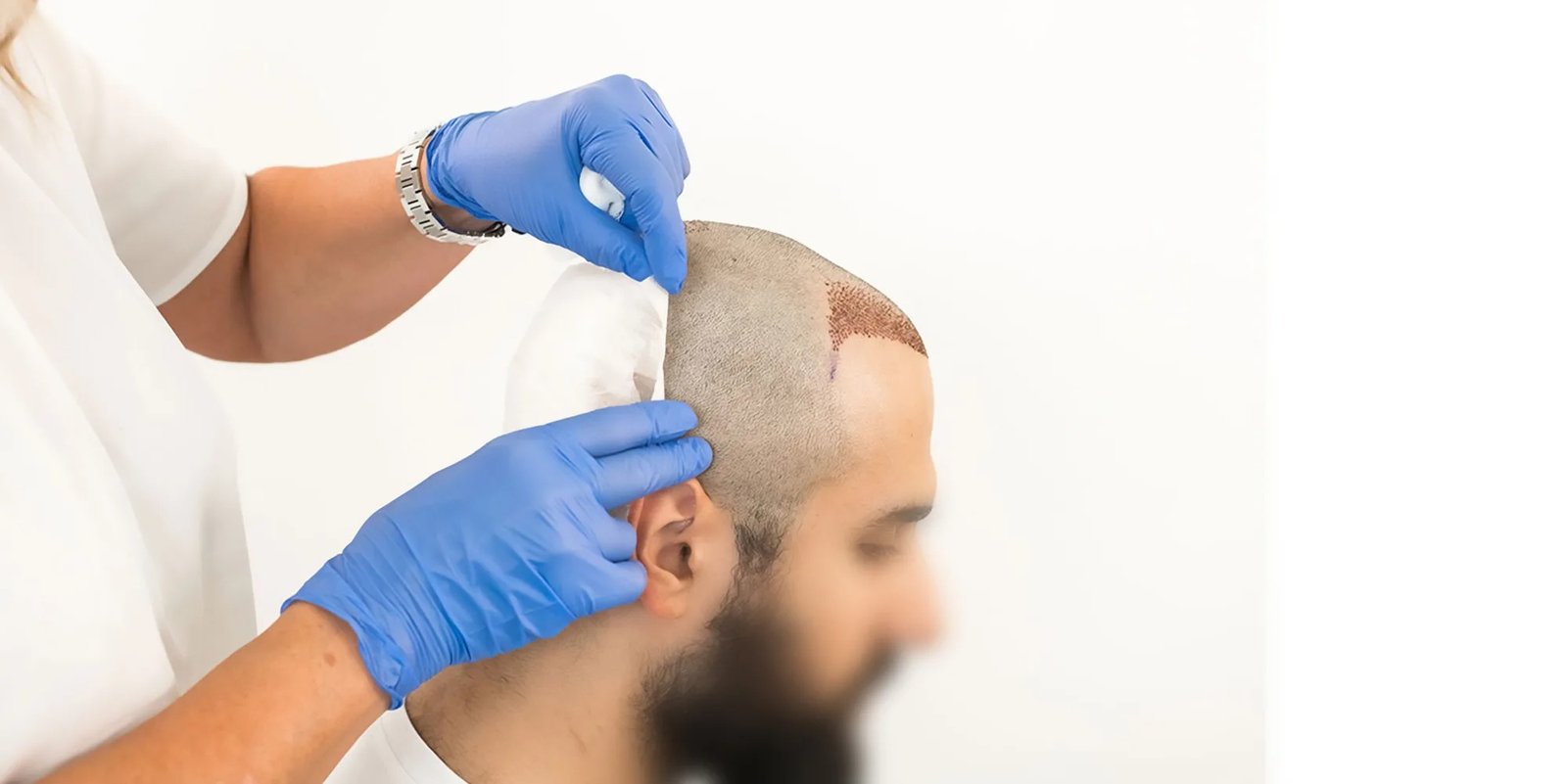
Hair restoration has evolved considerably with the introduction of digital planning, precision-assisted procedures, and advanced follicular technologies. For people experiencing progressive thinning, receding hairlines, or reduced density, modern approaches can provide more personalized options than traditional restoration methods alone. Robotic Hair Transplant in Dubai is part of this broader movement toward technology-supported hair restoration, combining detailed assessment with tools designed to assist follicle selection, planning, and placement.
The appeal of robotic assistance comes largely from its potential to improve procedural consistency and support the treatment team during technically demanding stages. However, technology should not be viewed as a replacement for medical judgment. Candidate suitability, donor-area quality, hair-loss pattern, treatment goals, and long-term planning remain central to achieving a natural-looking outcome.
Dubai offers a diverse healthcare environment where patients can explore hair restoration through specialist aesthetic centers and multidisciplinary hospitals. The right choice depends on more than the presence of advanced equipment. Patients should consider the qualifications of the treating team, consultation standards, technology used, safety protocols, and how carefully the proposed treatment matches their individual needs.
Understanding the Role of Robotic Assistance in Hair Restoration
Robotic technology can support certain stages of follicular extraction and treatment planning by using digital imaging, magnification, and programmed guidance. Depending on the system and clinical protocol, technology may help identify suitable follicular units and improve consistency during selected procedural steps.
This does not mean every patient is automatically suitable for a robotic approach. Hair characteristics, donor density, previous procedures, scalp condition, and the extent of hair loss can all influence the recommended technique.
Tajmeels Clinic
Tajmeels Clinic is among the Dubai aesthetic centers patients may consider when researching technology-supported hair restoration. A consultation can help determine whether a robotic-assisted approach is appropriate or whether another follicular restoration method would better suit the individual's pattern of hair loss.
Patients should ask about the technology available, who performs each stage of treatment, how grafts are assessed, and what type of follow-up is provided after the procedure.
Emirates Hospital
Emirates Hospital provides a broader healthcare setting in which patients can explore specialist consultations and treatment planning. For individuals considering robotic-assisted restoration, a hospital-based environment may be relevant when they value structured medical assessment alongside aesthetic treatment options.
A thorough consultation should address the underlying pattern of hair loss rather than focusing solely on increasing visible density. This can help establish whether surgical restoration is appropriate and how it fits into a longer-term hair management plan.
Enfield Royal Clinic
Enfield Royal Clinic is a notable option for patients exploring advanced hair restoration services in Dubai. When considering Robotic Hair Transplant in Dubai, prospective patients can benefit from discussing their individual hair-loss pattern, donor-area condition, desired density, and expectations during consultation.
The value of a modern hair restoration center extends beyond equipment. Careful assessment, individualized planning, appropriate follicular handling, and realistic discussions about outcomes are essential components of responsible treatment. Patients considering Enfield Royal Clinic should also ask which technologies are currently available and how the clinical team determines the most suitable approach for each case.
Al Zahra Hospital Dubai
Al Zahra Hospital Dubai offers patients access to a comprehensive healthcare environment and may be considered by those who prefer to explore hair-related concerns within a wider medical setting. Patients interested in advanced restoration should clarify which hair transplant techniques are currently offered and whether robotic assistance forms part of the available treatment pathway.
An appropriate assessment should consider factors such as family history, progression of hair loss, donor supply, scalp health, and expectations regarding density and appearance.
Cocoona Clinic
Cocoona Clinic is another Dubai-based aesthetic center that patients may research when comparing modern hair restoration options. A useful consultation should explain how the proposed procedure would address the individual's specific areas of thinning and whether technology-assisted follicular extraction is appropriate.
Patients can also ask about treatment planning, post-procedure instructions, follow-up appointments, and the expected timeline for visible changes. These details can be just as important as the technology itself when evaluating a hair restoration provider.
King’s College Hospital London Dubai
King’s College Hospital London Dubai provides a hospital-based healthcare setting for individuals seeking professional medical evaluation. Patients exploring robotic-assisted hair restoration can discuss their concerns during consultation and determine whether surgical restoration is medically and practically appropriate.
Because hair loss can have different causes, a comprehensive assessment is important before selecting a treatment technique. A structured approach can help distinguish between temporary shedding, progressive pattern hair loss, and other conditions that may require different management.
Dynamic Life Clinic
Dynamic Life Clinic is another facility that patients can investigate when comparing aesthetic and hair restoration services in Dubai. Individuals interested in robotic technology should ask detailed questions about the equipment used, the clinical team's experience, and how treatment plans are customized.
The consultation should also establish realistic expectations. Hair restoration generally focuses on improving coverage and appearance rather than recreating the exact density of naturally growing hair.
Dubai Cosmetic Surgery Clinic
Dubai Cosmetic Surgery Clinic represents another option for patients researching cosmetic and hair restoration care. Those considering advanced follicular procedures should evaluate the complete treatment pathway, from initial assessment and digital planning to aftercare and progress monitoring.
Patients may also benefit from asking whether the recommended technique is selected according to their individual characteristics rather than simply because a particular technology is available.
How to Choose the Right Clinic for Robotic Hair Transplant in Dubai
Choosing a hair restoration provider requires careful comparison rather than relying on technology alone. Start by reviewing the qualifications and experience of the medical team responsible for the procedure. Understanding who evaluates the patient, plans the treatment, and performs the key stages can provide useful insight into the quality of care.
Technology is another consideration. Patients should ask which robotic or digital systems are used, what role they play during treatment, and whether the technology is genuinely appropriate for their case. Advanced equipment should support clinical expertise rather than substitute for it.
Safety standards also deserve close attention. A reputable provider should maintain appropriate infection-control procedures, sterile equipment protocols, patient screening, and clear aftercare instructions. The consultation should be transparent about possible limitations, risks, recovery, and realistic results.
Patient experience matters as well. Clear communication before and after treatment can make the process easier to understand and help patients make informed decisions. A strong consultation should never pressure an individual into treatment.
Finally, expectations should be realistic. Hair growth takes time, and the final appearance develops gradually. A responsible provider should explain the anticipated progression and discuss whether additional medical hair-loss management may be useful alongside restoration.
Frequently Asked Questions
Is robotic hair transplantation suitable for everyone?
No. Suitability depends on factors including donor hair availability, hair-loss pattern, scalp health, age, expectations, and overall treatment goals. A professional assessment is necessary before deciding on a technique.
Does robotic assistance guarantee better hair growth?
No. Robotic technology can assist with certain procedural steps, but outcomes depend on multiple factors, including patient selection, follicle quality, clinical technique, aftercare, and the individual's natural hair-growth characteristics.
How long does it take to see results?
Hair restoration results develop gradually. Newly transplanted follicles generally require time before noticeable growth occurs, and improvement can continue over several months. The exact timeline varies between individuals.
Can robotic technology create a completely natural hairline?
A natural-looking hairline depends heavily on careful planning, appropriate follicle selection, placement direction, density, and the patient's existing hair characteristics. Technology can support the process, but clinical judgment remains essential.
What should I ask during a consultation?
Ask about the recommended technique, the role of robotic technology, the medical team's experience, donor-area assessment, expected recovery, potential risks, aftercare, and realistic long-term results. Understanding these factors can make the treatment decision more informed.
Conclusion
Modern hair restoration increasingly combines clinical expertise with digital tools designed to support precision and individualized planning. For suitable candidates, robotic assistance may form part of a carefully designed restoration strategy, but the technology should always be evaluated alongside safety, professional expertise, treatment planning, and realistic expectations. When comparing options for Robotic Hair Transplant, patients should focus on the complete standard of care rather than choosing a provider based solely on equipment or promotional claims.