Abstract Oil Painting: Depth, Expression, and the Art of Interpreting the Invisible
By Indian Art Ideas 15-01-2026 21
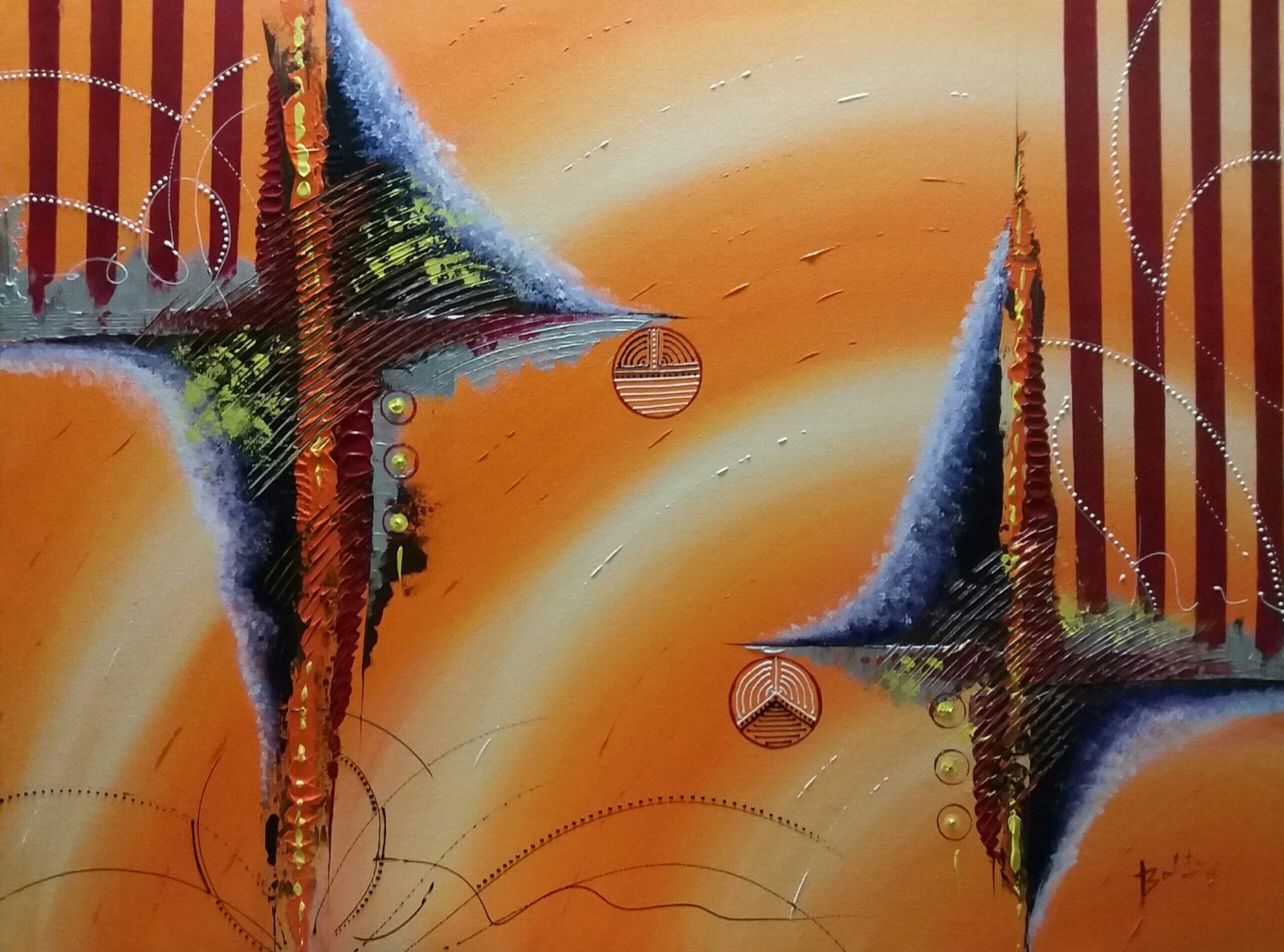
Where Emotion Takes Form on Canvas
Abstract oil painting occupies a distinctive space in the world of contemporary art—one where emotion, intuition, and imagination replace literal representation. Unlike figurative works that guide the viewer toward a defined subject, abstract oil paintings invite interpretation. They ask viewers not what they see, but what they feel.
Oil paint, with its rich texture, depth of color, and slow-drying nature, has long been favored by artists seeking nuance and expressive range. When combined with abstraction, it becomes a powerful medium capable of conveying layered emotion, movement, and philosophical thought. For collectors, designers, and art enthusiasts, abstract oil painting represents both artistic freedom and enduring visual value.
This guest post explores the creative philosophy behind abstract oil painting, its artistic significance, and practical insights for appreciating and collecting this compelling art form.
Understanding Abstract Oil Painting as a Visual Language
Abstract oil painting moves beyond recognizable imagery to focus on form, color, texture, and rhythm. It does not aim to imitate reality but to interpret inner landscapes—emotions, ideas, and states of mind.
Oil paint enhances this approach through its versatility. Artists can build translucent layers, create dramatic impasto textures, or blend colors seamlessly to achieve depth and complexity. Each brushstroke becomes a deliberate gesture, and each layer contributes to the narrative beneath the surface.
Rather than delivering a single meaning, abstract oil paintings evolve with the viewer. The same artwork may evoke calm, tension, or curiosity depending on one’s perspective, making it an ever-relevant form of expression.
The Evolution of Abstract Oil Painting
The roots of abstraction can be traced to artists who sought freedom from traditional realism. As artistic movements evolved, abstraction emerged as a response to changing social, philosophical, and emotional landscapes.
Oil painting played a crucial role in this evolution. Its adaptability allowed artists to experiment boldly—pushing boundaries of composition, scale, and technique. Over time, abstract oil painting became a platform for personal expression rather than representational accuracy.
In contemporary art, abstraction continues to evolve, incorporating influences from minimalism, expressionism, and conceptual art. Yet oil paint remains a constant, valued for its timeless quality and expressive potential.
Why Abstract Oil Painting Resonates Today
In a fast-paced, visually saturated world, abstract oil painting offers a pause—a space for reflection and emotional engagement. Its non-literal nature allows viewers to project their own experiences and emotions onto the canvas.
For modern collectors and interior designers, abstract oil paintings serve as versatile statement pieces. They complement a wide range of architectural styles and color palettes, making them ideal for homes, offices, and public spaces.
Beyond aesthetics, these artworks often carry emotional or intellectual depth, appealing to those who seek meaning rather than decoration alone.
Key Characteristics of Compelling Abstract Oil Paintings
Understanding what makes an abstract oil painting effective can deepen appreciation and guide thoughtful acquisition:
- Intentional Composition: Despite appearing spontaneous, strong abstract works are carefully balanced in form and movement.
- Layering and Texture: Oil paint allows for rich surfaces that reveal the artist’s process and add visual intrigue.
- Color Harmony: Thoughtful use of color creates mood, tension, or calm.
- Emotional Authenticity: The most powerful abstract works convey sincerity and artistic conviction.
These elements transform abstraction from randomness into a cohesive and engaging visual experience.
Actionable Advice for Collectors and Buyers
Collecting abstract oil painting is both a personal and informed process. Consider the following guidelines:
- Connect Emotionally First
Choose artworks that evoke a genuine response. Emotional connection often outweighs trends or market speculation. - Study the Artist’s Practice
Understanding an artist’s journey, influences, and technique adds depth to the artwork’s value. - Examine Craftsmanship
Look for quality in materials, layering, and finishing. Well-crafted oil paintings age beautifully. - Consider Scale and Space
Abstract works can dramatically influence a space. Ensure the painting’s size and energy align with its surroundings. - Invest in Originality
Original abstract oil paintings often carry lasting artistic and cultural significance.
Thoughtful collecting turns art ownership into a meaningful, long-term relationship.
Abstract Oil Painting in Contemporary Interior Design
Abstract oil paintings have become integral to modern interior design. Their flexibility allows them to function as focal points or subtle complements within a space.
Large-scale abstract works can anchor open interiors, while smaller pieces add sophistication and visual rhythm. The texture and depth of oil paint enhance lighting effects, making the artwork feel alive throughout the day.
Designers often choose abstract oil paintings to create mood—energizing corporate environments or calming residential spaces—without imposing a literal narrative.
The Future of Abstract Oil Painting
As artistic practices continue to evolve, abstract oil painting remains resilient and relevant. Contemporary artists are blending traditional oil techniques with modern concepts, sustainable practices, and experimental approaches.
Digital exposure has also expanded global appreciation, allowing abstract oil paintings to reach new audiences and collectors worldwide. Despite technological advances, the tactile, handcrafted nature of oil painting continues to hold unique appeal.
This balance between tradition and innovation ensures that abstract oil painting will remain a vital force in the art world.
Supporting Artists and Creative Growth
Behind every abstract oil painting is an artist’s vision, discipline, and experimentation. Supporting artists by collecting original works, engaging with exhibitions, and sharing their practice helps sustain creative ecosystems.
Such support encourages artistic risk-taking and ensures that abstraction continues to evolve as a living, dynamic form of expression.
Conclusion: Seeing Beyond the Surface
Abstract oil painting invites us to slow down, observe, and feel. It challenges conventional expectations of art by offering experience instead of explanation.
For collectors and enthusiasts, engaging with abstract oil painting is an opportunity to embrace ambiguity, explore emotion, and connect with creativity on a deeper level. Whether acquired for its visual impact or emotional resonance, each artwork becomes a personal reflection of interpretation and meaning.
In choosing abstract oil painting, we choose to look beyond the surface—and in doing so, discover new ways of seeing both art and ourselves.
Tags : abstract oil painting