Many people use Abacus and Mental Maths as synonyms. While there are differences in both, but at the same time there are many similarities as well which is the reason Abacus is often referred to as Mental Maths. Today we will take a look into both the similarities and differences in Abacus vs Mental Maths. But let's first understand their basic definition at a very high level.
What Is Abacus?
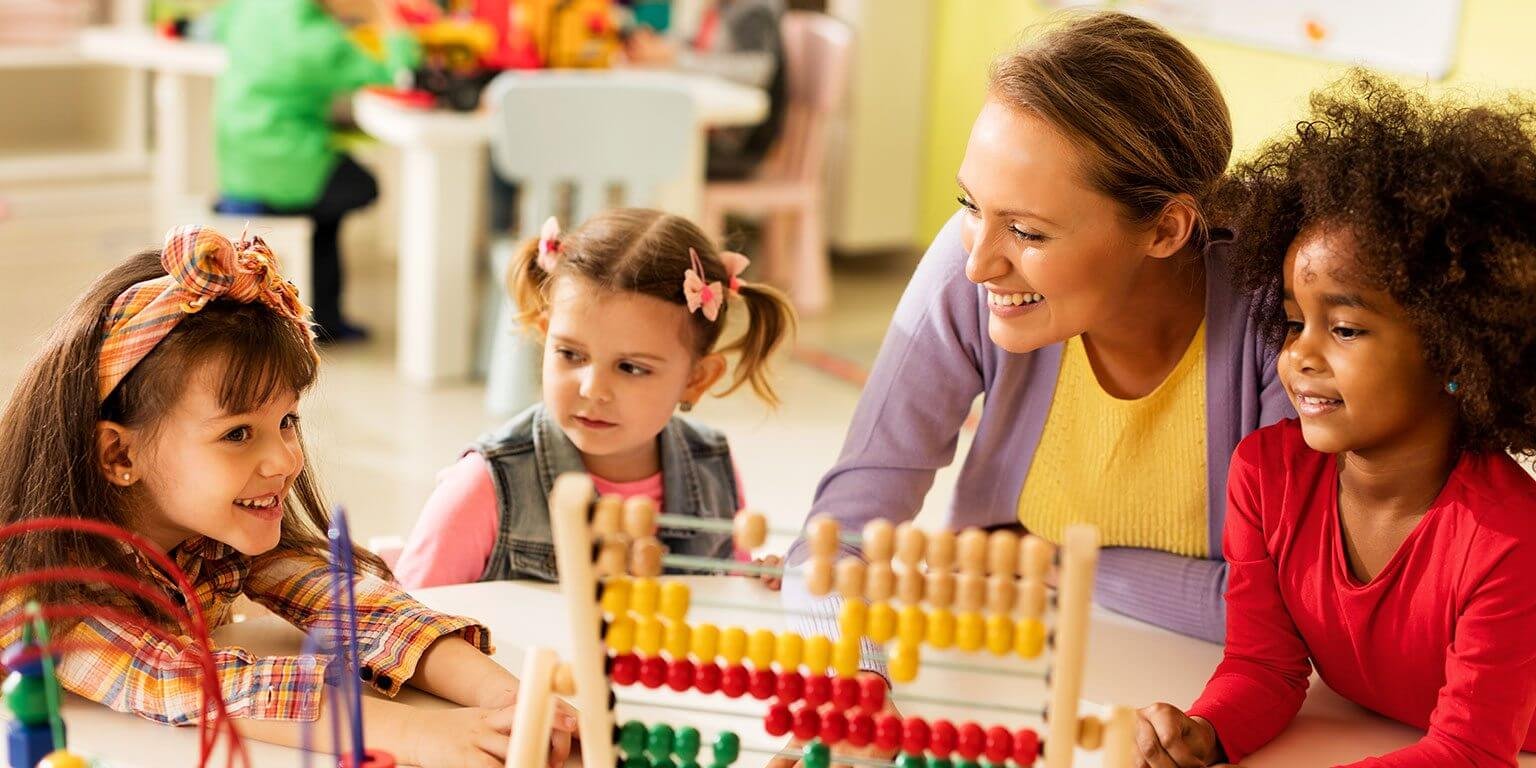
Abacus is a physical counting tool with beads. Children move the beads to learn addition, subtraction, multiplication, and division. In the beginning, the Abacus gives children a clear visual understanding of numbers and place value. With practice, children slowly learn to imagine the Abacus in their mind and solve sums faster without using the actual tool.
What Is Mental Maths?
Mental Maths means solving calculations in the mind without writing them down or using any tool. Children use number tricks, patterns, rounding, splitting numbers, and memory-based strategies to find answers quickly. For example, instead of writing a sum on paper, a child may break numbers into smaller parts and solve them mentally.
Similarities between Abacus Training and Metal Maths
Many parents look for multiple ways to make maths easier, faster, and more enjoyable for their children. Two popular learning methods are Abacus and Mental Maths. Both these methods share the same goal: helping children become confident with numbers and improve calculation speed, focus, memory, and overall number sense. Most importantly both methods remove any kind of dependency on paper and pen.
- Both Improve Calculation Speed: One of the biggest similarities between Abacus and Mental Maths is that both help children calculate faster. In Abacus training, children first use beads to understand numbers and then slowly learn to visualize the Abacus in their mind. In Mental Maths, children solve sums without using paper, fingers, or a calculator. Both methods train the brain to work quickly and accurately.
- Both Build Strong Number Sense: Abacus and Mental Maths are not only about speed. They also help children understand how numbers work. Children learn all the arithmetic operations like addition, subtraction, multiplication, and division in a clearer way. This strong number sense makes school maths easier and helps children solve problems with more confidence.
- Improved Focus and Memory leading to Better Academic Performance: Another important benefit of Abacus and Mental Maths for kids is better concentration. Children need to remember numbers, steps, and patterns while solving sums. This regular practice improves memory, attention span, and listening skills and as a result boosts focus over a period of time. And remember that better focus helps not just in maths, but also in other subjects.
- Both Make Maths Less Scary: Many children (and even adults) are afraid of numbers or long calculations. Abacus and Mental Maths make maths more interesting because children learn through practice, patterns, and step-by-step methods. As they start getting correct answers faster, their confidence grows. This is why many parents choose Abacus classes or Mental Maths programs to help their children overcome maths fear.
Differences between Abacus Training and Metal Maths
Although there are many similarities as stated above, Abacus and Mental Maths are not exactly the same. Understanding the difference between Abacus and Mental Maths can help parents choose the right method for their child.
Many parents want their children to become faster and more confident in maths. While searching for the best maths learning program, they often come across two popular terms: Abacus and Mental Maths. Both help children improve calculation skills, but they are not exactly the same. Understanding the difference between Abacus and Mental Maths can help parents choose the right method for their child.
Main Differences Between Abacus for kids and Mental Maths
- The biggest difference is the way children learn. Abacus uses a physical and visual method, while Mental Maths uses thinking strategies and shortcuts. In Abacus classes, children first touch and move beads, which makes learning more practical. In Mental Maths, children depend more on memory, number sense, and mental patterns.
- Another difference is the learning stage. Abacus is often better for beginners because it builds a strong foundation in numbers. Mental Maths is usually more useful when children already understand basic math concepts and are ready to improve speed.
- Abacus training supports visual memory because children learn to picture beads in their mind. Mental Maths, on the other hand, improves flexible thinking because children learn different ways to solve the same problem.
Which One Is Better for Kids?
Well there is no single answer for every child. If your child is young or struggles with basic calculations, Abacus for kids is the recommended course. It helps children understand numbers step by step. If your child already knows basic maths and is good in school Maths, and wants to calculate faster, Mental Maths can be a great choice. Both Abacus and Mental Maths are great, but before taking this decision, I strongly recommend that you consult an expert to make the right decision for your child. At Mathcruise, we provide fully online Abacus classes. So if you are looking for the best Abacus classes in Delhi, we invite you to set up a counseling session with us which is totally free of charge and take the right and timely decision in best interest of your child.
Tags : Abacus Training Mental Maths