Finding a pest in your home once is frustrating. Finding the same pests again and again can be even more stressful. You may clean regularly, seal a few cracks, or try an over-the-counter treatment, only to notice ants, cockroaches, mice, or other unwanted visitors returning a few weeks later.
The good news is that recurring pest problems usually have a reason. Pests are often attracted to specific conditions inside or around a home, including food, moisture, shelter, and easy access points. Understanding these factors is the first step toward Managing Pest Problems and reducing the chances of another infestation.
Why Do Pest Problems Keep Coming Back?
One of the biggest mistakes homeowners make is focusing only on the pests they can see. Removing visible insects or rodents does not always address where they came from or what is attracting them.
For example, seeing ants in the kitchen may indicate that a colony is nearby or that ants have found an easy route into your home. Similarly, seeing a mouse does not necessarily mean there is only one mouse. Small gaps around pipes, doors, foundations, or vents can provide convenient entry points.
Recurring infestations can also be connected to:
- Food crumbs or improperly stored food
- Leaking pipes or other moisture problems
- Cracks and gaps around the home
- Clutter that provides hiding places
- Outdoor conditions that attract pests
- Nesting areas that have not been addressed
- Treatments that target visible pests but not the underlying problem
The key is to look at the bigger picture rather than treating every sighting as an isolated incident.
Start by Finding the Source
Effective Recurring Pest Control begins with identifying why pests are entering or staying around your property.
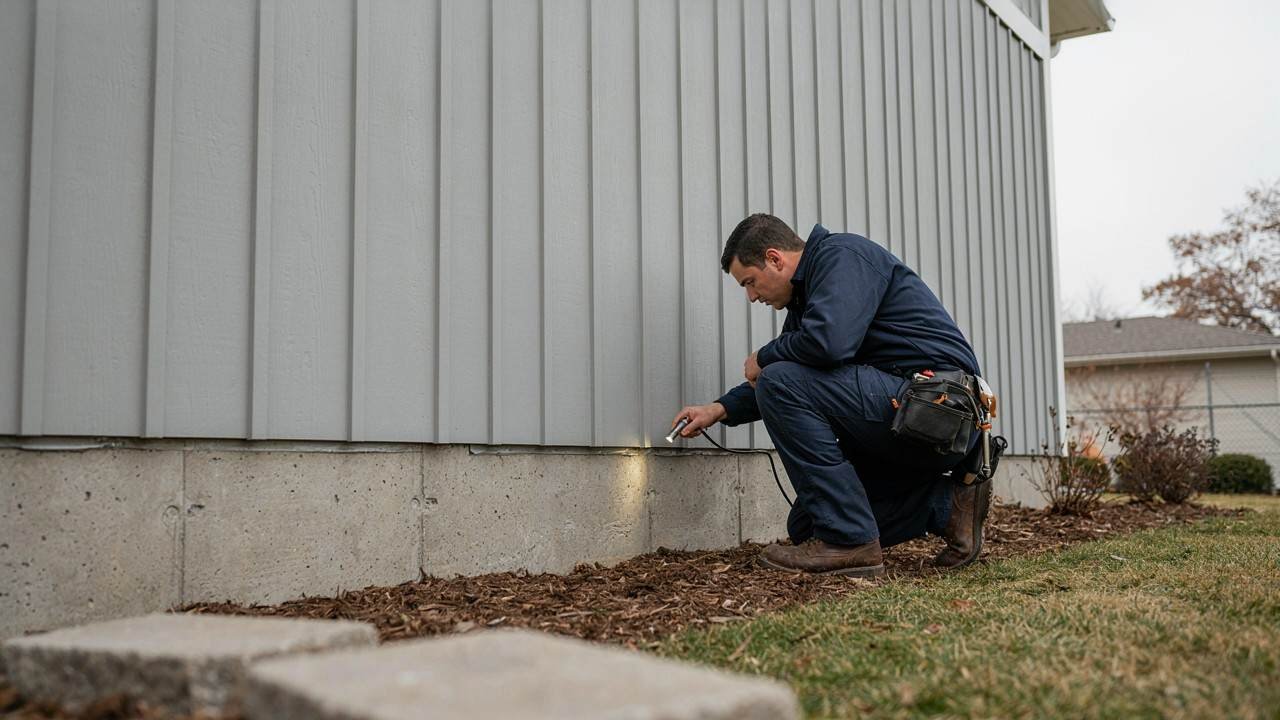
Walk around your home and inspect common entry points. Check around windows and doors, foundation walls, utility openings, plumbing lines, vents, and areas where different building materials meet. Even a small opening can become an access point for certain insects or rodents.
Inside the home, pay attention to areas where you repeatedly notice pest activity. Kitchens, basements, bathrooms, garages, and storage areas can provide food, water, warmth, and shelter.
If you continue seeing pests despite cleaning and basic prevention efforts, it may be time for a professional inspection. A pest professional can look for signs of hidden activity and conditions that may not be obvious to the average homeowner.
Remove Food and Water Sources
Pests are naturally attracted to easy sources of food and water. Keeping your home clean can make it less appealing, especially when combined with other prevention measures.
Store food in sealed containers and avoid leaving pet food out for long periods. Clean crumbs and spills promptly, and regularly empty indoor trash cans.
Water is just as important. Check under sinks, around appliances, near plumbing connections, and in basements for leaks or damp areas. Fixing moisture problems can help make your home less attractive to pests.
However, cleaning alone may not solve an established infestation. If pests already have a nesting location or reliable entry point, additional steps may be necessary.
Seal Potential Entry Points
One of the most practical Home Pest Prevention strategies is making it harder for pests to get inside.
Inspect the exterior of your home for cracks, gaps, damaged screens, and openings around pipes or cables. Pay particular attention to doors and windows because damaged weather stripping or gaps can create easy access.
For rodent problems, sealing entry points is especially important. Mice and rats can take advantage of relatively small openings, so simply removing one animal may not prevent additional activity.
Pest-proofing should be treated as an ongoing part of home maintenance rather than a one-time project. Check your property periodically, particularly after storms, construction, repairs, or other changes that could create new openings.
Be Careful With DIY Treatments
DIY pest products can sometimes help with minor pest activity, but repeatedly applying treatments without identifying the cause can leave homeowners frustrated.
Different pests have different behaviors and require different approaches. A method that works for occasional ants may not be appropriate for cockroaches, bed bugs, or rodents.
Repeatedly treating visible pests without addressing entry points, nesting locations, food sources, or moisture can allow the problem to continue.
When pest activity keeps returning, professional pest control can help identify the type of pest, determine contributing conditions, and develop a treatment and prevention plan suited to the property.
Consider Ongoing Pest Management
For homeowners who experience repeated infestations, ongoing Recurring Pest Control may be more practical than waiting for another serious problem to develop.
Regular inspections and maintenance can help identify pest activity before it becomes a larger issue. This is particularly useful for properties that have experienced recurring problems or have conditions that make them more vulnerable to pests.
EPS Chicago offers residential pest control plans, including one-time treatments and scheduled maintenance, along with rodent and pest-proofing services designed to reduce future pest activity.
The company's approach also focuses on identifying root causes and using targeted pest management strategies rather than simply treating visible pests.
When Should You Call a Pest Professional?
Not every pest sighting requires professional help. However, recurring activity deserves more attention, especially when you cannot determine where the pests are coming from.
Consider contacting a pest control professional if:
- You repeatedly see pests after treatment.
- You find droppings, nests, damaged materials, or other signs of activity.
- Pests are appearing in several areas of your home.
- You suspect pests are entering through hidden openings.
- DIY treatments have not solved the problem.
- The infestation is becoming larger or more difficult to manage.
A professional inspection can help determine whether the issue is limited to a particular area or whether there are underlying conditions that need to be addressed.
Build a Long-Term Prevention Routine
The best way to deal with recurring pests is to make prevention part of your normal home maintenance routine.
Keep food properly stored, clean spills quickly, control moisture, inspect entry points, reduce unnecessary clutter, and pay attention to early signs of pest activity. Small preventive actions can make it more difficult for pests to establish themselves.
At the same time, remember that every home is different. Some properties may require more frequent monitoring or professional treatment depending on their construction, location, history, and pest pressure.
Final Thoughts
Recurring pest problems can be frustrating, but repeatedly treating the pests you see is not always the answer. The better approach is to understand why pests are returning and address the conditions that allow them to survive.
By combining good sanitation, moisture control, pest-proofing, regular inspections, and professional assistance when needed, homeowners can take a more proactive approach to Managing Pest Problems.
If pests continue appearing despite your prevention efforts, a professional evaluation can help identify the underlying issue and determine the next steps. EPS Chicago provides customized residential pest control and prevention solutions for homeowners dealing with ongoing pest concerns in the Chicago area.