A Guide to Rare and Unique Crystals Every Collector Should Know
By Earth Family Crystals 22-09-2026 1
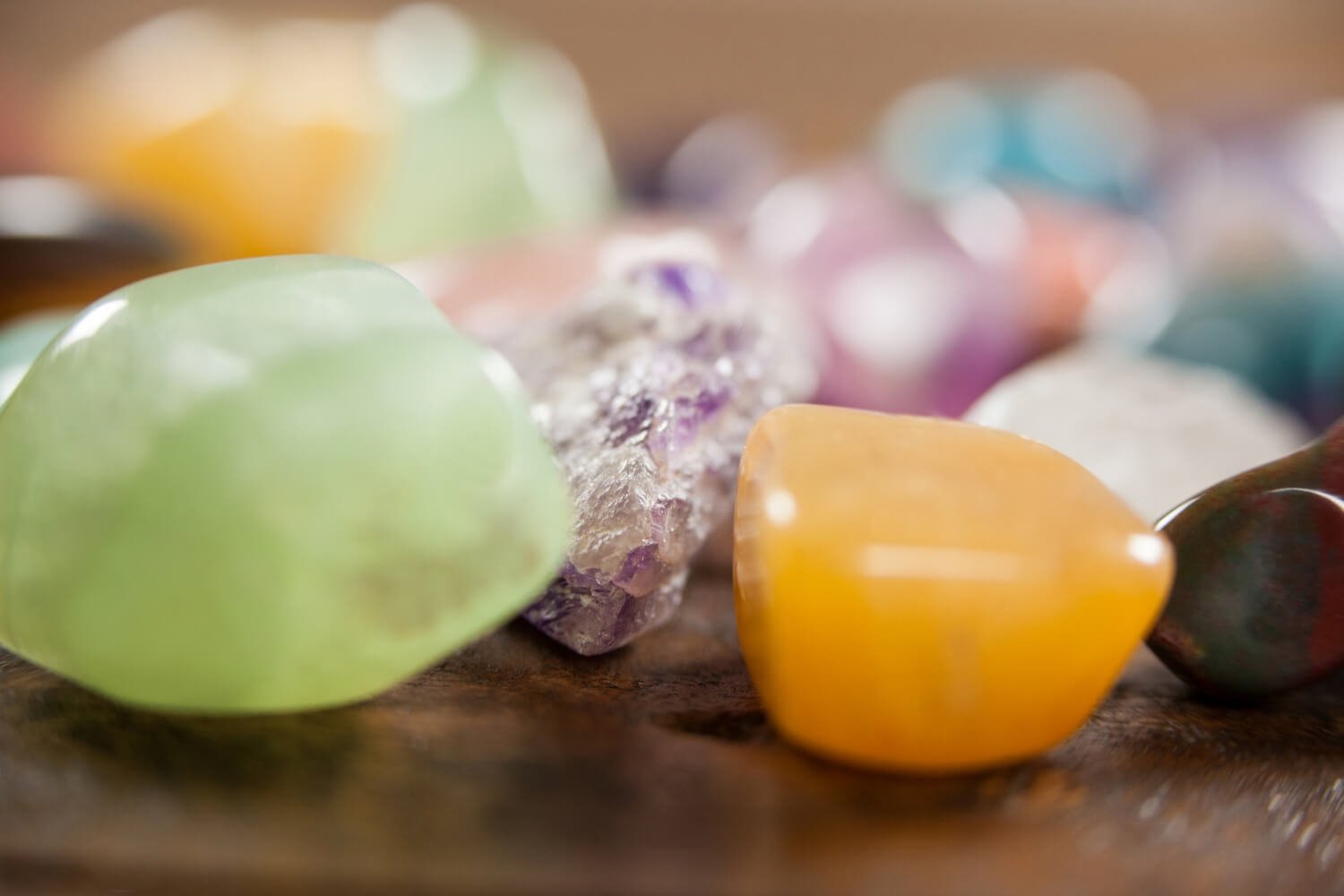
Crystal collecting is more than simply gathering beautiful stones. It is an opportunity to explore geology, natural formations, color variations, mineral combinations, and the fascinating circumstances under which individual specimens develop. While familiar crystals can make a wonderful starting point, discovering rare and unusual minerals can bring an entirely new level of excitement to a collection.
For collectors, rarity can mean different things. A specimen may be uncommon because of its locality, unusual color, distinctive formation, limited availability, or unique combination of minerals. Some collectors focus on geological significance, while others are drawn to exceptional visual characteristics.
At Earth Family Crystals, we believe every collection should reflect the interests of the person building it. Learning about unusual specimens can help you make more informed choices while discovering minerals that genuinely capture your attention.
What Makes a Crystal Rare?
Rarity is not determined by appearance alone. Several factors can influence how uncommon a particular specimen is.
The location where a mineral forms can make certain varieties difficult to obtain. Geological conditions may produce unusual colors, formations, or inclusions that are not commonly found elsewhere.
The quality and condition of a specimen can also affect its desirability. A crystal with an exceptionally clear structure, unusual pattern, or well-preserved natural formation may be more interesting to collectors than an ordinary specimen of the same mineral.
Before purchasing a rare crystal, take time to learn about the mineral itself. Understanding its characteristics and geological background can make the collecting experience much more rewarding.
1. Moldavite
Moldavite is one of the most recognizable tektites among crystal and mineral collectors. Its distinctive green color and naturally textured surface make individual specimens particularly interesting.
Unlike minerals that crystallize deep within the Earth, Moldavite formed from an impact event. This unusual origin contributes to its appeal among collectors interested in both geology and natural history.
Because specimens can vary significantly in shape, texture, and color, collecting Moldavite can become a fascinating way to explore natural variation.
2. Pink Crystals
Pink crystals can bring a distinctive color category to a mineral collection. Their shades may range from very pale blush tones to deeper pinks, depending on the mineral and its geological composition.
Rose Quartz is one of the best-known examples, but collectors can explore other minerals with pink or rosy coloration as well.
When collecting pink crystals, look beyond color alone. Consider the mineral's structure, transparency, inclusions, formation, and overall condition. Two specimens with similar colors can have very different characteristics.
Pink specimens can also create an attractive visual group within a larger collection, especially when displayed alongside contrasting minerals.
3. Obsidian
Obsidian is a fascinating natural glass formed when volcanic lava cools rapidly. Its smooth appearance and often dark coloration make it easy to recognize, although it can occur in a variety of colors and patterns.
An obsidian crystal is commonly described this way in casual crystal collecting, although technically Obsidian is volcanic glass rather than a crystalline mineral.
Collectors may encounter several visually distinctive varieties, including pieces with sheen, banding, or other natural patterns. Its volcanic origin makes Obsidian particularly interesting for anyone who enjoys learning about geological processes.
When handling Obsidian, remember that its edges can be extremely sharp because of the way volcanic glass fractures. Store and display specimens carefully.
4. Labradorite
Labradorite is highly valued for its striking optical effect, often known as labradorescence. When light interacts with its internal structure, flashes of blue, green, gold, or other colors may appear across the surface.
This optical phenomenon means that a Labradorite specimen can look completely different depending on its orientation and lighting.
For collectors, Labradorite offers an excellent example of why seeing a mineral from multiple angles can reveal characteristics that are not immediately visible.
5. Chrysocolla
Chrysocolla is another visually distinctive mineral that can add rich blue and green tones to a collection. Its colors can vary considerably, and individual specimens may display attractive patterns and combinations with other minerals.
Collectors often appreciate Chrysocolla for its color and natural formations. When selecting a specimen, examine the surface carefully and consider how the mineral's patterns contribute to its overall character.
6. Larimar
Larimar is known for its beautiful blue and blue-green appearance and is associated with the Dominican Republic. Its ocean-like coloration makes it particularly appealing to collectors who enjoy distinctive colored minerals.
Natural variations in color and pattern can make individual Larimar specimens unique. When selecting one, pay attention to its overall appearance, patterning, and condition.
7. Unique Crystal Formations
Sometimes the most interesting specimens are not rare minerals at all but unusual examples of familiar ones.
Clusters, natural points, formations with inclusions, unusual terminations, and combinations of minerals can all create highly distinctive specimens.
Collectors should learn to appreciate these details rather than focusing only on the name of the mineral. A common mineral with an extraordinary natural formation can become one of the most memorable pieces in a collection.
How to Build a Collection of Rare Crystals
Building a collection should be a gradual process. Start by identifying the types of specimens that interest you most.
You might focus on unusual colors, specific geological localities, rare minerals, natural formations, or crystals with interesting histories.
Keep notes about the pieces you acquire. Record the mineral name, variety, locality, date acquired, and any information provided with the specimen. This can help you understand your collection as it grows.
Storage is equally important. Keep fragile specimens protected from impacts and avoid placing harder minerals directly against softer ones. Display valuable pieces in secure locations where they will not be easily knocked over.
Explore With Curiosity
Rare crystal collecting is ultimately about discovery. Each unusual specimen can offer an opportunity to learn something new about geology, mineral formation, or natural variation.
At Earth Family Crystals, we encourage collectors to look beyond simple rarity and focus on what makes each specimen interesting. You may be captivated by the vibrant colors of pink crystals, the volcanic history of an obsidian crystal, or the unusual optical effects found in Labradorite.
The most meaningful collections are built with patience and curiosity. Take time to understand each piece, appreciate its natural characteristics, and choose specimens that genuinely inspire your interest.
Whether you are an experienced collector or just beginning, exploring rare and unique crystals can turn every new addition into an opportunity for discovery.
Tags : .....