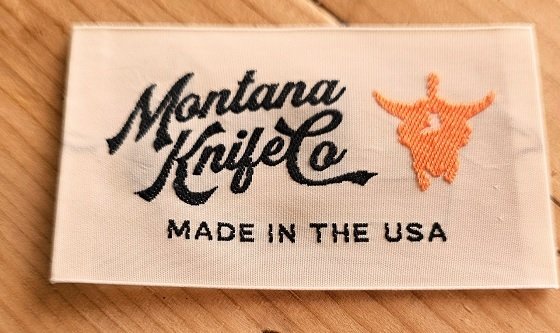
In today’s textile and garment industry, labels are more than simple tags stitched into clothing. They communicate essential information, reinforce brand identity, and ensure regulatory compliance. Among the many labeling solutions available, Custom Printed Fabric Labels have become a widely preferred choice due to their versatility, clarity, and cost efficiency. These labels allow manufacturers to present detailed information without adding bulk to the garment, making them suitable for a wide range of products.
Unlike woven alternatives, printed labels involve transferring ink directly onto a fabric surface such as satin, cotton, nylon, or polyester. This method makes it possible to include fine text, care symbols, barcodes, and multi-color designs in a compact format. For businesses producing garments in varying quantities, this flexibility is particularly valuable. Printed labels can be adapted quickly to reflect size changes, updated care instructions, or rebranded designs.
Another important aspect of printed fabric labels is comfort. Since they are typically thinner and smoother than woven tags, they are less likely to irritate the skin. This feature makes them especially suitable for children’s wear, sportswear, innerwear, and garments worn for extended periods. Their lightweight structure also ensures that they do not alter the overall feel or drape of the fabric.
From a business perspective, printed labels support operational efficiency. Production times are generally shorter, especially for complex or multi-colored artwork. This makes them ideal for seasonal collections or fast-fashion cycles where quick turnaround is important. Additionally, they allow clear display of compliance details, helping brands meet legal requirements related to textile labeling.
Beyond clothing, these labels are widely used in home textiles such as bedding, curtains, and towels. They are also common in accessories like bags, hats, and scarves. Whether for small independent designers or large-scale manufacturers, printed labels provide a practical solution for communicating product information effectively.
Types of Custom Printed Fabric Labels
· Satin Labels: Soft and smooth texture, ideal for clothing that comes in direct contact with skin like t-shirts and baby wear.
· Cotton Labels: Made from natural fibers, offering a premium and eco-friendly look, commonly used in handmade or organic clothing.
· Nylon Labels: Durable and slightly glossy, perfect for care labels due to their ability to hold detailed printed information.
· Polyester Labels: Strong and long-lasting, resistant to wear and washing, suitable for sportswear and heavy-use garments.
· Heat Transfer Labels: Printed directly onto fabric using heat, eliminating the need for stitching and providing a seamless finish.
· Damask Labels: Though often woven, they can also include printed elements, known for fine detail and high-quality appearance.
· Tyvek Labels: Lightweight and tear-resistant, commonly used in industrial or temporary applications.
· Transparent Film Labels: Clear background labels that blend into the fabric, giving a modern and minimal look.
Key Features of Custom Printed Fabric Labels
Lightweight and flexible, minimizing bulk in garments
Capable of displaying detailed care symbols and small text clearly
Suitable for multi-color logos and intricate graphics
Available in various base materials such as satin, cotton, and polyester
Adaptable for both small and large production runs
Common Materials Used
The choice of base material affects both appearance and durability. Manufacturers often select materials based on the type of garment and intended use.
Satin for a smooth, glossy, and soft finish
Cotton for a natural, eco-conscious look
Nylon for durability and resistance to frequent washing
Polyester for strength and consistent print quality

Each material interacts differently with inks and printing methods, so compatibility testing is important before final production.
Regulatory compliance is another crucial consideration. Many countries require garments to display accurate information about fiber composition, country of origin, and care instructions. Printed labels make it easier to include all mandatory details in a clear and organized layout. This reduces the risk of miscommunication and helps protect both consumers and manufacturers.
Durability is often a concern when it comes to printed designs. However, advances in ink technology and heat-setting processes have significantly improved wash resistance. When produced with high-quality materials and appropriate printing techniques, Custom Printed Fabric Labels can maintain legibility even after repeated laundering.
Design also plays a significant role in label effectiveness. A clean layout with balanced spacing ensures readability. Overcrowding the label with excessive information can reduce clarity and visual appeal. Simple typography and strong contrast between text and background usually result in better performance over time.
Sustainability has become increasingly relevant in the textile industry. Many businesses now seek environmentally responsible labeling options to align with broader sustainability initiatives
Sustainability Considerations
Use of organic cotton or recycled polyester label materials
Water-based or low-impact inks
Reduced waste during production
Minimal packaging for bulk orders
Biodegradable or recyclable label options
These measures not only reduce environmental impact but also support transparency in supply chains.
When comparing printed and woven labels, the choice often depends on the purpose. Woven labels may offer a textured, premium look for logos, while printed versions are ideal for detailed information and cost efficiency. Some brands combine both types to achieve a balance between branding and functionality. Selecting a reliable supplier is equally important. Quality control processes, sampling options, and clear communication about specifications help ensure consistency across production batches. Evaluating turnaround times and minimum order requirements can also support smoother planning for product launches.
Practical Tips for Choosing the Right Label
Determine the primary purpose: branding, compliance, or both
Select a material that matches garment comfort needs
Test wash durability before bulk production
Ensure text size remains readable after printing
Confirm compliance with local textile regulations
Review sample proofs carefully before approval
In conclusion, printed fabric labels remain a practical and adaptable solution within the textile industry. They offer clarity, comfort, and design flexibility while meeting essential regulatory requirements. By carefully considering material selection, print quality, and layout design, businesses can create effective labeling systems that enhance product presentation and customer satisfaction.