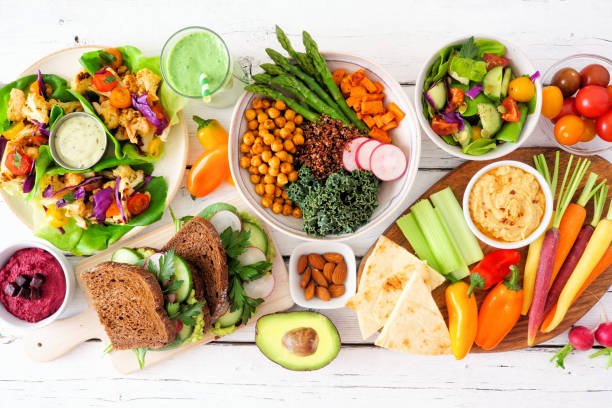
I used to roll my eyes when someone said "plant-based diet." It sounded like one of those buzzwords people throw around when they want to sound healthy. I imagined sad salad bowls, endless green smoothies, and giving up biryani forever. Not happening, right?
But then I started paying attention. Not in a big, dramatic way—just small shifts. Adding more veggies to my plate. Skipping meat once in a while. Choosing dal over chicken curry some nights. And you know what? I started feeling better.
When I later spoke to a friend (who swears by the best nutritionist in Bangalore), I realized there's actually science behind all this. It's not just about losing weight or following a trend. The benefits of a plant-based diet are even greater than that. They stick with you for the long haul.
Let me break it down, one benefit at a time.
8 Plant-Based Diet Benefits for Long-Term Wellness
1. Your Heart Gets Stronger
We don't usually think about our heart until there's a problem. But plants quietly protect it.
- Fiber keeps cholesterol under control.
- Less animal fat means fewer clogged arteries.
- Nuts, beans, and greens support healthy blood pressure.
Heart issues don't show up overnight. They build slowly. More plants = less trouble later.
2. Weight Doesn't Feel Like a Battle
I've always hated diets. The weighing scale, the food restrictions, the guilt—it's exhausting. But with more plant-based meals, weight feels less complicated.
- You fill up faster on fewer calories.
- Fiber keeps hunger away longer.
- Processed junk naturally reduces when meals are wholesome.
I know people who dropped a few kilos without even "trying," just because they swapped paneer butter masala for rajma chawal a few times a week. No drama.
3. Your Stomach Works Better
If you've ever dealt with bloating or constipation, you'll get this one. Plants help your gut work the way it should.
- They feed the good bacteria.
- They reduce that heavy, uncomfortable post-meal feeling.
- They keep digestion regular.
And here's the surprising part: when your gut is happy, your mood improves too. I didn't believe that at first, but once I experienced it, it clicked.
4. Lower Chances of Diabetes
Almost everyone I know has someone in their family with diabetes. It has become so common in India that we no longer get shocked. That's scary.
Plant-based eating actually lowers the risk.
- Beans, oats, and lentils release energy slowly, so sugar doesn't spike.
- Plants help your body use insulin better.
- Fiber makes meals more balanced.
If diabetes is in your family, this one reason alone makes the switch worth thinking about.
5. Energy Feels More Steady
Ever had a heavy lunch and then fought to keep your eyes open at work? Yeah, me too. Switching to lighter, plant-heavy meals fixes that.
- Fruits and whole grains give clean, steady energy.
- You don't feel sleepy after lunch.
- Natural carbs fuel you without the crash.
The difference is subtle at first. But when you notice you can actually get through the afternoon without that second coffee, it feels good.
6. Your Skin (and Hair) Notice Too
I wasn't expecting this one. But eating more plants made my skin calmer.
- Vitamins from veggies repair skin cells.
- Omega-3s from nuts and seeds help with glow.
- Cutting down on dairy reduced breakouts for me personally.
One of my friends switched from milk tea to oat milk. Within weeks, her skin cleared up. She was shocked, honestly.
7. You Don't Fall Sick as Often
I used to catch colds all the time. Then I started eating more seasonal fruits and veggies, and… fewer colds. Not zero, but definitely fewer.
- Vitamin C from guava, oranges, or even amla helps a lot.
- Antioxidants fight off cell damage.
- Everyday spices like ginger, garlic, turmeric—they're natural protectors.
It's not magic. You'll still get sick sometimes. But your body bounces back quicker.
8. Longer, Better Years
This is the big one. More plants don't just help you now—they make life better later.
- Lower chances of big diseases.
- More active years when you're older.
- Less medicine, fewer hospital visits.
Living longer matters. But living longer while still being able to walk, travel, and enjoy life? That's the real deal.
How to Start Without Overthinking
You don't need to go all in. Small steps work.
- Add extra veggies to lunch.
- Try a meat-free day.
- Swap white rice for brown rice or millets sometimes.
- Switch dairy milk to almond, oat, or soy just once a day.
And honestly, Indian food makes it easier than you think. Dal, dosa, sabzi, khichdi—we've been plant-based for centuries without calling it that.
Why a Nutritionist Can Help
Here's where the best nutritionist in Bangalore (or anywhere, really) comes in. Because yeah, it's easy to mess this up and just eat too much rice or bread.
A nutritionist can:
- Make sure you get enough protein.
- Suggest seasonal, local foods.
- Guide you on supplements if needed.
Basically, they help you avoid mistakes while still eating food you enjoy.
FAQs on Plant-Based Diet Benefits
1. What are the main plant-based diet benefits?
Better heart health, easier weight control, smoother digestion, lower diabetes risk, steady energy, clearer skin, stronger immunity, and healthier aging.
2. Can plants give enough protein?
Yes. Lentils, beans, chickpeas, tofu, quinoa, nuts, and seeds all have protein.
3. Do I need supplements?
Some people may need vitamin B12 or vitamin D. It depends on your diet. Ask a nutritionist.
4. Is plant-based the same as vegan?
No. Plant-based just means plants are the main part of your diet. Some people still eat dairy or fish occasionally.
5. How do I find the best nutritionist in Bangalore for plant-based diets?
Look for someone qualified, licensed, and experienced. Ask if they include local foods you can actually cook and afford.
Here's the truth: eating more plants isn't about perfection. It's about progress. Add a little more to your plate, see how your body feels, and keep going from there.
You'll probably notice small changes first—like lighter digestion, more energy, fewer cravings. And slowly, the bigger benefits start showing up.
So the question is—what's one small swap you can make at your next meal? Because that's all it takes to start.