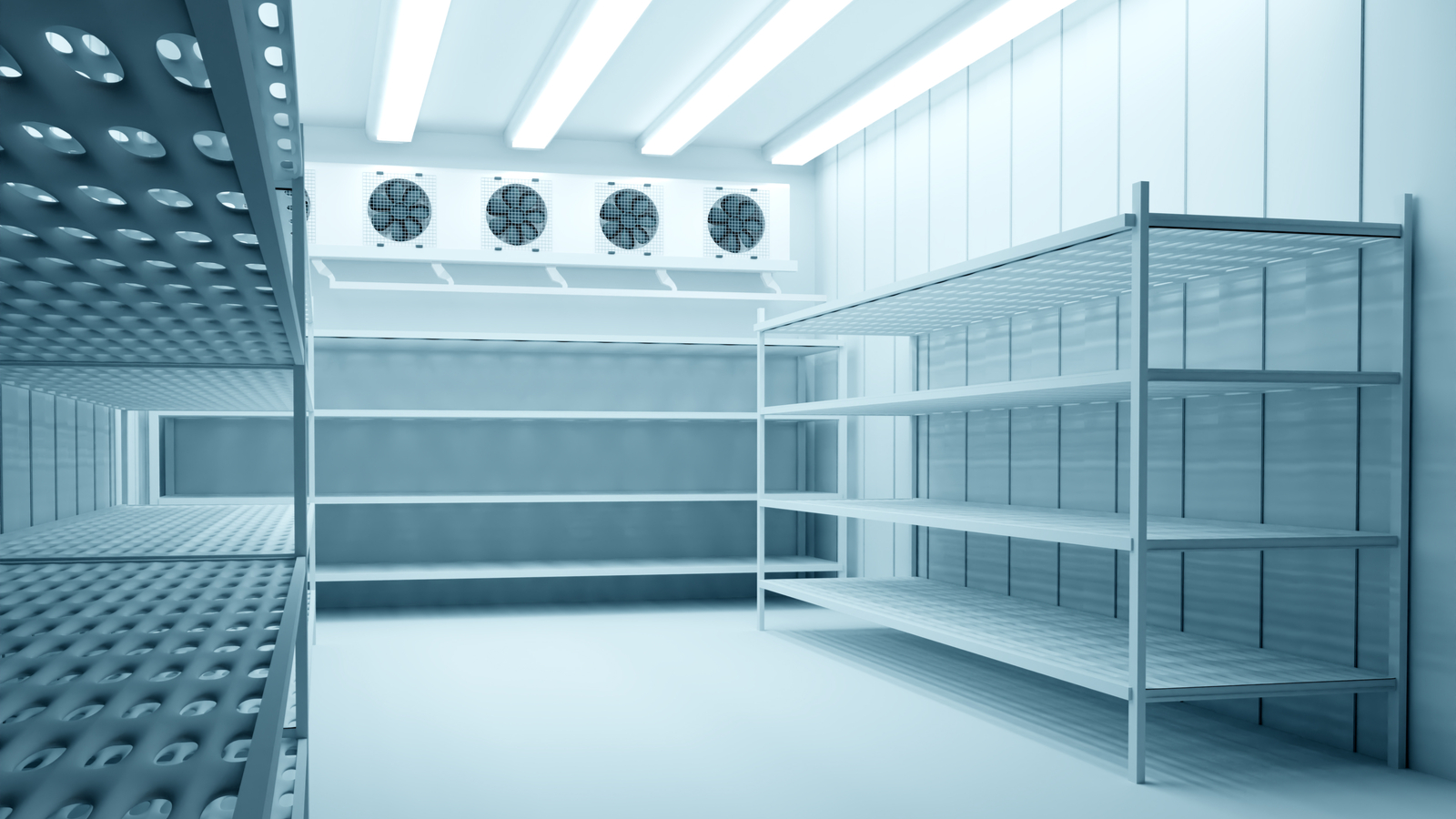
Coolrooms are essential for businesses in hospitality, food service, healthcare, and numerous other industries that require reliable cold storage. Unlike residential refrigeration, coolrooms handle larger volumes, operate continuously under demanding conditions, and must maintain strict temperature controls to meet health and safety regulations. When coolroom problems arise, they can threaten product integrity, compromise compliance, and result in significant financial losses.
Understanding common coolroom issues and knowing how to address them quickly can mean the difference between a minor inconvenience and a major operational disaster. Many problems have straightforward solutions that facility managers and maintenance staff can handle, while others require specialized expertise to resolve safely and effectively.
Because coolrooms are complex systems involving refrigeration circuits, insulation, doors, and often sophisticated controls, proper diagnosis is crucial. Attempting repairs beyond your expertise can worsen problems or create safety hazards. For Brisbane businesses facing coolroom issues, professional coolroom repairs in Brisbane provide rapid response and expert solutions that minimize downtime and protect your stored products. Let's explore the ten most common coolroom problems and their solutions.
1. Coolroom Not Maintaining Temperature
Temperature issues are the most critical coolroom problem, as they directly threaten stored products. First, verify that the thermostat is set correctly and functioning. Check that the coolroom isn't being overloaded with warm products all at once—stagger loading to allow gradual cooling.
Inspect door seals for gaps or damage that allow warm air infiltration. Even small gaps significantly impact temperature control. Ensure doors are closing completely and that staff aren't leaving doors open unnecessarily. Check that the condenser coils are clean and that adequate airflow exists around the condensing unit. Dirty coils drastically reduce cooling efficiency. If the coils are iced over, this indicates a defrost problem that needs immediate attention.
2. Excessive Buildup Of Ice On Coils
While some frost on coils is normal, excessive ice buildup blocks airflow and prevents effective cooling. This usually indicates a problem with the defrost system, which should automatically remove ice accumulation.
Check the defrost timer, heater, and thermostat. If any component has failed, ice will continue accumulating. Ensure the defrost drain isn't frozen or blocked—water from defrost cycles must drain properly. High humidity in the coolroom, often from damaged door seals or frequent door opening, can also contribute to excessive ice formation.
3. Coolroom Door Won't Close or Seal Properly
Door problems are surprisingly common and compromise temperature control while increasing energy costs. Check that hinges are properly adjusted and that the door isn't sagging. Heavy doors on damaged hinges can misalign over time.
Inspect the door gasket for cracks, tears, or hardening from cold temperatures. Replace damaged gaskets promptly. Ensure the door closer mechanism functions correctly—doors should close automatically and seal completely. Check that floor heaters (if equipped) are working, as ice buildup at the threshold can prevent proper closing. Staff should be trained on proper door operation and the importance of ensuring complete closure.
4. Water Leaking from Coolroom
Water leaks can damage floors and create slip hazards. Most leaks originate from the defrost drainage system. The defrost drain line can become blocked with ice, debris, or mold, causing water to back up and overflow.
Locate the drain line and flush it with hot water to clear blockages. Some facilities use drain line heaters to prevent ice formation. Check that the drain line has proper pitch for gravity drainage. Condensation on the coolroom exterior, particularly around doors. Leaking door seals also allow moisture infiltration that can appear as leaks.
5. Compressor Running Constantly
A compressor that never cycles off indicates the system is working too hard to maintain temperature. Check all the temperature-related issues mentioned earlier—dirty coils, poor door seals, and excessive ice buildup all force continuous operation.
Verify that the coolroom isn't being used beyond its capacity or that the ambient temperature hasn't increased significantly. Inadequate insulation or damaged insulation panels reduce efficiency. Low refrigerant levels, indicated by frost on the suction line or reduced cooling capacity, require professional service. A compressor nearing end-of-life may struggle to maintain pressure and run continuously.
6. Unusual Noises from Coolroom
Coolrooms make operational noise, but unusual sounds indicate problems. Grinding or squealing from the compressor suggests bearing wear or mechanical issues. Rattling may come from loose panels, fans, or components vibrating against each other.
Hissing sounds can indicate refrigerant leaks—never ignore these, as refrigerant is expensive to replace and leaks impact cooling performance. Clicking sounds might be the relay or contactor, which could be failing. Buzzing from the fan motors could indicate motor problems. Investigate unusual noises promptly, as many worsen rapidly if ignored.
7. Frost or Condensation on Coolroom Exterior
External condensation or frost indicates insulation or barrier failure. The coolroom's insulation should prevent cold from reaching the exterior surface. When cold penetrates, moisture in the air condenses on the cold surface.
Inspect insulation panels for damage, particularly around doors and at panel joints. Check that the barrier hasn't been compromised during maintenance or repairs. This problem not only wastes energy but can cause structural damage to the building if moisture penetrates the walls or ceilings. Addressing insulation issues requires professional assessment and repair.
8. Thermostat Not Responding or Inaccurate
Temperature control depends on an accurate thermostat function. If the thermostat display is blank, check electrical connections and the power supply. Verify the sensor probe is properly positioned and hasn't become damaged or displaced.
Test thermostat accuracy by comparing its reading to a calibrated thermometer placed in the coolroom. If readings differ significantly, the thermostat may need recalibration or replacement. Digital thermostats can fail due to electrical issues or age. Upgrading to modern digital controls with remote monitoring can prevent temperature excursions and alert you to problems immediately.
9. High Energy Bills
Unexpectedly high energy consumption indicates inefficiency. Systematically check all efficiency factors: clean condenser coils, properly functioning door seals, adequate insulation, and appropriate thermostat settings.
Ensure the coolroom isn't set colder than necessary—every degree lower than needed significantly increases energy use. Check that staff practices support efficiency, such as minimizing door opening and not storing warm products. Consider an energy audit to identify specific issues. Old, inefficient equipment may be worth replacing with modern, efficient systems that pay for themselves through energy savings.
10. Complete System Failure
Total coolroom failure is every business's nightmare. First, check the electrical supply—verify power at the breaker and that no fuses have blown. Check that the emergency stop button hasn't been accidentally pressed.
If power is present but the system won't start, the compressor overload protection may have tripped due to electrical issues or overheating. Allow cooling time before attempting a restart. Control board failure can prevent system operation. For complete failures, immediate professional service is essential to diagnose and repair the problem before product loss occurs. Having an emergency plan, including backup refrigeration or relationships with cold storage facilities, protects your business during extended downtime.
By understanding these common coolroom problems and their solutions, you can maintain reliable cold storage, ensure compliance with health regulations, and protect your business from costly product losses and downtime.
Tags : technology