
Buying land can be the beginning of a much larger plan. For some people, it is the first step toward building a family home; for others, it is a way to secure a property asset that can be developed when the timing is right.
Unlike a completed residence, a plot does not come with a fixed lifestyle. The buyer has the opportunity to decide how the future property should be designed, how much space should be allocated to different activities, and when construction should begin.
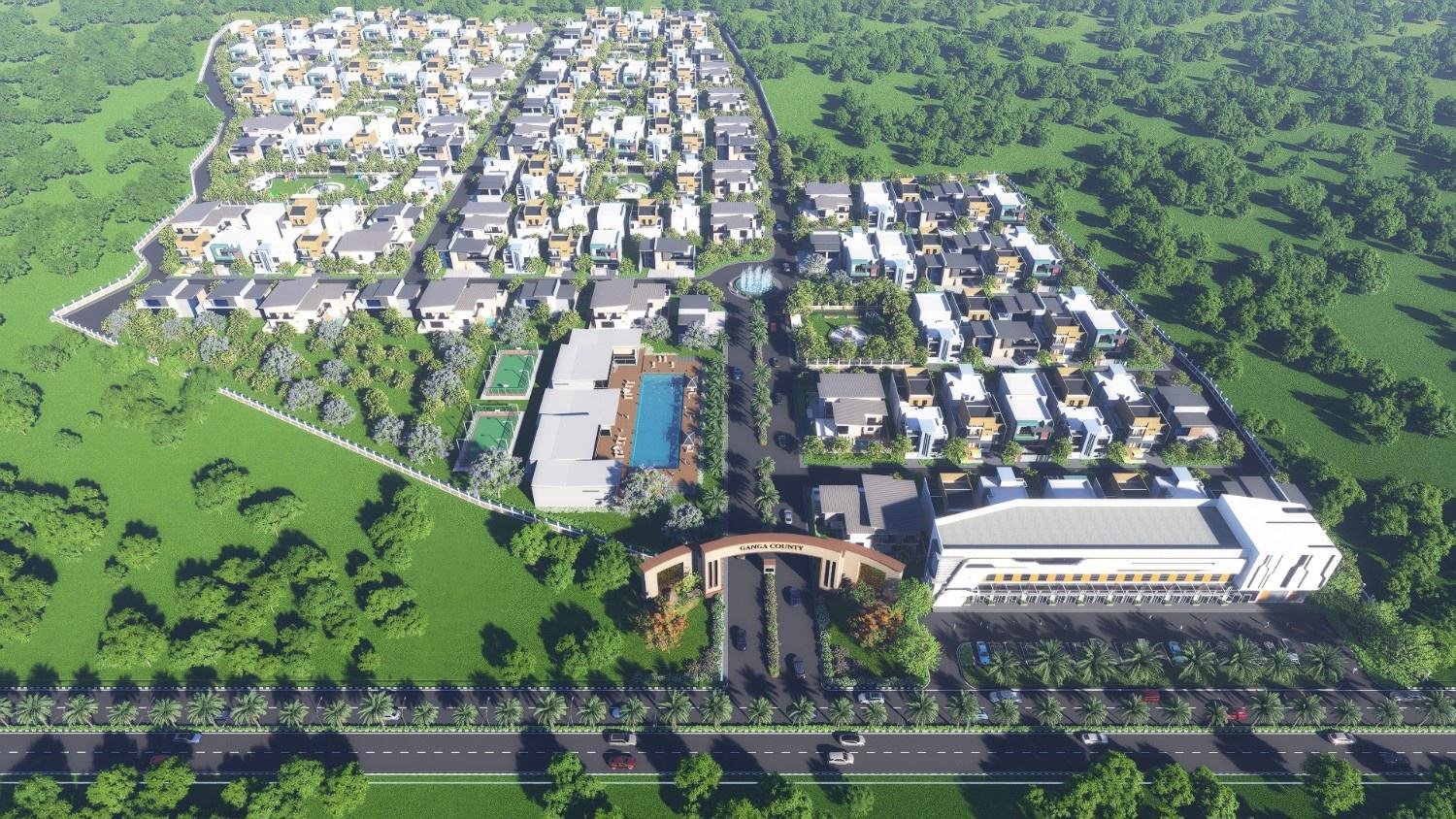
This makes Ganga County plots an option worth examining for buyers interested in flexible residential property. However, good land-buying decisions require more than looking at price or promotional features. Location, infrastructure, connectivity, documentation, construction expenses, and surrounding development should all be part of the evaluation.
Why Residential Land Appeals to Modern Buyers
Homeownership is increasingly about flexibility.
Families may need space for remote work, children, guests, hobbies, parking, or outdoor activities. A standard ready-built property may not always accommodate these requirements effectively.
A plot allows homeowners to approach the design differently.
The future house can be planned around the way the family lives. Rooms can be arranged for privacy and convenience, while flexible spaces can be included to accommodate changing needs.
This does not mean every plot is automatically a better choice. It means land ownership gives buyers more control over the eventual design and development process.
Evaluating Ganga County Plots Beyond the Numbers
When comparing Ganga County plots, it is easy to focus on plot size and purchase price. These are important, but they do not tell the entire story.
The development's planning and infrastructure can have a major impact on the property's long-term usability.
Buyers should investigate:
Plot dimensions and orientation
Internal road network
Water supply
Electricity connections
Drainage arrangements
Street lighting
Green areas
Community amenities
Security provisions
Access to nearby locations
A property should be evaluated as part of its complete residential environment rather than as an isolated piece of land.
Location Can Influence Everyday Convenience
Location is a fundamental factor in real estate investment because it influences both lifestyle and potential future demand.
A well-connected residential location can make regular travel easier when schools, hospitals, workplaces, shopping areas, and transportation routes are within reasonable reach.
Buyers should also consider how the area is developing.
Infrastructure improvements, commercial activity, educational institutions, healthcare facilities, and employment centers can gradually reshape an emerging neighborhood.
However, future development should be verified through reliable information. Buyers should be cautious about treating proposed projects or informal market claims as guaranteed outcomes.
Design the Future Home Around Your Needs
A plot provides an opportunity to think about the home before construction begins.
Start With Daily Habits
Consider how the household uses the kitchen, living room, bedrooms, storage, parking, and outdoor areas.
Plan for Change
Family size and lifestyle can evolve. Flexible rooms can help the home remain useful as circumstances change.
Include Work and Study Areas
A dedicated workspace or study can be useful for professionals, students, and families.
Think About Outdoor Living
Gardens, balconies, terraces, and courtyards can provide valuable areas for relaxation and recreation.
The objective is to create a home that supports real life rather than simply maximizing the number of rooms.
Gallery
Opening Hours
| Open | 24 x 7 Hours |
|---|
Recent Questions and Answers
Have a question? Ask away!
Related Listing

Sumadhura Infracon Private Limited – Hyderabad

Paarth Infrabuild Private Limited lucknow