Understanding the Role of Insulation Materials
Insulation materials play an important role in modern construction packaging and temperature control. Builders and manufacturers choose suitable products according to their strength weight and thermal performance. Lightweight foam materials have become popular because they are easy to handle and can be shaped for different applications. When selected carefully these products can improve efficiency and help protect sensitive items during transportation. Understanding their properties allows buyers to make practical decisions for residential commercial and industrial requirements.
What Makes Thermocol Sheet a Popular Choice
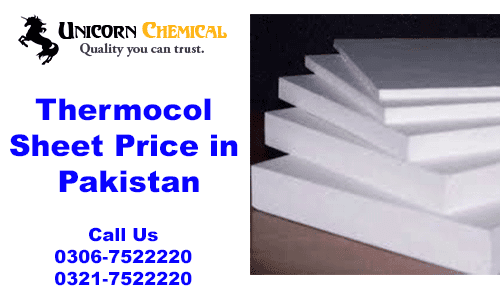
A thermocol sheet is commonly made from expanded polystyrene foam which contains numerous small air filled cells. This structure makes the material lightweight and helps reduce heat transfer. Its simple handling characteristics make it suitable for various construction packaging and craft applications. Buyers often consider it for insulation projects because it can be cut into different dimensions according to specific needs. However the appropriate thickness and density depend on the intended application and the conditions in which the sheet will be used.
Key Features of Thermocol Materials
Thermocol offers several useful characteristics that explain its widespread use. Its lightweight construction makes it easier to transport and install than many heavier alternatives. The material can provide thermal resistance and cushioning when used appropriately. It can also be shaped into boards panels and protective inserts for different purposes. Despite these advantages thermocol can be vulnerable to physical damage and certain chemicals. It is also combustible so proper fire safety measures are essential when it is incorporated into building systems.
Applications in Residential Construction
Homeowners and builders may use foam insulation boards in selected roof and wall assemblies to reduce unwanted heat transfer. During hot weather suitable insulation can help limit the movement of heat into indoor spaces. The effectiveness of the complete system depends on board thickness installation quality ventilation and other building materials. Thermocol should be installed according to professional recommendations and protected where necessary from moisture physical damage and fire exposure. A suitable design can contribute to improved indoor comfort.
Importance in Commercial Packaging
Protective packaging is another common application for expanded polystyrene foam. Manufacturers may use shaped inserts to protect electronic equipment household appliances glassware and other fragile products during transportation. The lightweight structure helps cushion goods against certain impacts while keeping packaging weight relatively low. Packaging designers must select appropriate dimensions and density according to the weight and fragility of the product. Careful packaging design can reduce the likelihood of damage during storage handling and delivery.
Choosing the Correct Thickness and Density
Selecting the right foam board requires attention to its intended purpose. Thicker sheets may provide greater thermal resistance when other factors remain comparable while density influences mechanical performance and strength. Buyers should review technical specifications rather than relying on appearance alone. Construction applications may require particular performance standards that differ from those needed for decorative projects or packaging. Consulting a knowledgeable supplier can help identify a suitable grade and avoid unnecessary expenses.
Installation Methods and Practical Considerations
Proper installation helps improve the performance of insulation boards. Surfaces should be inspected and prepared before the material is fitted. Installers should minimise gaps between boards and follow the recommended method for securing and protecting the insulation. Compatibility with adhesives coatings and surrounding materials should also be checked. Since expanded polystyrene can be damaged by certain solvents it is important to use products approved for the selected foam. Building installations must also meet applicable fire safety requirements.
Environmental Responsibility and Waste Management
Responsible disposal is important because foam packaging and construction offcuts can contribute to waste when handled incorrectly. Thermocol should not be burned or discarded into waterways. Where suitable recycling facilities are available clean material may be collected for processing into new products. Businesses can also reduce waste by planning sheet dimensions carefully and reusing appropriate packaging materials. Buyers should ask local waste management providers about accepted recycling options before disposing of large quantities.
Comparing Prices and Supplier Quality
Prices can vary according to sheet dimensions thickness density manufacturing quality and order quantity. Buyers should compare equivalent specifications when requesting quotations from different suppliers. It is useful to confirm product measurements availability delivery arrangements and intended applications before making a purchase. For larger construction projects a technical review can help establish whether the selected material meets performance requirements. Choosing a suitable product rather than focusing only on the lowest price can improve overall project value.
Conclusion
Thermocol remains a versatile lightweight material for selected insulation packaging and decorative applications. Its thermal resistance cushioning properties and ease of handling make it useful across several industries. However the best results depend on choosing the correct grade and following appropriate installation and safety practices. Buyers should consider durability fire safety environmental responsibility and product specifications before making a decision. With careful planning thermocol products can provide practical solutions for construction businesses manufacturers and everyday household projects.
Tags : thermocol sheet