Common Stainless Steel Equipment Defects and Effective Methods to Detect Them
By Bioscan 23-10-2026 3
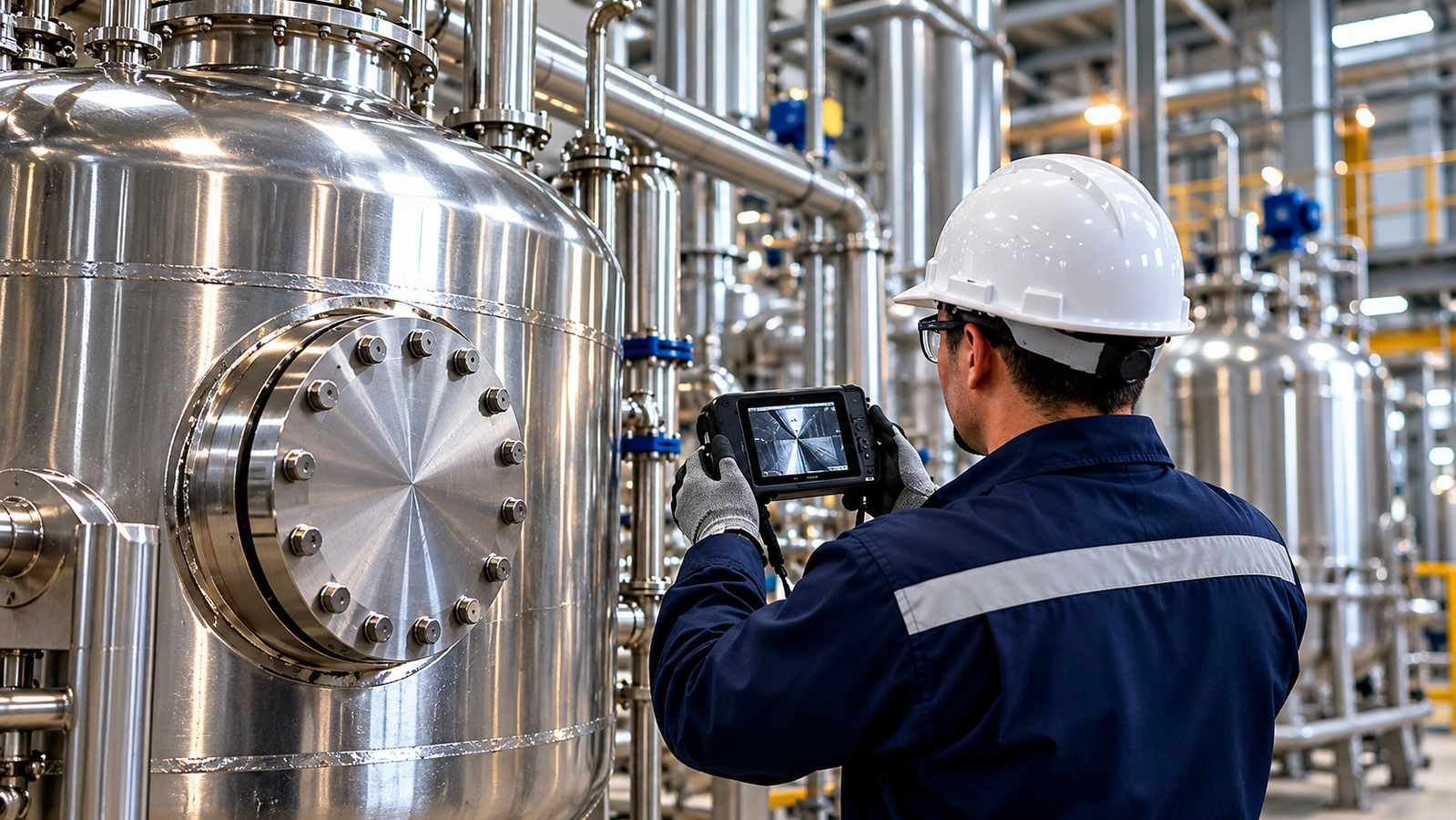
Stainless steel equipment is widely used in food processing, pharmaceutical manufacturing, chemical production, and other industrial environments because of its strength, durability, and corrosion resistance. However, even high-quality stainless steel can develop defects over time due to demanding operating conditions, poor maintenance, chemical exposure, and mechanical stress. If these problems remain unnoticed, they can affect equipment performance, product quality, and workplace safety.
Identifying defects at an early stage helps businesses avoid unexpected breakdowns and expensive repairs. Understanding common equipment problems and applying suitable Stainless Steel Inspection Methods can help maintenance teams assess equipment condition and identify potential failures before they become serious.
Why Do Stainless Steel Equipment Defects Occur?
Although stainless steel offers excellent resistance to corrosion, it is not completely immune to damage. Continuous exposure to moisture, aggressive chemicals, high temperatures, and repeated cleaning cycles can gradually affect its surface and structural integrity.
Manufacturing defects, improper welding, incorrect material selection, and inadequate maintenance can also contribute to equipment deterioration. In industrial facilities, regular inspections help identify these issues before they affect production. The inspection approach should depend on the equipment's design, operating environment, and the type of damage suspected.
Common Stainless Steel Equipment Defects and How to Identify Them
1. Pitting Corrosion
Pitting corrosion appears as small holes or cavities on the stainless steel surface. It often develops when the protective passive layer breaks down, particularly in environments containing chlorides, such as certain cleaning solutions or process chemicals.
These pits can be difficult to identify during a quick visual examination, especially when they form inside tanks, pipes, or other hard-to-reach areas. Over time, deeper pits may weaken the material and create potential leakage points.
Regular surface examinations, suitable thickness measurements, and targeted non-destructive testing can help assess suspected damage. Cleaning residues appropriately and selecting materials suitable for the operating environment can also reduce corrosion risks.
2. Cracks Around Welded Joints
Welded joints are common locations for defects because welding introduces heat and creates local stresses in the material. Cracks may develop during fabrication or appear later due to vibration, thermal cycling, fatigue, or excessive loading.
Even a small crack can become a serious concern when equipment operates under pressure or experiences repeated stress. Visual inspection can identify surface-breaking cracks when they are accessible, but some defects require more advanced examination.
Depending on the material thickness, joint design, and suspected defect, liquid penetrant testing or ultrasonic testing may be appropriate. Experienced inspectors select suitable Stainless Steel Inspection Methods to evaluate weld integrity without unnecessarily damaging the equipment.
3. Surface Scratches and Mechanical Damage
Scratches, dents, and abrasion marks can develop when equipment is handled improperly, cleaned with unsuitable tools, or exposed to contact with hard materials. While minor surface marks may not immediately affect structural performance, deeper damage can compromise surface protection or create areas where contamination accumulates.
In food, pharmaceutical, and hygiene-sensitive environments, damaged surfaces can make effective cleaning more difficult. Inspectors should assess the depth, location, and extent of the damage rather than treating every scratch as equally serious.
Where required, surface finishing or repair may restore the condition of the equipment. The appropriate solution depends on the material grade, the intended use, and the applicable hygiene or engineering requirements.
4. Wall Thinning and Material Loss
Stainless steel walls can become thinner because of corrosion, erosion, or prolonged exposure to aggressive process conditions. This defect may occur inside storage tanks, pipelines, vessels, and processing equipment.
Unlike obvious dents or cracks, wall thinning may not be visible from the outside. If the remaining material becomes too thin for the operating conditions, the equipment may be at increased risk of leakage or failure.
Ultrasonic thickness testing is commonly used to measure material thickness at selected locations. Comparing readings over time can help maintenance teams identify changes and determine whether further investigation or repair is necessary.
5. Distortion and Deformation
Distortion occurs when stainless steel components change shape because of excessive heat, mechanical loading, uneven welding, or pressure-related stress. It may affect tank walls, support structures, flanges, and equipment frames.
Common warning signs include misaligned connections, uneven surfaces, unusual gaps, and difficulty fitting components together. These changes may indicate underlying structural stress or installation problems.
Visual examinations, dimensional checks, and alignment measurements can help identify deformation. If the damage affects load-bearing components or pressure-containing equipment, a qualified engineer should assess its significance before the equipment returns to service.
How to Choose the Right Inspection Method
No single inspection technique can identify every type of stainless steel defect. The most effective approach combines an understanding of the equipment's operating conditions with a suitable inspection plan.
Visual inspection is a useful starting point for identifying surface damage, corrosion, and visible distortion. Liquid penetrant testing can reveal surface-breaking defects in suitable non-porous materials, while ultrasonic testing can help detect internal flaws or measure wall thickness. Other techniques may be necessary when defects are inaccessible or the equipment requires a more detailed structural assessment.
When selecting Stainless Steel Inspection Methods, inspectors should consider the suspected defect, material grade, component geometry, accessibility, and consequences of failure. Inspection records should document the findings, defect locations, measurements, and recommended follow-up actions.
The Importance of Professional Equipment Inspection
Routine inspections help businesses understand equipment condition and plan maintenance before minor defects lead to costly disruptions. A structured inspection programme can also support safer operations, more reliable production, and better maintenance planning.
Bioscan provides industrial inspection services that help identify equipment defects and assess structural integrity using appropriate inspection techniques. Professional assessment is particularly valuable when damage is difficult to access, the consequences of failure are significant, or additional testing is needed to confirm the condition of a component.
By combining regular monitoring with suitable Stainless Steel Inspection Methods, businesses can make informed maintenance decisions, prioritise repairs, and reduce the likelihood of unexpected equipment failures.
Conclusion
Stainless steel equipment can develop pitting corrosion, weld cracks, surface damage, wall thinning, and structural deformation despite its durability. Recognising these defects early helps protect equipment integrity, maintain product quality, and minimise unplanned downtime.
A well-planned inspection programme should reflect the equipment's operating environment, maintenance history, and potential risks. Choosing appropriate testing techniques and recording inspection findings allows businesses to address developing problems before they become more serious.
Frequently Asked Questions
1. What are the most common defects found in stainless steel equipment?
Common defects include pitting corrosion, weld cracks, scratches, wall thinning, and deformation. The likelihood of each defect depends on the material, operating environment, fabrication quality, and maintenance practices.
2. Can stainless steel develop corrosion even when it is properly maintained?
Yes. Stainless steel can corrode when exposed to unsuitable chemicals, high chloride concentrations, or conditions that damage its protective passive layer. Appropriate material selection, cleaning procedures, and regular inspections help reduce the risk.
3. Which inspection technique can detect cracks in stainless steel?
Visual inspection may identify visible cracks, while liquid penetrant testing can reveal surface-breaking defects. Ultrasonic testing may help detect certain internal flaws. The appropriate technique depends on the defect, component design, and inspection requirements.
4. How often should stainless steel equipment be inspected?
Inspection frequency depends on operating conditions, equipment criticality, manufacturer recommendations, and applicable regulations. High-risk equipment or components exposed to corrosive environments may require more frequent checks than equipment operating under less demanding conditions.
5. Can equipment inspections prevent unexpected industrial breakdowns?
Inspections cannot eliminate every possibility of failure, but they can identify developing defects and support timely maintenance. Documenting inspection results and addressing significant findings can reduce avoidable downtime and improve equipment reliability.