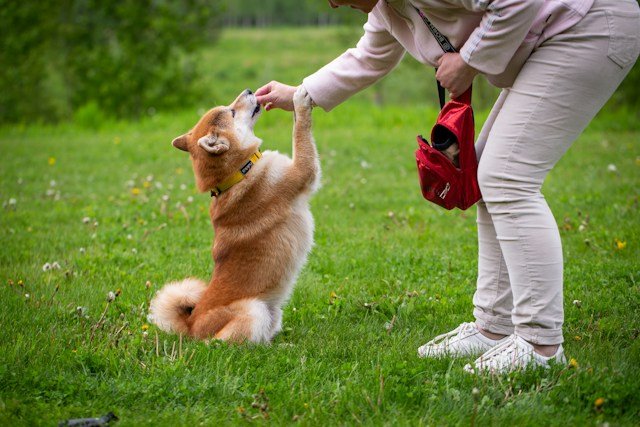
Introduction
Dog training is about far more than teaching a dog to sit, stay, or come when called. Successful trainers help build strong relationships between dogs and their owners by improving communication, encouraging positive behaviors, and addressing challenges in a safe and effective way. As the demand for professional dog trainers continues to grow, aspiring trainers need a diverse set of skills that extend beyond basic obedience techniques.
The best dog trainers combine technical knowledge with patience, empathy, and strong interpersonal abilities. They understand canine behavior, adapt their methods to individual dogs, and educate pet owners throughout the training process. Whether working with energetic puppies, rescue dogs, or dogs with behavioral issues, mastering certain core skills is essential for long-term success. Here are seven key skills every successful dog trainer should develop.
Understanding Canine Behavior
A deep understanding of canine behavior is the foundation of effective dog training. Trainers must recognize why dogs behave the way they do and how factors such as breed characteristics, age, environment, and past experiences influence their actions.
By learning to interpret body language, trainers can identify signs of stress, fear, excitement, or aggression before they escalate into problems. Recognizing subtle cues such as tail position, ear movement, posture, and facial expressions helps trainers tailor their approach to each dog.
A strong grasp of canine psychology also allows trainers to address unwanted behaviors at their root cause rather than simply managing symptoms. This knowledge leads to more sustainable and humane training outcomes.
Effective Communication Skills
Training is not just about communicating with dogs. Trainers must also communicate clearly with dog owners, who play a critical role in maintaining consistent behaviors outside training sessions.
Successful trainers explain techniques in simple, easy-to-understand language. They provide clear instructions, set realistic expectations, and offer constructive feedback without overwhelming clients.
Strong communication helps build trust and confidence. When owners understand the reasoning behind training methods, they are more likely to follow through with exercises at home. This consistency often determines whether a training program succeeds or fails.
Patience and Emotional Control
Every dog learns at a different pace. Some pick up commands quickly, while others may require repeated practice and gradual progress. For this reason, patience is one of the most important traits a dog trainer can possess.
Dogs can become distracted, stubborn, fearful, or overstimulated during training sessions. Reacting with frustration can negatively affect the dog’s confidence and willingness to learn. Successful trainers remain calm, encouraging, and supportive even when progress seems slow.
Emotional control is equally valuable when working with anxious owners or challenging situations. Maintaining a positive attitude helps create a productive learning environment for both dogs and their handlers.
Mastery of Positive Reinforcement Techniques
Modern dog training emphasizes positive reinforcement as one of the most effective and humane methods for teaching desired behaviors. Trainers should understand how to use rewards strategically to encourage learning and build motivation.
Positive reinforcement may include treats, toys, praise, playtime, or other rewards that are meaningful to the dog. Timing is particularly important, as rewards must be delivered immediately after the desired behavior occurs.
Skilled trainers know how to adjust rewards based on a dog's personality and learning style. They also understand how to gradually reduce dependency on treats while maintaining reliable behavior through consistency and reinforcement schedules.
Observation and Problem-Solving Abilities
No two dogs are exactly alike. What works for one dog may not work for another. Effective trainers are keen observers who analyze behavior patterns and identify obstacles that may be affecting progress.
Observation skills help trainers detect environmental triggers, inconsistencies in handling, or stress factors that may contribute to unwanted behavior. Once the root issue is identified, trainers can develop customized solutions that suit the dog's specific needs.
Problem-solving is especially important when dealing with behavioral challenges such as excessive barking, separation anxiety, leash pulling, or fear-based reactions. Creative and adaptable thinking allows trainers to adjust techniques and overcome training barriers effectively.
Commitment to Continuous Learning
The field of dog training continues to evolve as researchers gain new insights into canine behavior and learning science. Successful trainers understand the importance of staying updated with industry developments.
Continuing education helps trainers refine their techniques, learn emerging best practices, and better serve clients. Many professionals attend workshops, seminars, conferences, and specialized courses to expand their knowledge. Some even pursue a dog training certification online to strengthen their credentials and gain access to structured educational resources.
A commitment to lifelong learning demonstrates professionalism and ensures trainers remain effective in an ever-changing industry.
Relationship-Building and Client Management
A dog trainer's success often depends on their ability to build strong relationships with both dogs and their owners. Clients are more likely to remain engaged when they feel supported, respected, and understood.
Building rapport involves listening to client concerns, understanding their goals, and creating personalized training plans. Trainers who show empathy and professionalism foster trust, which encourages greater participation and collaboration.
Strong client management skills also contribute to business growth. Satisfied clients often leave positive reviews, refer friends and family, and return for additional training services, creating a solid reputation within the community.
Conclusion
Becoming a successful dog trainer requires a combination of technical expertise, personal qualities, and a dedication to continuous improvement. Understanding canine behavior, communicating effectively, exercising patience, using positive reinforcement, solving behavioral challenges, pursuing ongoing education, and building strong client relationships all contribute to professional success.
By mastering these essential skills, trainers can help dogs reach their full potential while strengthening the bond between pets and their owners. The result is a rewarding career dedicated to improving the lives of both dogs and the people who love them.
Tags : .....