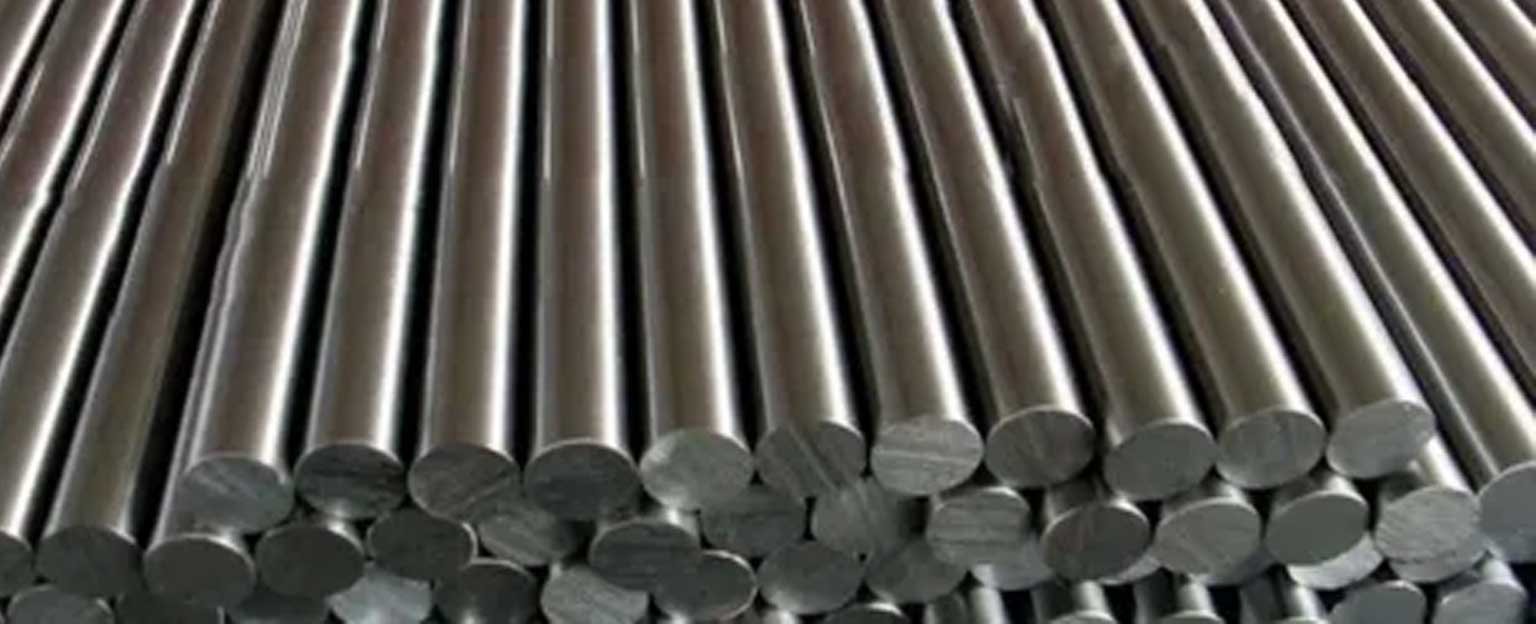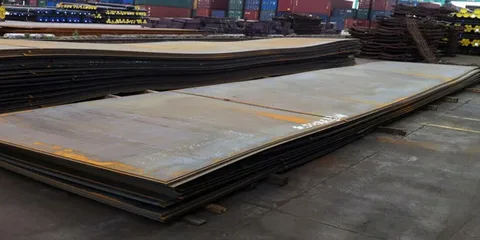
Cement plants process clinker, limestone, coal, and raw materials constantly. These abrasive bulk solids accelerate equipment degradation rapidly during production. Plant engineers specify Abrasion Resistant Rockhard 400 Plates to combat this rapid metal loss. Hardened steel improves component service life. Constant part replacements drain budgets and steal labor hours. High-hardness steel structural barriers reduce the need for localized repairs.
What Are Rockhard 400 Plates?
Specific quenching and tempering processes yield steel with a nominal hardness around 400 HB. The product specification determines the final rating. Soft metal fails quickly in abrasive environments. Hardness dictates how a surface withstands sliding and gouging from jagged rocks.
Rockhard 400 steel plates prevent sharp particles from cutting into the base structure. Buyers must verify the chemical composition, mechanical properties, and tested hardness against the manufacturer data sheet. Availability and thickness tolerances vary between mills. Carbon and manganese deliver core strength, while alloying elements refine the grain structure.
Why Is Wear Resistance Important in Cement Plants?
Cement manufacturing requires continuous material handling from the quarry to the bagging station. Facilities constantly transport raw limestone, gypsum, aggregates, and coal. Every transfer point experiences extreme friction.
Sliding bulk materials, heavy impact hits, and restricted flow cause rapid surface degradation on standard carbon steel. Rockhard 400 Plates absorb these forces without compromising the underlying equipment. Equipment failure halts production immediately.
Key Properties of Rockhard 400 Plates
A 400 HB hardness rating resists material loss caused by sharp particles scraping along the surface. Plant managers install this steel in their highest-wear areas to maximise run time. The targeted hardness provides a practical balance between extreme wear resistance and manageable workshop formability. Formability allows fabricators to create complex replacement parts.
When equipment takes heavy impact from falling rocks, toughness matters just as much as surface hardness. Rockhard 400 Wear Plates handle severe kinetic energy drops without fracturing. Brittle steel shatters under load. Impact performance relies heavily on the specific grade, plate thickness, operating temperature, and local conditions.
Heavy mechanical loads require both surface protection and baseline structural strength. Wear-resistant steel supports longer component service life when maintenance teams select correct thickness specifications.
Cement Plant Applications of Rockhard 400 Wear Plates
Elevated belt drops subject chutes and hoppers to continuous material flow and direct impact loads. Protective steel layers shield high-contact areas from structural thinning. A bare mild steel chute handles clinker for only weeks before holes appear.
Conveyor systems require durable transfer chutes, protective skirt liners, and robust loading points. Abrasion Resistant Rockhard 400 Plates line these material transfer sections to prevent premature structural failure. The heavy plates absorb constant sliding abrasion from crushed rock moving at high belt speeds.
Inside the crushing chamber, selected protective liners absorb sheer impact force from the spinning rotor. Component selection heavily depends on the balance between blunt impact strikes and sliding abrasion. Wrong grades fail fast.
Cement mills and grinding areas process highly abrasive raw meal and sharp clinker. Operators bolt Rockhard 400 Steel Plates into wear-prone internal sections. These protective components stop abrasive powder from eroding the main structural mill housing.
Storage bins and feed hoppers hold thousands of tons of moving material. Continuous shifting causes steady friction along the interior vertical walls. Heavy steel liners protect the structural integrity of these large vessels.
Material feeders demand rugged liners across their primary impact zones right below loading gates. Scrapers and other fabricated wear components face repeated daily abrasion against conveyor belts. Maintenance crews replace these parts less frequently when using hardened steel.
How to Select the Right Rockhard 400 Plate
Engineers must identify the exact primary wear mechanism first. A plant must evaluate specific material size, moisture content, shape, and drop height before ordering steel. Blindly ordering hard plates wastes budget.
Selecting the correct plate thickness determines total predictable wear life. Steel mills supply Rockhard 400 Plates in various dimensions to match specific operating conditions and payloads. Fabrication requirements also determines the final material choice for complex geometries. Installers verify mill certification and true hardness test results before workshop cutting begins.
Fabrication Considerations for Rockhard 400 Steel Plates Cutting and machining hardened steel demands more workshop effort than working with mild steel. Fabrication shops must utilize suitable cutting tools, exact feed rates, and correct speed parameters to avoid tool breakage. Heat affects the steel temper. Plasma or laser cutting yields clean edges while minimizing the heat-affected zone.
Before cold forming begins, operators select the bending radius according to the exact plate thickness and strict manufacturer recommendations. Cold forming requires significantly higher tonnage from the press brake. Rockhard 400 Wear Plates demand appropriate low-hydrogen welding consumables and controlled preheating procedures. Shops follow supplier guidelines rigidly to prevent hydrogen-induced cold cracking.
Conclusion
The 400 HB hardness rating delivers necessary abrasion resistance, practical durability, and strong impact-handling capabilities for heavy industry. Cement plants rely on this specific steel for chutes, hoppers, conveyors, crushers, bins, and feeders handling raw abrasive materials.
Engineers achieve equipment reliability only by matching correct plate thickness to the specific wear mechanism and local operating conditions. Following proper workshop fabrication methods ensures the final bolted component survives the demanding cement plant environment for its full lifecycle.
Tags : Rockhard 400 Plates